
July 11, 2026 at 02:01 PM 2 min readindiadeveloping
Kashmir Extends Academic Content Audit to Colleges and Libraries
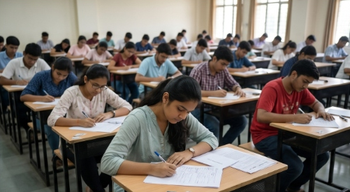
Expanding Academic Scrutiny:
Authorities in Kashmir have broadened the scope of their academic content audit, moving beyond schools to include colleges, universities, and public libraries. This administrative move aims to review literature and educational material to ensure compliance with current standards. The audit is part of a wider effort to monitor the flow of information within educational institutions, following concerns about the nature of content available to students. Officials have not provided a specific list of prohibited materials but emphasized the goal is to align institutional resources with national educational policies.
Rationale Behind the Audit:
The administration cites the need to regulate material that may influence the pedagogical environment in a sensitive region. Previous reviews primarily targeted primary and secondary school curricula, but this expansion reflects a push to monitor higher education resources and research libraries. The policy shift has been met with varied responses, as educators and library managers express concerns over the potential impact on academic freedom and the availability of diverse viewpoints for students at the university level.
Future Impact on Institutions:
The integration of this audit process across higher education will likely involve systematic screening of books, journals, and digital archives available to the public and students. Institutions are expected to cooperate by providing access to their catalogues and internal collections. As the audit progresses, university administrations will need to navigate the balance between regulatory compliance and the preservation of academic research standards. This ongoing process highlights the government's focus on centralized control of educational content as a means to maintain stability and align academic discourse with official guidelines.
Pulse Intelligence
AI AnalysisContext & Background
- The region has previously undergone curriculum reviews in primary and secondary schools to remove material deemed controversial.
- Higher education institutions in Kashmir serve as critical centers for academic debate and have recently faced increased administrative oversight.
Key Consequences
- Librarians and faculty members in Kashmir may face increased workload due to the mandatory cataloguing and review of their collections.
- The audit could lead to the removal of certain political or historical texts from academic libraries, affecting research capabilities.
- Students may experience a shift in the availability of diverse reading material, which could impact the quality of academic research.
Market & Economic Impact
No direct market impact.