
June 27, 2026 at 02:06 PM 2 min readindiadeveloping
Karnataka CM Urges Stricter Tax Enforcement to Bolster GST Collections
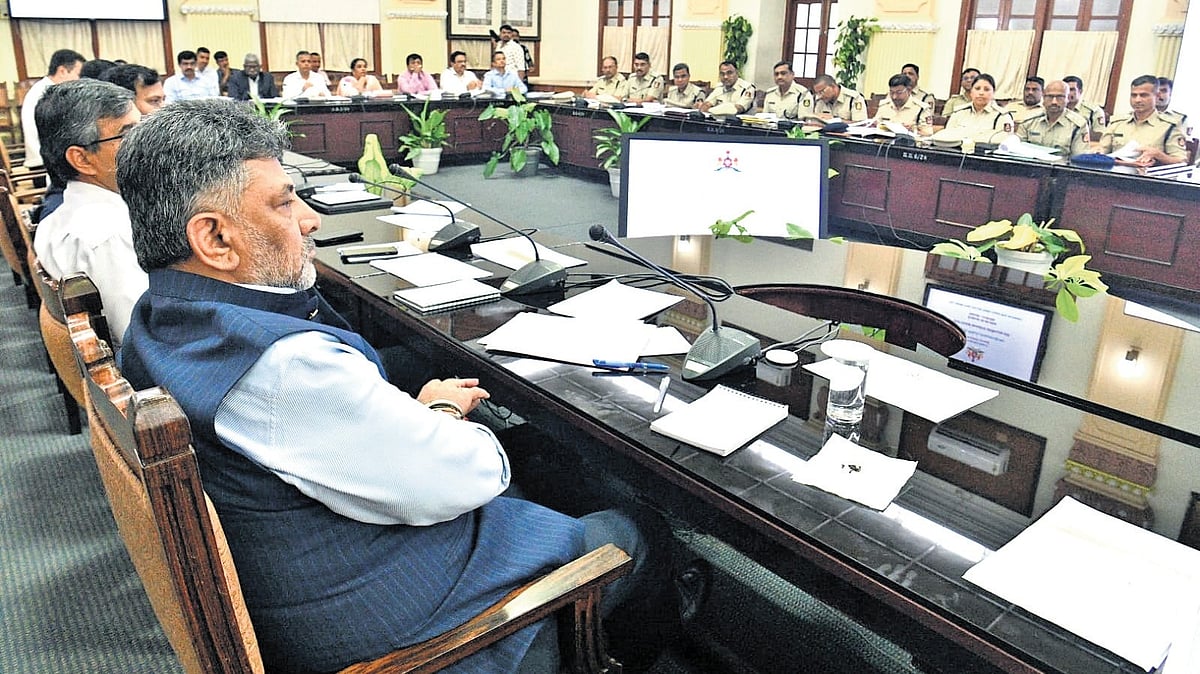
Tax Compliance Directive:
Karnataka's Chief Minister has issued a directive to state officials, emphasizing the need for a rigorous crackdown on tax evasion to improve Goods and Services Tax (GST) collections. The government aims to plug revenue leakages through enhanced enforcement and more efficient data-driven monitoring of commercial transactions across the state.
Revenue Mobilization Focus:
This push for higher compliance follows a state-wide review aimed at maximizing fiscal revenue to support ongoing infrastructure and social welfare programs. Strengthening GST collection is a central pillar of the state's budget management strategy, as Karnataka continues to face competing demands for capital expenditure and development initiatives that require stable, robust tax inflows.
Broader Fiscal Strategy:
The focus on tax enforcement is part of a larger national conversation regarding the efficiency of India's tax frameworks. As officials refine their strategies to meet ambitious revenue targets, there is an increased emphasis on using technology to track evasion while also maintaining a business-friendly environment that encourages consistent tax compliance among registered traders and large corporate entities.
Pulse Intelligence
AI AnalysisContext & Background
- Karnataka remains one of India's highest GST-contributing states, making revenue efficiency critical for state planning.
- The central government has periodically pressed states to optimize their GST revenue collection efficiency.
- Prior fiscal years saw fluctuations in state revenue, highlighting the need for improved tax administration.
Key Consequences
- Enhanced enforcement is expected to lead to a noticeable increase in monthly GST revenue for Karnataka.
- Business owners may face more frequent audits and compliance checks as the state intensifies its anti-evasion efforts.
- Increased tax revenues will likely provide the state with greater flexibility for development spending.
Market & Economic Impact
No direct market impact.