
June 8, 2026 at 06:00 PM 2 min readworlddeveloping
Iran Asserts New Military Doctrine as Netanyahu Warns of Forceful Response
[Ceasefire and Deterrence Warnings]:
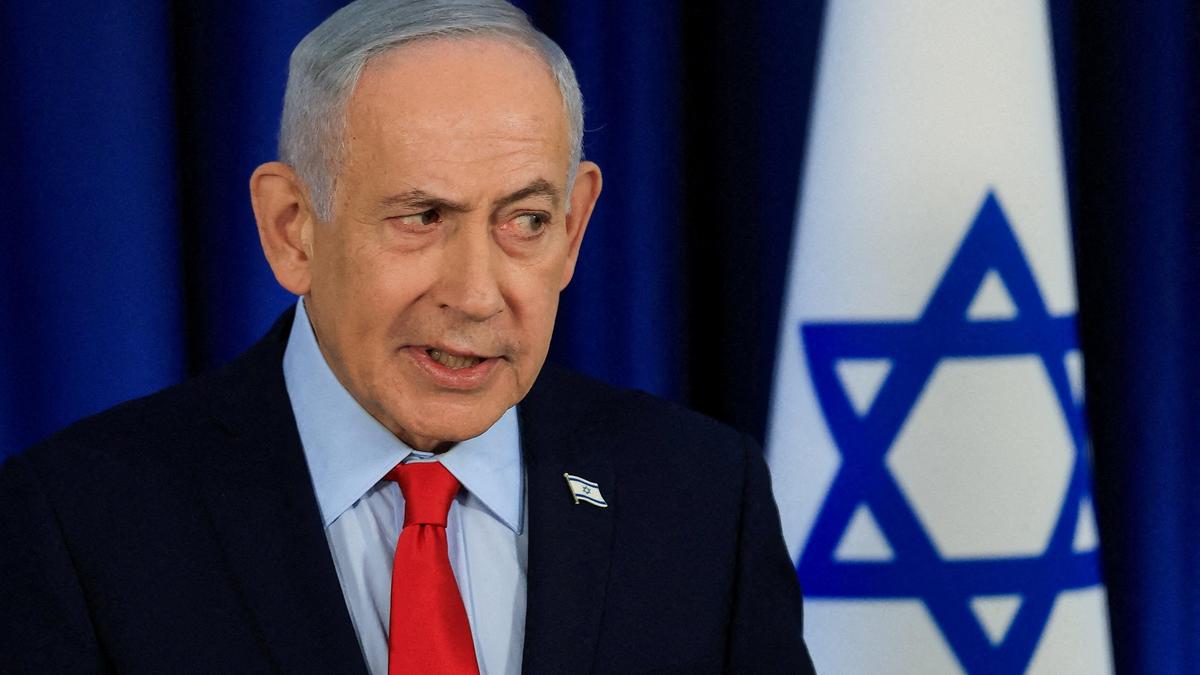
Israel and Iran have entered a tentative halt in direct military hostilities, marked by a major strategic shift in Tehran's regional defense doctrine. Israeli Prime Minister Benjamin Netanyahu officially confirmed the cessation of direct fighting, asserting that Israel successfully struck targets in Tehran, but he explicitly warned of an immediate, forceful response if Iranian forces resume attacks. This tentative truce follows a series of highly volatile military exchanges triggered by Israeli operations in Beirut, which pushed the long-running regional conflict to a critical breaking point and threatened a wider regional war.
[Tehran's New Strategic Doctrine]:
Iranian military commanders and regional analysts report that Tehran has permanently altered its security paradigm, transitioning from its traditional reliance on regional proxy networks to deploying direct domestic firepower to protect its allies. Iranian officials hailed this shift as a new "strategic doctrine" that prioritizes taking the initiative and projecting direct offensive power. This transition from a proxy-based shadow war to direct state-on-state confrontation aims to establish a robust deterrent against Israeli operations in Lebanon and prevent the complete degradation of its regional alliance network.
[Implications for Global Trade]:
The fragile cessation of hostilities provides a temporary reprieve, yet the underlying geopolitical tensions remain unresolved with both nations maintaining maximum military readiness. For India, this persistent instability in West Asia carries severe strategic implications, threatening crucial crude oil imports, disrupting maritime trade routes, and endangering the vast Indian workforce residing across the Gulf region. New Delhi continues to monitor the situation closely, recognizing that any subsequent escalatory cycle will immediately impact domestic energy pricing, inflationary pressures, and maritime freight logistics. Indian diplomacy is tasked with balancing relationships with both nations while preparing contingency evacuation plans and alternative trade routes to safeguard its economic interests should direct conflict resume.
Pulse Intelligence
AI AnalysisContext & Background
- Israel previously executed a series of targeted airstrikes in Beirut targeting high-profile commanders.
- Iran responded with direct missile and drone barrages launched from its own territory.
- International diplomatic efforts had struggled to secure a lasting ceasefire due to deep-seated mistrust between both nations.
Key Consequences
- Israel will maintain a heightened state of alert, ready to launch retaliatory strikes at the first sign of Iranian movement.
- Iran will continue to fortify its defense systems while maintaining direct military backing for regional allies.
- Global oil prices are expected to remain volatile as traders price in the risk of a sudden resumption of direct hostilities.
Market & Economic Impact
No direct market impact, but global oil price volatility risks increasing input costs for Indian public sector oil marketing companies.