
July 14, 2026 at 12:33 PM 2 min readworldbreaking
Israel Announces National Elections For October 2026
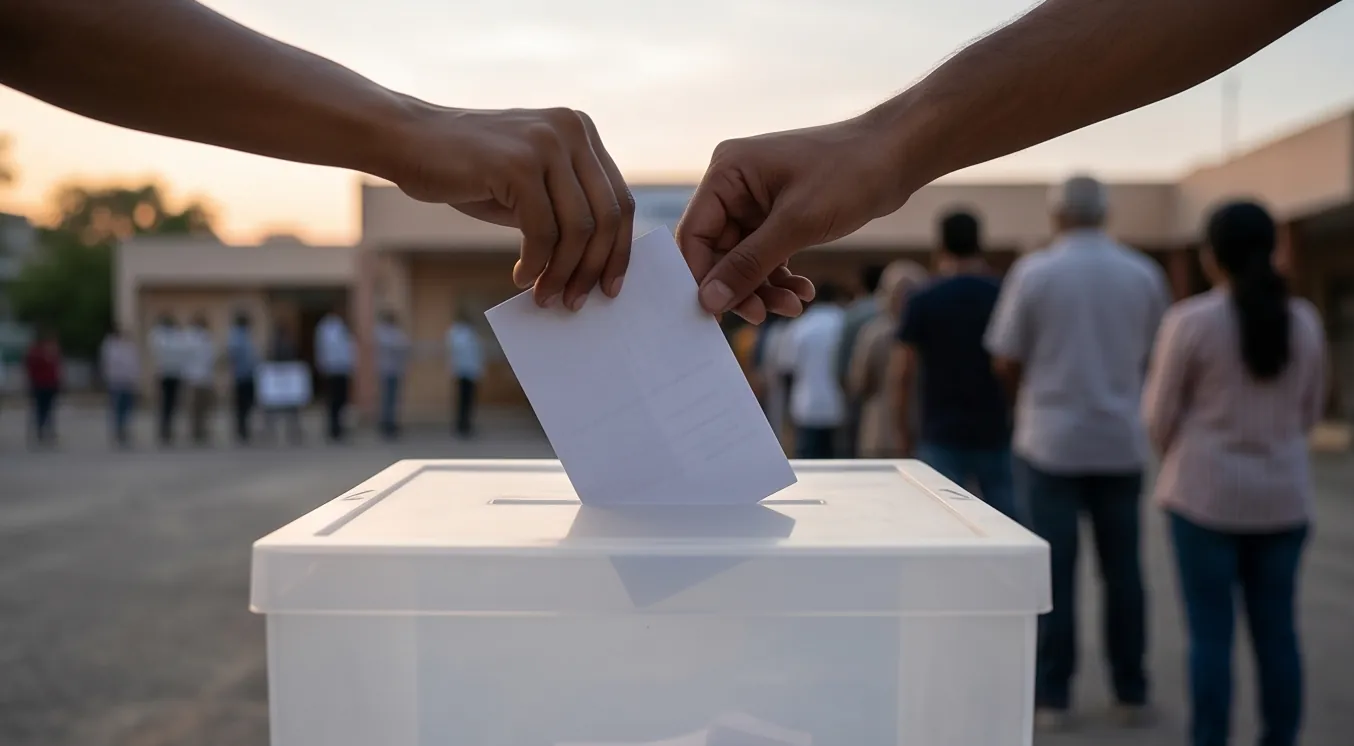
Israel Election Call:
Israel's government has officially scheduled national elections for October 2026 following a period of intense domestic political volatility. Lawmakers finalized the date after weeks of legislative gridlock and shifting coalition dynamics necessitated a return to the polls. Prime Minister Benjamin Netanyahu confirmed the timeline during a parliamentary address, emphasizing the need for a fresh mandate to address the country's pressing internal security and economic challenges.
Political Climate Factors:
The decision follows months of sustained public demonstrations and internal cabinet disagreements regarding the national budget and regional defense strategies. Political analysts note that the current coalition struggled to maintain consensus on critical legislative reforms, ultimately leading to the dissolution of parliament. The timing aligns with the constitutional requirement to seek voter approval following the breakdown of existing party alliances and the failure of recent emergency budget negotiations.
Impact and Future Implications:
The upcoming election cycle is expected to significantly influence Israel's foreign policy trajectory and its ongoing regional diplomatic engagements. For India, the transition represents a critical period of watching, as New Delhi maintains strong bilateral ties with Israel across defense, agricultural, and technological sectors. Observers anticipate that all major Israeli political parties will focus heavily on national security and economic stability in their platforms, potentially delaying significant new international agreements until the formation of the next governing administration.
Pulse Intelligence
AI AnalysisContext & Background
- The Israeli coalition government faced severe internal divisions over the past twelve months concerning budgetary allocations.
- Persistent public protests across major Israeli cities have created sustained pressure on the current administration to seek a new mandate.
Key Consequences
- The political transition period will likely result in a temporary slowdown of major government-led international investment initiatives.
- Israel's legislative agenda remains stalled until the completion of the electoral process and the subsequent formation of a new cabinet.
- Indian diplomatic representatives will likely maintain neutrality while monitoring the election campaigns for potential shifts in long-term strategic policy.
Market & Economic Impact
Financial markets expect short-term volatility in the Shekel and local stock indices as investors react to election uncertainty.