
July 2, 2026 at 07:12 AM 2 min readtechdeveloping
Apple iPhone 18 Pro Modems: Qualcomm and Internal Chips Split
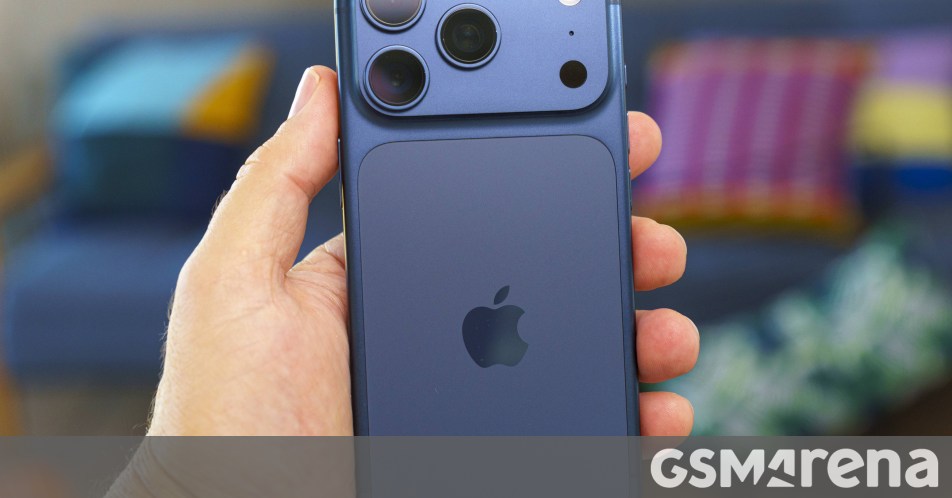
Dual Modem Strategy:
Apple’s upcoming iPhone 18 Pro and iPhone 18 Pro Max will feature a segmented modem strategy, incorporating both Qualcomm hardware and internally developed chips. Leaked schematics and documents, reportedly sourced from a cyberattack on a supplier, indicate that the decision hinges on technical limitations regarding mmWave 5G support. The iPhone 18 Pro models sold within the US market will continue to rely on Qualcomm modems, as Apple’s proprietary C2 modem technology reportedly does not yet support the high-frequency mmWave spectrum required by US carriers.
Apple's Internal Modem Push:
Models sold in international markets will shift to Apple’s in-house C2 modem technology. This transition marks the latest step in Apple's long-term roadmap to reduce reliance on third-party silicon suppliers for critical connectivity components. Current devices like the iPhone 17e and iPhone Air have already begun incorporating Apple’s own connectivity hardware. By deploying their own modems globally, Apple aims to improve power efficiency and system integration while regaining greater control over the hardware ecosystem that powers its flagship handheld devices.
Technological and Competitive Hurdles:
The reliance on Qualcomm for the US market suggests that achieving the performance requirements for 5G connectivity across global carrier networks remains a significant engineering challenge. As Apple continues to iterate its internal modem projects, the company must balance the technical demand for mmWave performance with the strategic imperative to achieve total vertical integration. The move signals a transition period where Apple is testing its custom silicon in widespread, real-world conditions outside the US before a potential total move away from third-party modem hardware in future product generations.
Pulse Intelligence
AI AnalysisContext & Background
- Apple has been actively developing its own cellular modem technology for years to eventually replace Qualcomm chips in all iPhone models.
- Previous reports confirmed that Apple's recent iPhone 17 series began incorporating limited deployments of internal modem hardware.
Key Consequences
- Apple will continue its dependence on Qualcomm for US-based devices until its proprietary modems meet mmWave 5G standards.
- Increased global usage of Apple’s C2 modem will provide the data necessary for future hardware and software refinements.
Market & Economic Impact
No direct market impact.