
June 23, 2026 at 03:16 PM 2 min readworlddeveloping
Interstellar Comet 3I/ATLAS May Be Oldest Object in Solar System
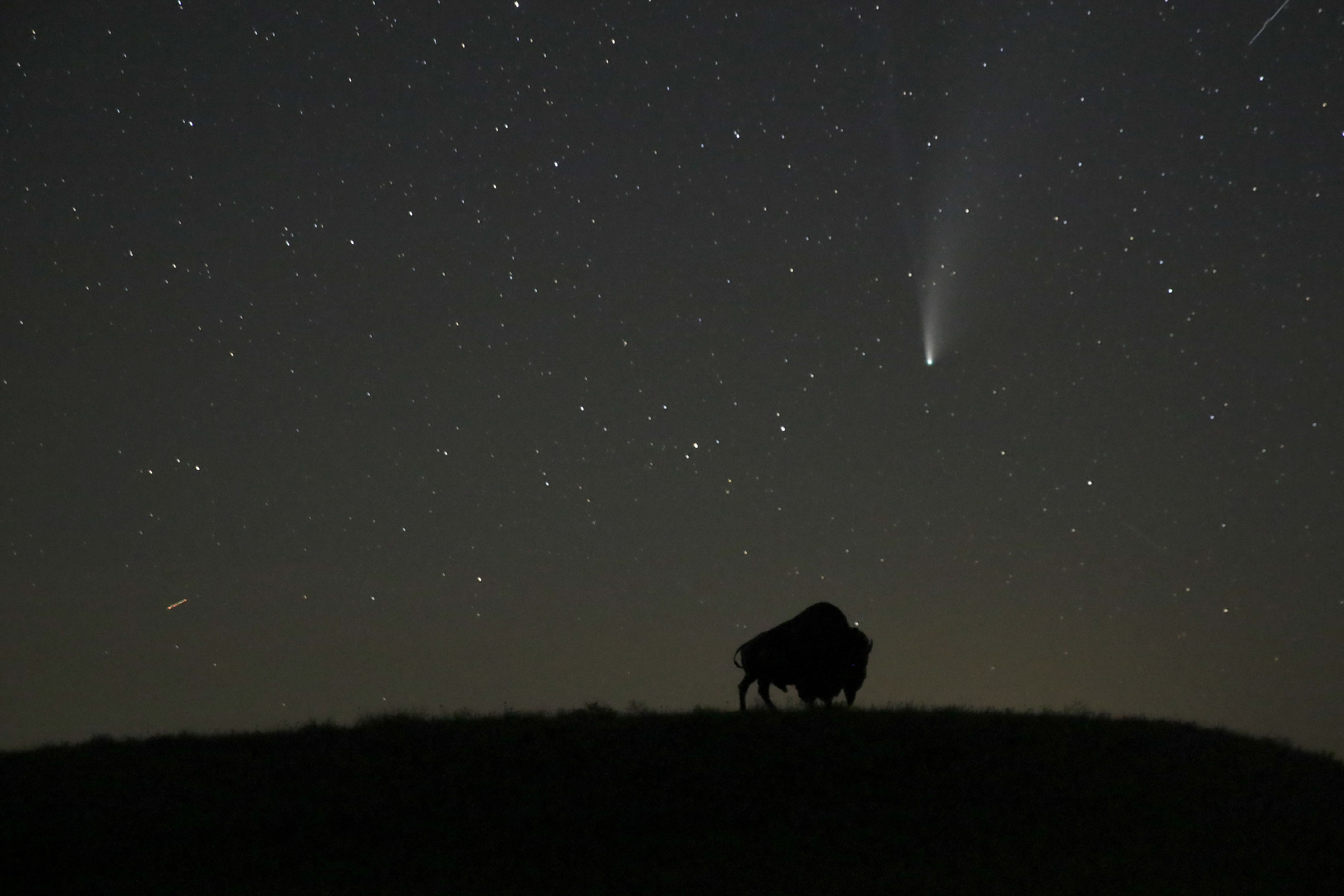
Oldest Cosmic Visitor:
Astronomers have identified the interstellar comet 3I/ATLAS as potentially the oldest object ever observed within our solar system, with age estimates reaching 12 billion years. This age significantly surpasses the 4.5-billion-year lifespan of our own solar system. Observed by the James Webb space telescope and the ALMA observatory, the comet's unique isotopic composition confirms its origins from outside our immediate cosmic neighborhood.
Chemical Composition:
Data analysis reveals that 3I/ATLAS contains 30 times more deuterium than comets originating within our solar system, indicating it formed in a significantly colder environment near -243 degrees Celsius. This chemical signature, combined with a strange lack of chemical enrichment, suggests that the comet originated near the time of the era known as 'cosmic noon' roughly 10 billion years ago, when star formation in the Milky Way was at its peak.
Significance for Science:
While NASA has confirmed the object is a natural astrophysical body—dismissing speculation of artificial origins—the discovery provides a rare window into the early history of the galaxy. As 3I/ATLAS is currently exiting our solar system and will never return, researchers are turning their focus to future detections made possible by the upcoming Vera C. Rubin Observatory in Chile, which is expected to identify many more interstellar visitors.
Pulse Intelligence
AI AnalysisContext & Background
- Interstellar objects 1I/'Oumuamua and 2I/Borisov were discovered in 2017 and 2019 respectively.
- Harvard researcher Avi Loeb had previously sparked public debate by suggesting the 'Oumuamua comet could be an alien spacecraft.
Key Consequences
- The detailed isotopic analysis of 3I/ATLAS provides a new template for scientists to study future interstellar objects.
- The anticipated data from the Vera C. Rubin Observatory is expected to significantly increase the frequency of interstellar discovery announcements.
- Future missions will likely prioritize tracking early-interstellar comets to better understand the 'cosmic noon' era of star formation.
Market & Economic Impact
No direct market impact.