
June 5, 2026 at 12:32 AM 2 min readindiadeveloping
India Fast-Tracks Global Trade Deals With Post-Election Push For Six Free Trade Agreements
Bilateral Trade Progress:
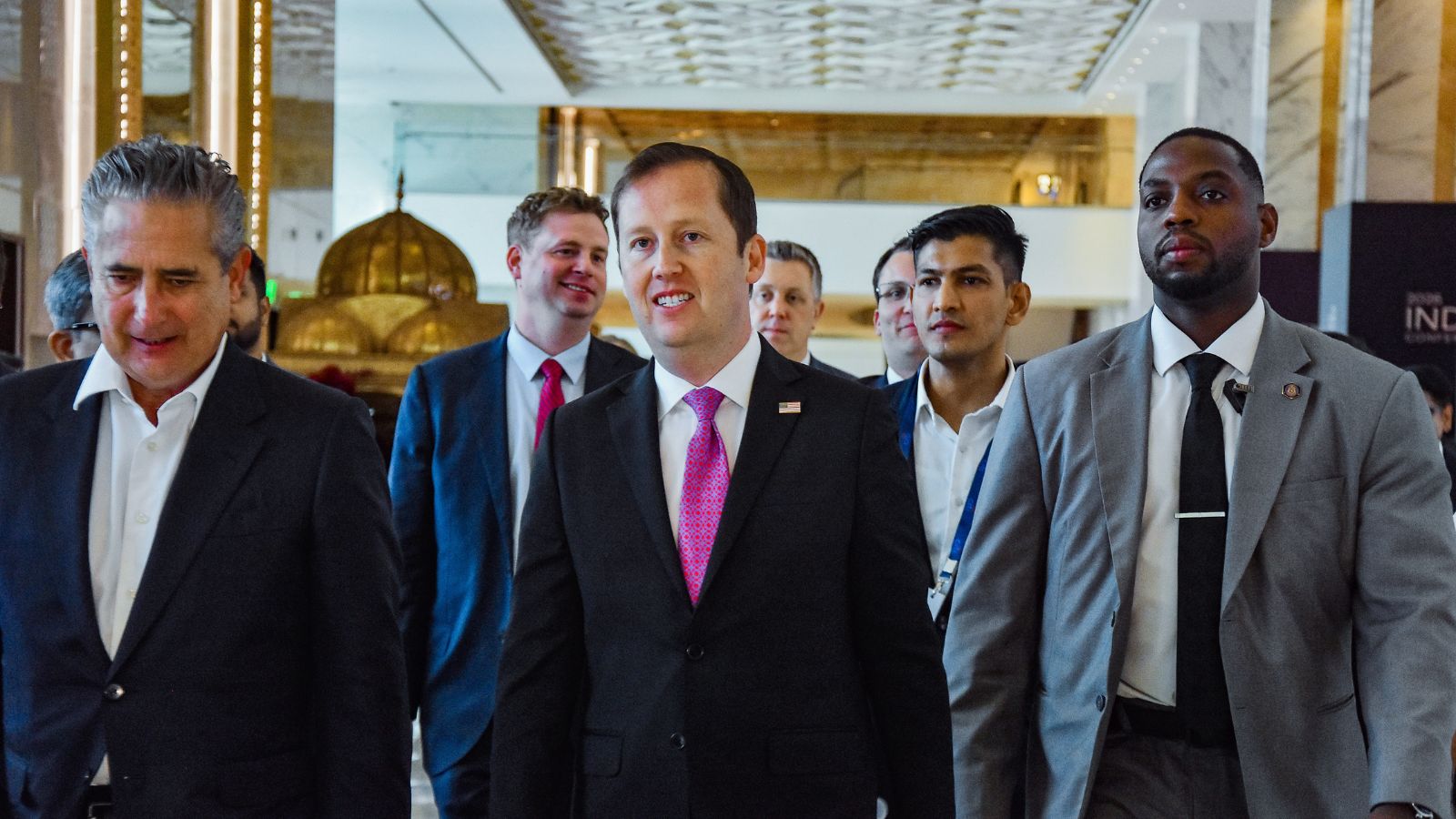
India and the United States have reaffirmed their commitment to finalizing a comprehensive bilateral trade agreement, with negotiators describing the current talks as nearly complete, with only minor technical details remaining. During recent high-level trade discussions in New Delhi, officials from both nations expanded their focus beyond physical merchandise to address non-tariff measures, customs procedures, trade facilitation, and alignment on economic security. This occurs alongside Union Commerce Minister Piyush Goyal's announcement that India plans to operationalize six to seven Free Trade Agreements (FTAs) by 2027 to accelerate global trade integration.
Supply Chain Diversification:
The acceleration in trade negotiations is driven by India's strategic push to establish itself as a key global supply chain hub and reduce its reliance on single-country import sources. Historically, India-US trade relations have been complex, marked by disagreements over tariffs and market access, but rising geopolitical tensions have prompted both nations to seek closer economic alignment. To support this export-led growth, India is aggressively pursuing multiple bilateral deals, planning to make nine recently concluded trade pacts operational and activate two to three FTAs within the next six months.
Global Export Outlook:
The finalization of the India-US trade framework and the rollout of new FTAs are expected to significantly boost India's export sectors, particularly in pharmaceuticals, technology, and agriculture. Global businesses are closely watching how the US will balance these bilateral negotiations with its broader tariff policies, as US trade officials have signaled that existing capped tariff agreements with key partners will be respected. In India, these agreements are anticipated to enhance market access, lower transactional barriers, and drive domestic manufacturing growth under the "Make in India" initiative.
Pulse Intelligence
AI AnalysisContext & Background
- India and the United States have historically faced trade frictions, particularly over agricultural tariffs, medical devices, and intellectual property protection.
- The Indian government has shifted its trade policy focus from multi-nation blocks to bilateral agreements to boost manufacturing and domestic exports.
- Previous US tariff policies under the Trump administration resulted in the withdrawal of India's Generalised System of Preferences benefits.
Key Consequences
- The operationalization of multiple FTAs by 2027 will likely reduce import barriers on critical raw materials and boost domestic manufacturing.
- Closer alignment with the US on customs and non-tariff measures will streamline supply chains for Indian exporters.
- Increased trade cooperation with Western economies could enhance India's economic security against unilateral geopolitical trade restrictions.
Market & Economic Impact
Trade facilitation and new FTA rollouts are expected to positively impact Indian export-oriented sectors like pharmaceuticals, textiles, and information technology.