
July 4, 2026 at 03:34 PM 2 min readindiadeveloping
India Targets 15% Isobutanol Blend in Diesel to Reduce Imports
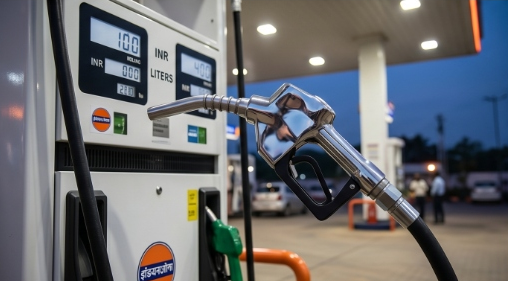
Biofuel Policy Expansion:
The Indian government is actively exploring the integration of a 15% isobutanol blend into diesel fuel, a strategic shift aimed at curtailing the nation’s dependence on crude oil imports. Union Minister Nitin Gadkari confirmed the government is laying the groundwork for this biofuel push, which follows the successful nationwide rollout of E20 ethanol-blended petrol. The initiative is currently in its initial phase, with pilot trials for a 2% isobutanol-diesel blend underway to assess performance and viability.
Strategic Rationale:
This policy move builds upon the broader national mission to transition towards sustainable, domestically produced biofuels. With India's high reliance on energy imports, diversifying the fuel mix is critical for long-term fiscal stability and energy security. Isobutanol is recognized for its higher energy density compared to ethanol, making it a compelling alternative for heavy-duty engines that primarily run on diesel. The shift also aligns with the government’s stated goals of reducing the carbon footprint of the transportation sector.
Future Outlook and Safety:
As the government evaluates the feasibility of these blends, industry stakeholders remain focused on the technical readiness of vehicles to handle higher biofuel concentrations. Experts have consistently reassured consumers that modern vehicles are capable of adapting to new fuel standards, citing extensive testing and safety protocols. Should the trials prove successful, a widespread implementation could fundamentally alter India’s energy import bill. The next critical step will involve the scaling of infrastructure to support consistent supply and nationwide blending mandates.
Pulse Intelligence
AI AnalysisContext & Background
- India previously achieved a major milestone by rolling out E20 petrol, a blend of 20% ethanol with gasoline.
- The government has been consistently promoting biofuels as a mechanism to lower the national oil import burden and achieve net-zero targets.
Key Consequences
- Domestic biofuel producers could see a significant surge in demand if the 15% blending mandate reaches commercial scale.
- Reduction in crude oil imports would likely have a positive impact on India's trade balance and foreign exchange reserves.
- Automotive manufacturers may need to adjust engine calibration standards to ensure full compatibility with isobutanol-blended diesel.
Market & Economic Impact
Oil marketing companies and renewable energy firms may experience stock appreciation as policy clarity on biofuels emerges.