
June 30, 2026 at 02:03 PM 2 min readworlddeveloping
India Bolsters Strategic Oil Reserves Amid West Asia Tensions
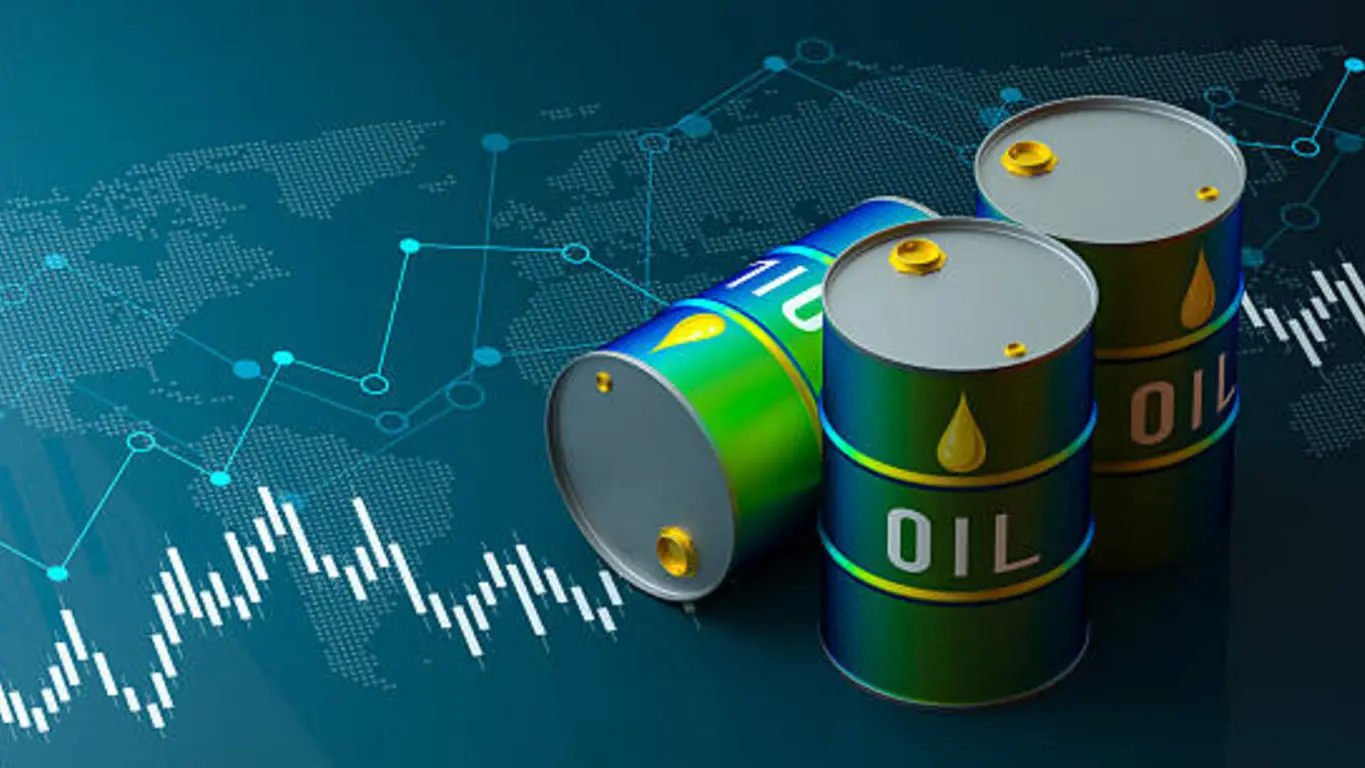
Strategic Fuel Reserve Expansion:
India is proactively planning to increase its strategic oil reserves following heightened energy supply concerns stemming from recent geopolitical developments in West Asia. Government officials are prioritizing this move to safeguard against potential supply chain disruptions and volatile crude prices caused by the ongoing US-Iran diplomatic situation. With the rupee holding relatively steady at 94.25 per dollar, officials emphasize that energy diversification and the continuation of the Production Linked Incentive (PLI) schemes remain vital for maintaining economic resilience.
Geopolitical and Economic Context:
The current instability in the Strait of Hormuz has forced global markets to re-evaluate energy security models. India, as a major importer, is vulnerable to fluctuations in Brent and US WTI crude futures. Leaders from industry bodies like the Confederation of Indian Industry (CII) have highlighted the necessity of structural reforms to mitigate the risk of sudden price shocks. By accelerating the expansion of strategic storage, India seeks to buffer the domestic market against abrupt shifts in international oil politics.
Future Outlook and Economic Impact:
Diplomacy between global powers is currently helping to allay fears of immediate escalation, yet the market remains cautious. The federal government is likely to integrate more aggressive energy policies in its upcoming agenda to address the dependency on imported oil. Sustained focus on renewable energy and energy-efficient infrastructure is expected to be a focal point for long-term policy adjustments. Maintaining stable trade relations while securing alternative fuel sources is now the primary diplomatic and economic objective for the nation's energy department.
Pulse Intelligence
AI AnalysisContext & Background
- India relies heavily on crude oil imports, making it susceptible to global supply disruptions.
- The Strait of Hormuz remains a critical global chokepoint for oil transport, significantly impacting Indian import costs.
Key Consequences
- Increased fiscal allocation toward strategic petroleum reserve (SPR) infrastructure in the near term.
- Continued emphasis on long-term energy diversification policies to reduce dependency on volatile regions.
Market & Economic Impact
Stable currency performance, but oil import costs remain a key risk for the Indian fiscal deficit.