
July 13, 2026 at 03:02 AM 2 min readindiaanalysis
India’s Solar Energy Surge Outpaces Storage Infrastructure Growth
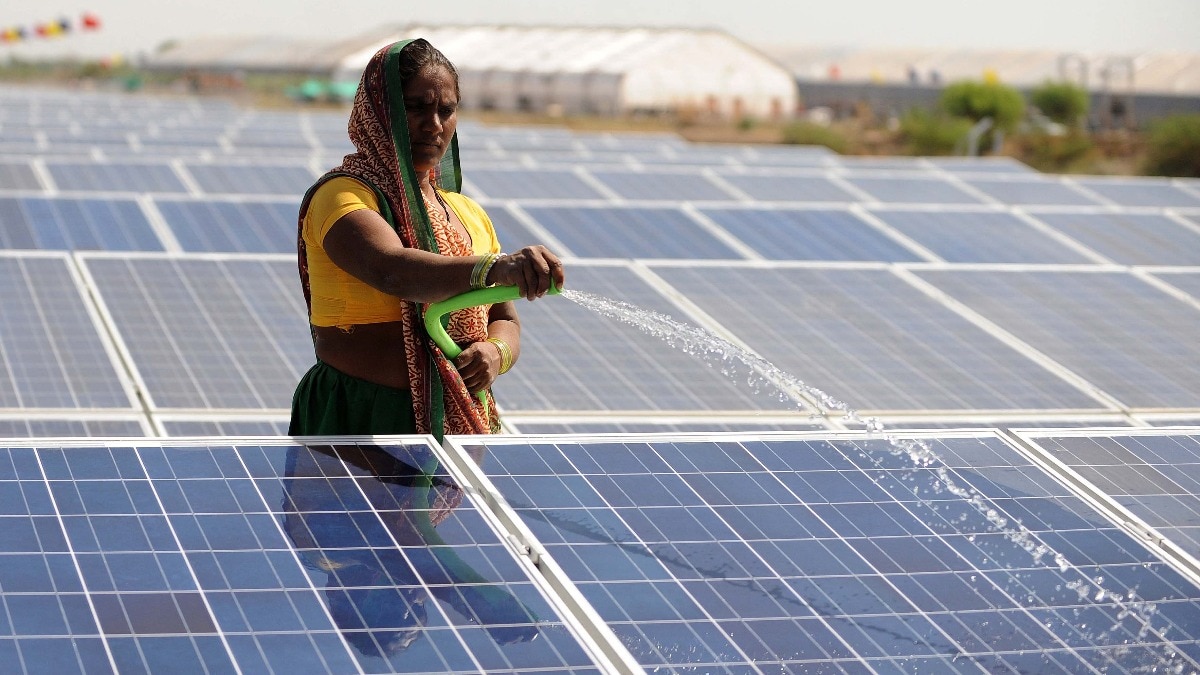
The Storage Gap:
India is currently navigating a paradoxical challenge in its green energy transition: an abundance of solar power during peak daylight hours that often goes unused due to inadequate battery energy storage systems (BESS). While the country has successfully pushed solar capacity to new heights, the inability to store and dispatch this power after sunset results in significant energy waste. Officials report that while storage capacity has now crossed the 7.5 GWh mark, the pipeline for future projects currently exceeds 140 GWh, indicating an urgent shift in infrastructure priority.
Root Causes:
This issue stems from the rapid, aggressive expansion of solar farms that operate at peak efficiency precisely when overall grid demand is lower or sufficiently met. Without high-capacity, cost-effective storage, this surplus electricity cannot be efficiently integrated into the grid for evening peak hours, forcing discoms to rely on traditional thermal power sources when solar production drops off at dusk. This pricing disparity between cheap, abundant noon energy and costly, scarce evening power represents a major hurdle for India’s net-zero transition goals.
Future Outlook:
Government officials, including Minister Shripad Naik, have highlighted the accelerating pipeline of storage projects as the key solution to this inefficiency. Moving forward, the focus will likely shift from purely generation-based capacity expansion to integrated generation-plus-storage models. Successfully operationalizing these 140 GWh of pipeline projects will be critical for stabilizing grid loads and ensuring that India's solar investment delivers consistent value throughout the day, rather than just during peak sunshine hours.
Pulse Intelligence
AI AnalysisContext & Background
- India's solar capacity has grown rapidly over the last decade, making it a cornerstone of the national renewable energy policy.
- The national grid has historically relied on coal-based generation to meet evening demand spikes, creating a challenge for renewable integration.
Key Consequences
- Rapid scaling of BESS projects will likely lower the cost of evening peak electricity over the next three to five years.
- Increased storage integration will reduce reliance on thermal power plants, significantly accelerating India's decarbonization efforts.
Market & Economic Impact
Significant investment opportunities are emerging in the renewable energy storage sector, likely attracting domestic and international infrastructure capital.