
July 10, 2026 at 04:36 AM 2 min readtechbreaking
India Scraps Import Duties on Key Electronics Components Through 2029
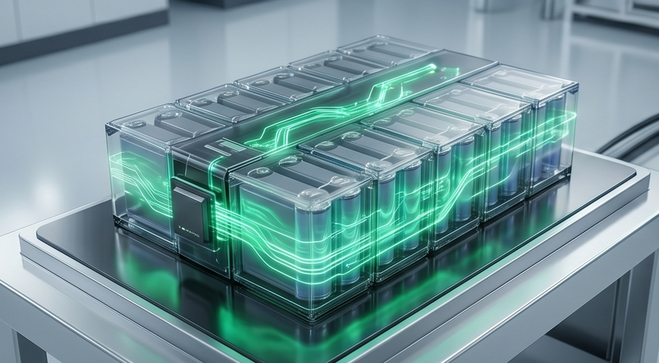
Duty Waiver Policy:
The Indian Union finance ministry has announced an immediate reduction in customs duties on 85 categories of capital goods and essential components to accelerate domestic manufacturing. Tariffs ranging from 5% to 7.5% have been eliminated for critical items, including lithium-ion cells, flexible printed circuit assemblies, and specialized wireless charging parts. Managed by the Central Board of Indirect Taxes and Customs, these exemptions remain effective until March 31, 2029, providing a stable, long-term framework for supply chain planning.
Strategic Growth Objectives:
This initiative is a cornerstone of India’s target to scale its electronics manufacturing sector to $500 billion by 2030. By reducing input costs for high-value components, the government aims to pivot from simple product assembly to deeper local value addition. This policy covers a wide array of goods used in automotive, medical, and consumer electronics, reflecting a rapid growth trend that saw national electronics output reach Rs 5.45 trillion in the 2024-25 fiscal year.
Economic Outlook:
Global tech giants are expected to benefit as they scale Indian assembly lines for both domestic and international markets. Analysts suggest that while recent foreign direct investment (FDI) has seen fluctuations, these reforms will attract fresh capital and enhance the cost competitiveness of locally assembled devices. By fostering an integrated ecosystem, India is positioning itself as a primary global hub for hardware production, potentially leading to lower consumer prices for smartphones and electric vehicles in the coming fiscal quarters.
Pulse Intelligence
AI AnalysisContext & Background
- The Indian government has been progressively reducing customs duties on sub-components to prioritize domestic value addition over imports.
- Electronics production in India has seen a massive 28-fold increase in value over the last decade, reaching 300 million units in 2024-25.
- Industry stakeholders have frequently identified high import duties on specialized components as a primary barrier to scaling local manufacturing.
Key Consequences
- Manufacturers of electric vehicles and consumer electronics are expected to see immediate reductions in production overheads.
- Increased domestic investment in high-end battery assembly and capital equipment is likely as companies leverage the duty-free regime.
- India's global competitiveness in electronics exports will likely improve as local value-addition processes become more cost-efficient.
Market & Economic Impact
The policy change is expected to drive strong investor sentiment in the electronics manufacturing and electric vehicle sectors.