
July 9, 2026 at 10:16 AM 2 min readtechAI Insights
India Semiconductor Mission 2.0 Cleared With Rs 1.25 Lakh Crore Allocation
[Enhanced Funding Approval]:
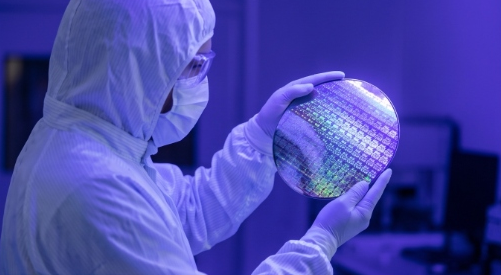
The Expenditure Finance Committee has cleared the proposal for India Semiconductor Mission (ISM) 2.0, allocating a substantial Rs 1.25 lakh crore to bolster domestic chip manufacturing. This funding represents a significant increase over the Rs 76,000 crore provided in the first phase. The initiative is now awaiting final Cabinet approval and aims to create a comprehensive ecosystem covering everything from raw materials and indigenous intellectual property to advanced chip design and packaging.
[Strategic Objectives]:
Union Minister Ashwini Vaishnaw emphasized that ISM 2.0 will prioritize the development of indigenous chip design and talent cultivation. By attracting global ecosystem partners, the mission seeks to integrate India more deeply into the global semiconductor value chain. The focus is not merely on manufacturing but on building a resilient supply chain that can support the growing demand for electronics and high-tech hardware within the country.
[Progress and Outlook]:
The first phase of the mission has already seen significant success, with 12 projects approved and an investment pipeline of Rs 1.64 lakh crore. These projects include a mix of fabrication and packaging units, two of which have already commenced commercial production. With additional projects scheduled to go live later this year, the government is accelerating its efforts to establish India as a global semiconductor hub, ensuring that the country remains competitive in the rapidly evolving global technology landscape.
Pulse Intelligence
AI AnalysisContext & Background
- ISM 1.0 was previously allocated Rs 76,000 crore to kickstart the semiconductor ecosystem.
- Twelve semiconductor projects were approved under the first phase of the mission.
- Two semiconductor manufacturing units have already begun commercial operations in India.
Key Consequences
- Accelerated growth of the domestic semiconductor manufacturing and design ecosystem.
- Increased attractiveness for global semiconductor firms to partner with Indian entities.
- Long-term reduction in dependency on imported chips for critical electronic sectors.
Market & Economic Impact
Not applicable.