
June 23, 2026 at 06:33 PM 2 min readindiabreakingAI Image
India Monitors Red Sea Vessel Security Amid Heightened Maritime Tensions
Maritime Security Developments:
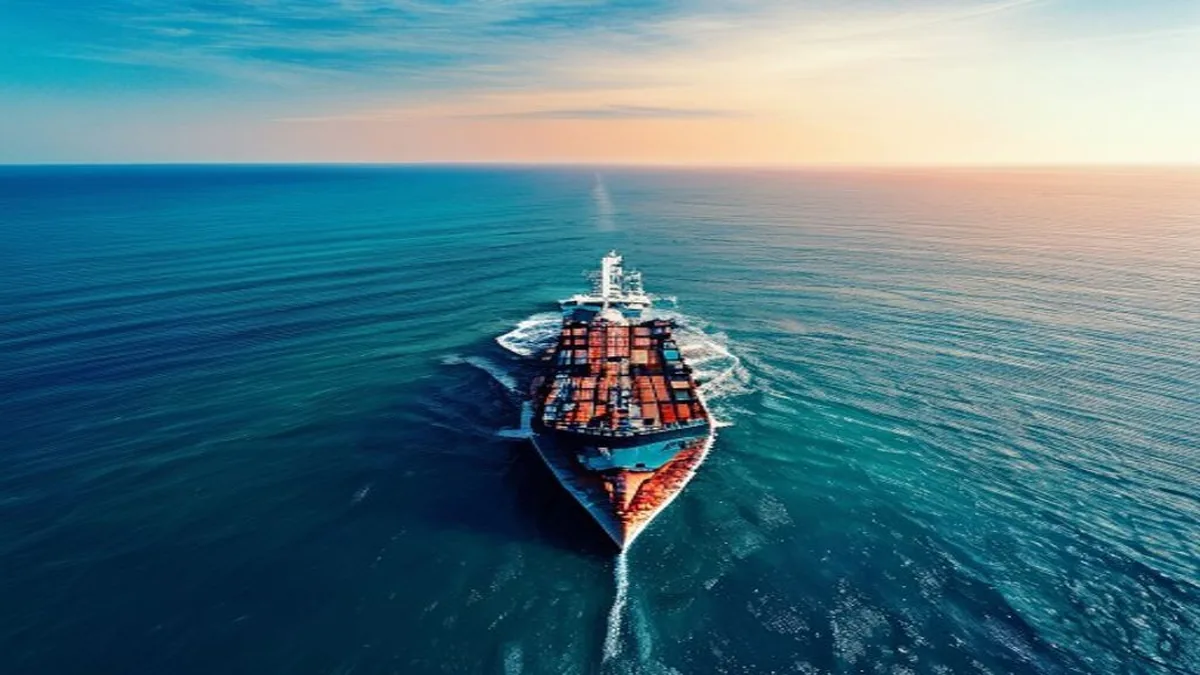
Indian authorities are currently monitoring the safety of eleven merchant vessels navigating through the Red Sea amid intensifying regional instability. External Affairs Ministry spokesperson Randhir Jaiswal confirmed that multiple Indian-flagged ships, including three large-capacity oil tankers each transporting 285,000 metric tonnes of crude, were positioned to the west. Alongside these, additional foreign-flagged tankers carrying crude oil and LPG are also under close observation. The government maintains a proactive stance to ensure the protection of commercial interests and personnel operating within these volatile international shipping corridors.
Strategic Regional Context:
These monitoring efforts follow a series of recent maritime incidents that have disrupted established trade routes in the Red Sea, forcing global shipping companies to reconsider transit protocols. Indian security agencies have increased surveillance coordination with international naval task forces to mitigate risks to domestic energy supply chains. This region represents a critical artery for India's energy security, as the nation imports a significant portion of its crude oil requirements through these maritime passages, making the safety of these tanker transits a matter of urgent national economic concern.
Operational Implications:
Ongoing surveillance remains critical as tensions continue to dictate the flow of maritime traffic in the Middle East. Indian officials are emphasizing the importance of freedom of navigation while simultaneously ensuring that all Indian-flagged vessels adhere to revised safety advisories and security guidelines. Industry analysts expect that if current threats persist, Indian maritime operations may necessitate increased escort presence or alternate routing strategies to maintain consistent energy inflows. The government continues to engage with regional stakeholders to ensure the safety of Indian seafarers and the integrity of essential commodity transit lines.
Pulse Intelligence
AI AnalysisContext & Background
- Recent escalations in the Red Sea region have significantly increased the security risk for merchant vessels traversing the waterway.
- The Indian government has previously deployed naval assets to the region to protect commercial shipping interests from piracy and conflict-related threats.
Key Consequences
- Shipping firms may increase insurance premiums for vessels operating on routes passing through the Red Sea corridor.
- India may need to enhance naval coordination with international coalition forces to ensure safe passage for critical energy imports.
- Increased transit times for fuel-laden tankers could potentially affect domestic supply chain logistics.
Market & Economic Impact
Disruptions in Red Sea shipping routes pose potential risks to energy import costs and domestic fuel price stability.