
June 26, 2026 at 04:59 PM 2 min readworlddeveloping
India Launches Steel Probe As Global Trade Tensions Rise Over Chinese Metal Oversupply
Anti-Dumping Investigation:
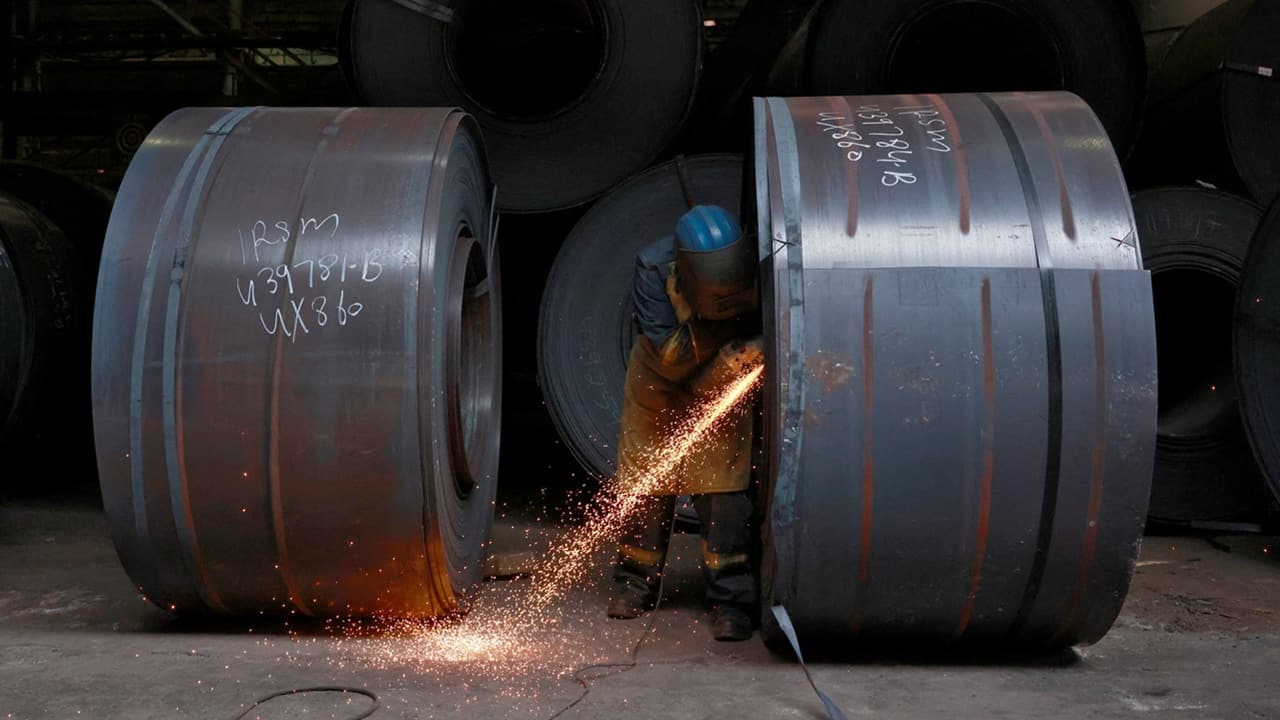
The Ministry of Commerce and Industry has officially initiated an anti-dumping investigation into imports of alloy and non-alloy hot-rolled flat steel from China, Japan, and Russia. This move follows formal petitions from domestic steel giants including JSW Steel, Jindal Steel Odisha, and Tata Steel, citing material injury to the local industry caused by a flood of low-cost imports during 2025 and early 2026.
Global Trade Protectionism:
The Indian investigation aligns with a growing global trend of protectionist measures aimed at addressing steel overcapacity. Simultaneously, the United Kingdom government announced it will halve its tariff-free steel import quotas to 3.2 million tonnes, with excess imports facing a 50% tariff, in a coordinated approach with the European Union. In other geopolitical developments, US President Donald Trump threatened 100% tariffs on nations implementing digital services taxes, while Bangladesh engaged Beijing to address a widening trade deficit.
Economic Outlook:
These developments signal an increasingly restrictive global trade environment as nations seek to shield domestic manufacturing from oversupply. For India, the DGTR investigation seeks to determine if retrospectively applied anti-dumping duties are necessary to stabilize the domestic steel market, which remains critical for the automotive, construction, and infrastructure sectors. Ongoing cooperation between Dhaka and Beijing reflects the complexities of regional trade balance within the Belt and Road Initiative framework.
Pulse Intelligence
AI AnalysisContext & Background
- Domestic producers have reported significant injury due to a persistent influx of low-cost, hot-rolled steel products entering the Indian market.
- Bangladesh maintains a substantial trade deficit with China, which amounted to $17.87 billion in the 2024-25 fiscal year.
- The UK and EU are aligning on trade safeguards to counteract the global oversupply of inexpensive steel originating from large-scale manufacturing exporters.
Key Consequences
- Indian steel prices may see upward adjustments if the government implements interim anti-dumping duties following the DGTR findings.
- Increased trade friction between India and major steel exporters could result in retaliatory measures or shifts in domestic procurement strategies.
- Global steel supply chains will likely experience further fragmentation as key economies tighten import quotas to protect local industrial capacity.
Market & Economic Impact
Domestic steel manufacturing stocks may see volatility as investors assess the potential for protective tariffs on imported materials.