
July 13, 2026 at 07:11 AM 2 min readaianalysis
India Strengthens ISR Capabilities to Address Border Intelligence Gap
Addressing Regional Intelligence Gaps:
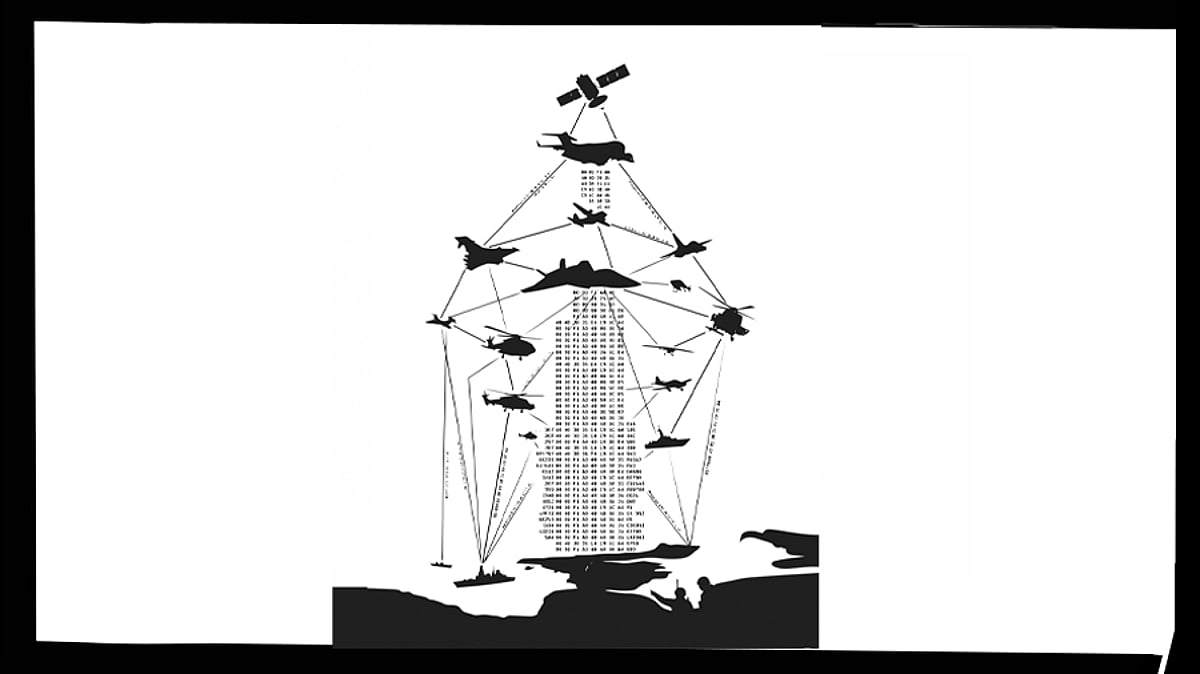
India is increasingly prioritizing the development of a robust Intelligence, Surveillance, and Reconnaissance (ISR) network to counter China's expanding monitoring capabilities along the Line of Actual Control (LAC). Recent strategic assessments highlight a widening intelligence gap caused by China's advanced, integrated surveillance infrastructure. Security experts argue that India must modernize its own monitoring frameworks to maintain strategic parity and national security.
Strategic Technological Integration:
Improving India's situational awareness requires a multi-faceted approach involving advanced technological deployment and private-sector innovation. The current plan emphasizes enhanced data fusion, allowing for real-time processing of signals intelligence and imagery. By leveraging domestic technological advancements, the armed forces aim to reduce their reliance on foreign systems while increasing the resiliency of border monitoring efforts against electronic interference or disruption.
Future Military Planning:
Joint military planning now plays a central role in refining these ISR strategies, ensuring that intelligence feeds directly inform ground-level operations. Enhanced coordination between intelligence agencies and combat units will be essential for managing the volatile border environment. Policymakers are pushing for a streamlined procurement process that encourages Indian defense startups to contribute specialized sensor and analytics technology. This transition marks a critical shift toward a more proactive, technology-driven defense stance against regional border threats.
Pulse Intelligence
AI AnalysisContext & Background
- The LAC has remained a focus of high-level diplomatic and military negotiations due to persistent border tensions.
- China has accelerated the deployment of high-altitude surveillance balloons, drones, and sensor grids along the border.
Key Consequences
- Increased defense budget allocation for domestic surveillance and data analytics startups.
- Heightened focus on developing indigenous sensor technologies that can operate in extreme Himalayan terrain.
Market & Economic Impact
Potential uptick for Indian defense-tech firms involved in surveillance, radar, and satellite manufacturing.