
June 8, 2026 at 03:18 AM 2 min readaiAI Insights
India to Integrate AI and Computational Thinking into School Curriculum from Grade 3
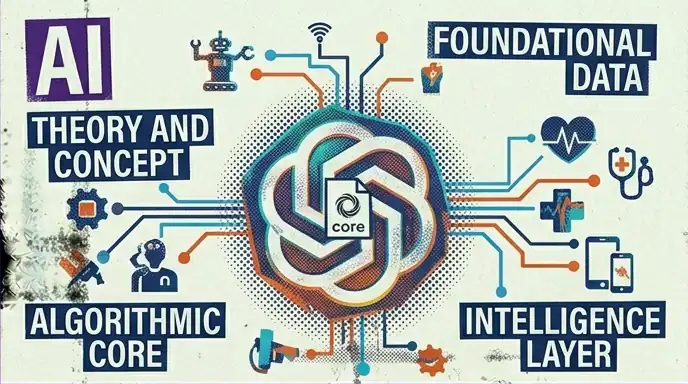
[AI Education Revamp from Grade 3]:
India is set to implement an Artificial Intelligence (AI) and Computational Thinking (CT) curriculum for students from Grade 3 onwards, starting with the 2026–27 academic year. This significant educational reform aligns with the National Education Policy (NEP) 2020 and the National Curriculum Framework for School Education (NCF-SE) 2023. The Central Board of Secondary Education (CBSE) is actively developing the framework, aiming to substantially increase the practical learning component from the current 25-30% to between 40-75%.
[Higher Education AI Overhaul]:
Concurrently, the Ministry of Electronics and Information Technology (MeitY) is leading a comprehensive overhaul of AI education at the college and university levels. This transformation emphasizes practical learning, robust collaboration with industry partners, and extensive faculty development programs. The goal is to equip higher education institutions with the necessary resources and expertise to produce a skilled AI workforce, bridging the gap between academic learning and industry demands. This dual approach ensures a holistic development of AI talent across all educational stages.
[National AI Infrastructure for Equity]:
A key proposal from MeitY includes creating a shared national AI infrastructure, providing equitable access to critical resources such as GPU computing, edge devices, and advanced AI software stacks. This initiative aims to reduce disparities among institutions, particularly benefiting smaller colleges and universities that may lack significant computational resources. By democratizing access to advanced AI technologies, India seeks to broaden participation in AI development and foster innovation across diverse regions and socio-economic backgrounds, accelerating its digital transformation.
Pulse Intelligence
AI AnalysisContext & Background
- The National Education Policy (NEP) 2020 and National Curriculum Framework for School Education (NCF-SE) 2023 laid the groundwork for modernizing India's education system.
- There is a global push to integrate AI and computational skills early in education to prepare students for future job markets.
- India has been investing in digital infrastructure and skill development initiatives to leverage its demographic dividend.
Key Consequences
- The new curriculum will significantly enhance digital literacy and AI readiness among Indian students from an early age.
- Increased practical learning and industry collaboration in higher education will likely lead to a more skilled and employable AI workforce.
- A shared national AI infrastructure could democratize access to advanced computing resources, fostering innovation across a wider range of institutions.
Market & Economic Impact
No direct market impact.