
June 22, 2026 at 06:36 PM 2 min readmarketsdeveloping
India Strengthens Global Trade Links Amid Energy and Export Diversification
Trade and Export Expansion:
India is aggressively diversifying its global trade reach, achieving key milestones such as the first shipment of Uttarakhand fresh litchis to Italy, marking a successful entry into European markets. With a broader agricultural export basket that has expanded to nearly 500 products, including pulses and processed foods, the country is aiming to reach $1 trillion in total exports by FY27. Furthermore, the upcoming implementation of the India-UK Free Trade Agreement (FTA) on July 15, 2026, represents a major step in securing global market access for Indian goods.
Energy Security Shifts:
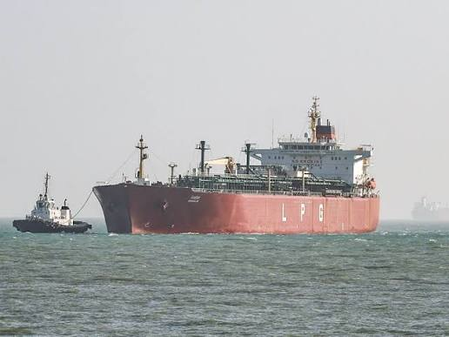
Concurrently, India has undergone a strategic shift in energy procurement in response to disruptions caused by regional conflict in West Asia. Data confirms that crude oil imports from Russia hit a record high of approximately 2.6 million barrels per day in June, serving as a reliable base-load supply. Meanwhile, India has significantly ramped up LPG and LNG imports from the United States to reduce reliance on the Gulf region, with U.S. gas suppliers now filling critical gaps caused by the closure of the Strait of Hormuz.
Industrial and Domestic Policy:
On the domestic front, NTPC is accelerating its transition into nuclear technology through partnerships with international players like Holtec International and Électricité de France (EDF), aiming to integrate Small Modular Reactors (SMRs) into its 30 GW nuclear roadmap by 2047. Additionally, policy interventions remain active, with the Karnataka High Court directing oil companies to consider the pleas of distilleries for increased ethanol procurement, highlighting the ongoing effort to align industrial practices with national energy and economic security objectives.
Pulse Intelligence
AI AnalysisContext & Background
- Regional conflict in West Asia caused major disruptions to energy trade through the Strait of Hormuz.
- India has been consistently expanding its free trade agreements to reach an ambitious $1 trillion export goal.
Key Consequences
- Increased reliance on diverse import sources will likely stabilize domestic energy pricing over the medium term.
- Indian agricultural producers will gain better value-added returns through continued market diversification.
Market & Economic Impact
The ongoing shift in energy supply and export strategy supports a more resilient balance of payments, though OMCs continue to face price shock absorption.