
June 25, 2026 at 03:49 PM 2 min readmarketsdeveloping
India Poised to Approve $370 Million Geely-Backed Automotive Investment
Geely-Backed Investment Approval:
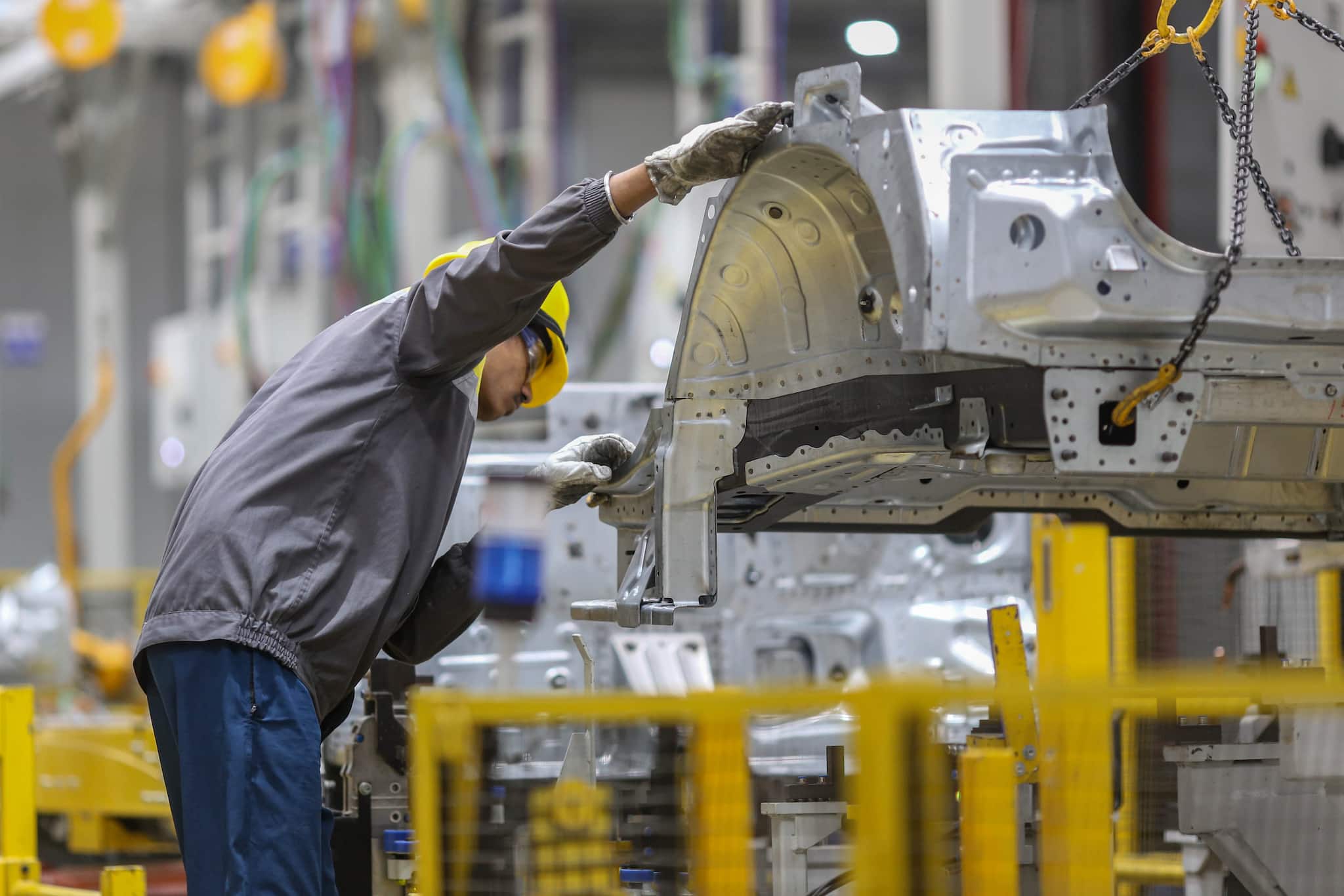
India is reportedly set to clear a $370 million automotive manufacturing investment involving a joint venture with Chinese auto giant Geely. This development marks a significant thawing in bilateral investment relations, following a prolonged period of restricted foreign direct investment (FDI) from China that began after border tensions escalated in 2020. The project focuses on a hybrid powertrain plant expected to bolster production capacities for major automakers including Renault, Nissan, and Volvo.
Strategic Shift in Policy:
The move suggests a nuanced shift in New Delhi's investment strategy, prioritizing local manufacturing and technology transfers within the automotive sector. This policy recalibration comes as India seeks to strengthen its position as a global manufacturing hub, balancing security concerns with the necessity of integrating into complex global supply chains. For years, the government maintained a stringent screening process for Chinese capital, but economic exigencies in the high-growth EV and hybrid markets appear to be driving a more pragmatic approach to project approvals.
Market Implications:
Investors should monitor the formal government notification for this project as it may signal a broader easing of the 'Press Note 3' restrictions for specific sectors. Increased collaboration with international giants like Geely is likely to accelerate India's transition toward next-generation propulsion technologies. Meanwhile, industry analysts caution that local firms must remain vigilant regarding global market volatility and maintain a focus on long-term sustainability rather than seeking immediate, high-risk financial gains in volatile sectors.
Pulse Intelligence
AI AnalysisContext & Background
- India imposed strict FDI regulations on neighboring countries, effectively curbing Chinese capital, following border clashes in 2020.
- The automotive sector in India has been actively seeking partnerships to localize hybrid and electric vehicle technologies to meet rising domestic demand.
Key Consequences
- Automakers like Renault and Nissan may gain improved access to hybrid technology components manufactured within India.
- The project could set a precedent for further approvals of Chinese-backed manufacturing ventures, provided they align with national indigenization goals.
- Domestic investment sentiment may shift as the government demonstrates flexibility in its restrictive trade and investment framework.
Market & Economic Impact
The approval could boost investor confidence in the automotive manufacturing sector and support local stock performance for partnered global manufacturers.