
June 25, 2026 at 11:04 PM 2 min readtechbreaking
IBM Unveils World's First Sub-1 Nanometer Chip Technology Featuring Nanostack Architecture
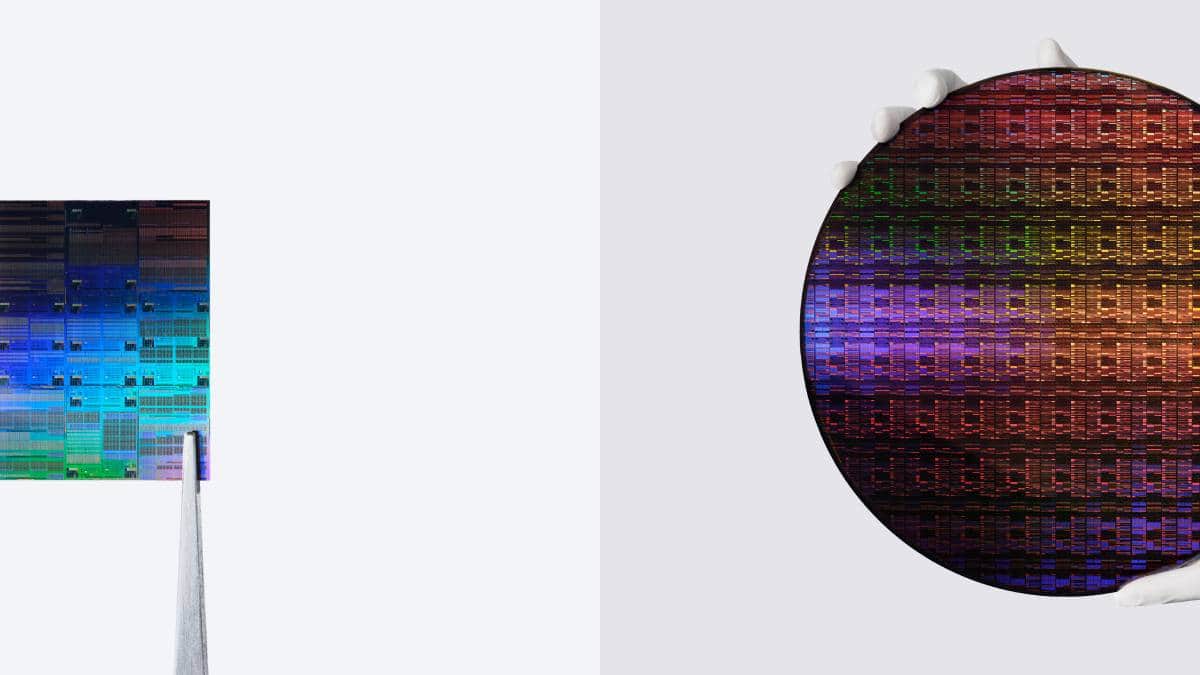
IBM Semiconductor Breakthrough:
IBM announced a major advancement in semiconductor engineering on June 25, 2026, unveiling the world’s first sub-1 nanometer chip technology. This new technology utilizes a 0.7 nm (7 angstrom) node, pushing chip scaling beyond the current nanometer era and into the realm of atomic-scale manufacturing to address the physical limitations of existing silicon processes.
Nanostack Architecture Innovation:
The breakthrough is built upon a proprietary three-dimensional 'nanostack' architecture, an industry-first design that stacks and staggers transistors vertically. By utilizing 3D sequential integration, this architecture allows for a significantly higher transistor density—approximately 100 billion transistors on a single chip, effectively doubling the density of IBM's previous 2nm chips.
Performance and Energy Efficiency:
Technical projections suggest this innovation will deliver up to 50 percent higher performance compared to existing 2nm nodes, alongside a 70 percent increase in energy efficiency. These gains are critical for supporting the growing computational demands of generative AI models, cloud infrastructure, and next-generation mobile electronic devices, marking a significant step toward extending Moore's Law.
Pulse Intelligence
AI AnalysisContext & Background
- In 2021, IBM previously introduced the world's first 2nm chip, which significantly set the industry standard for high-density transistor scaling.
- The semiconductor industry has been facing increasing physical constraints as traditional lithography approaches the single-digit nanometer scale.
Key Consequences
- This architectural shift could drastically reduce the energy consumption of large-scale AI data centers, potentially lowering operational costs for cloud service providers.
- Long-term adoption of nanostack technology may enable the development of more powerful, battery-efficient mobile hardware for the Indian consumer electronics market.
- IBM's breakthrough provides a new competitive benchmark for other semiconductor manufacturers like Intel and TSMC in the race toward post-silicon-era computing.
Market & Economic Impact
This technology represents a long-term catalyst for the semiconductor sector, likely influencing R&D investments among global chipmakers and hardware manufacturers.