
June 17, 2026 at 10:19 AM 2 min readhealthAI Insights
Health Ministry Launches Swasth Jeevan Abhiyan to Combat Chronic Diseases
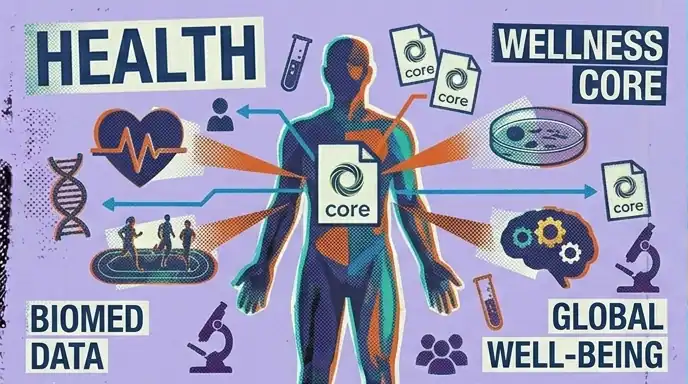
[Nationwide Campaign Against NCDs]:
The Ministry of Health and Family Welfare has officially launched a major nationwide campaign to raise awareness about the early detection and prevention of non-communicable diseases (NCDs). Named the "Swasth Jeevan Abhiyan," this public health initiative targets chronic conditions such as diabetes, hypertension, and cardiovascular diseases, which represent a rapidly growing share of India's overall healthcare burden.
[Community-Led Screenings and Education]:
To ensure maximum reach, the campaign will deploy community health workers across both rural and urban areas. These frontline workers will conduct free health screenings and distribute localized educational materials to citizens. By bringing diagnostic tools directly to communities, the government aims to identify high-risk individuals early and encourage healthier lifestyle choices before severe complications arise.
[Addressing India's Growing Health Burden]:
This massive initiative comes at a critical time as lifestyle-related chronic diseases increasingly affect younger demographics across India. By focusing heavily on preventive healthcare rather than just clinical treatment, the ministry hopes to significantly reduce the long-term economic and social strain on families and the public healthcare system, establishing a sustainable model for national wellness.
Pulse Intelligence
AI AnalysisContext & Background
- Non-communicable diseases have emerged as the leading cause of mortality in India, accounting for over 60% of all deaths.
- India's rural population often lacks access to routine diagnostic screenings, leading to late-stage detection of chronic illnesses.
- Previous public health campaigns have highlighted the need for decentralized, community-level healthcare interventions.
Key Consequences
- Millions of citizens in remote areas will gain access to free, early-stage screenings for diabetes and hypertension.
- Increased awareness is expected to drive demand for preventive healthcare services and wellness products.
- Early detection will likely reduce the hospitalization rate for severe cardiovascular events over the next decade.
Market & Economic Impact
No direct market impact.