
June 25, 2026 at 07:08 AM 2 min readhealthdeveloping
Avian Influenza H5N1 Surveillance Ramps Up Amid Poultry Outbreak Risks
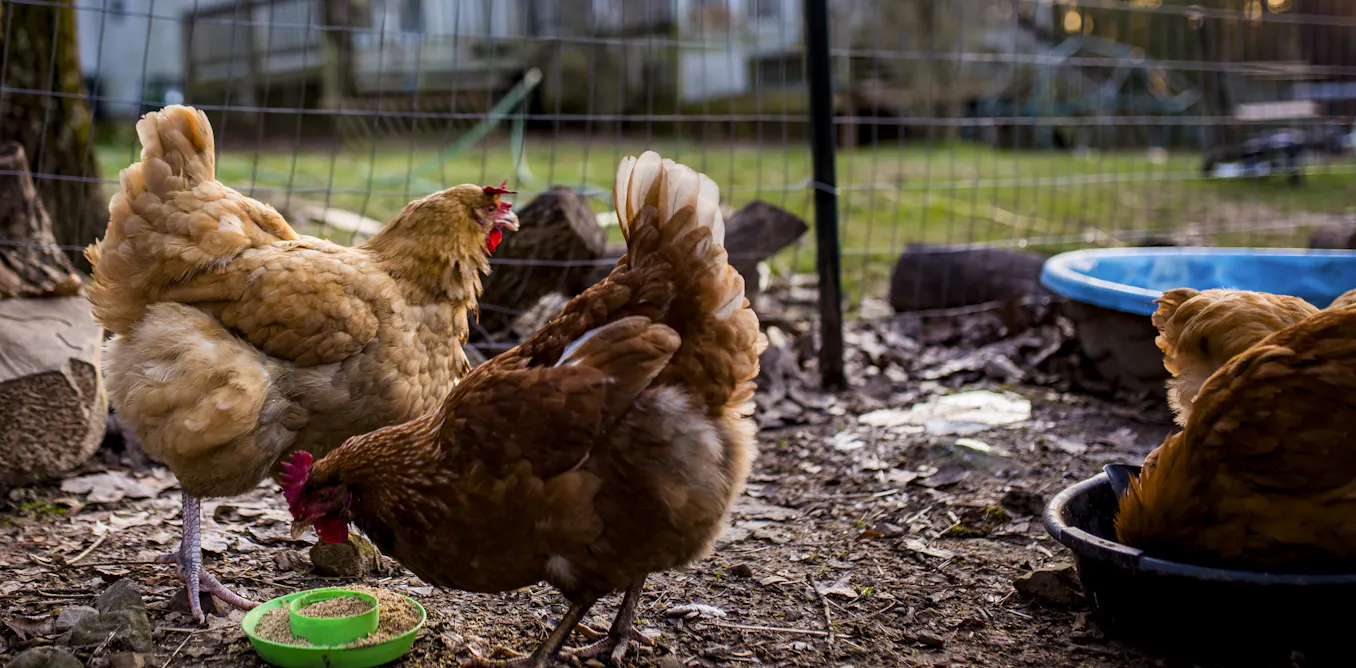
H5N1 Virus Spreading in Australia:
The highly pathogenic avian influenza strain H5N1 has been detected in wild birds across two Australian states, prompting authorities to escalate surveillance efforts. Experts, who have monitored the virus since 2004, warn that the disease poses a severe threat to commercial poultry and backyard flocks, as it has previously caused significant mortality rates in the northern hemisphere and in various terrestrial species including cats.
Transmission Dynamics and Risks:
The virus has demonstrated a concerning ability to jump between species, with recent evidence in the United States linking infections in cats to contaminated colostrum from dairy cattle. Experts emphasize that the risk to domestic pets, particularly cats, is significantly higher than for dogs. Backyard chicken owners are advised to limit outdoor time for birds to prevent contact with 'bridging species' like crows and magpies that may carry the infection into urban settings.
Proactive Containment Measures:
Federal and state agriculture departments are now expanding testing from wild bird sites to include commercial and backyard poultry. The policy for confirmed H5N1 infection typically requires the euthanasia of affected flocks to prevent widespread transmission. Citizens are strongly encouraged to report suspicious bird behavior to the Emergency Animal Disease Hotline immediately, while avoiding physical contact with potentially infected wildlife by utilizing proper PPE if movement is unavoidable.
Pulse Intelligence
AI AnalysisContext & Background
- The H5N1 strain has significantly impacted global poultry industries and dairy farms in the United States since 2023.
- Australian authorities initially monitored for the virus arrival primarily via migratory shorebirds moving from the sub-Antarctic region.
Key Consequences
- Heightened biosecurity requirements are expected for poultry producers and backyard chicken keepers nationwide.
- Increased veterinary vigilance for neurological or respiratory distress symptoms in household pets, especially cats.
- Potential supply chain disruptions if commercial poultry facilities are forced to cull livestock due to outbreak confirmation.
Market & Economic Impact
Potential volatility in poultry sector stocks depending on the extent of regional outbreak reports.