
July 8, 2026 at 03:12 PM 2 min readautoanalysis
H1 2026 Luxury Car Sales: Mercedes-Benz Leads
Luxury Market Performance:
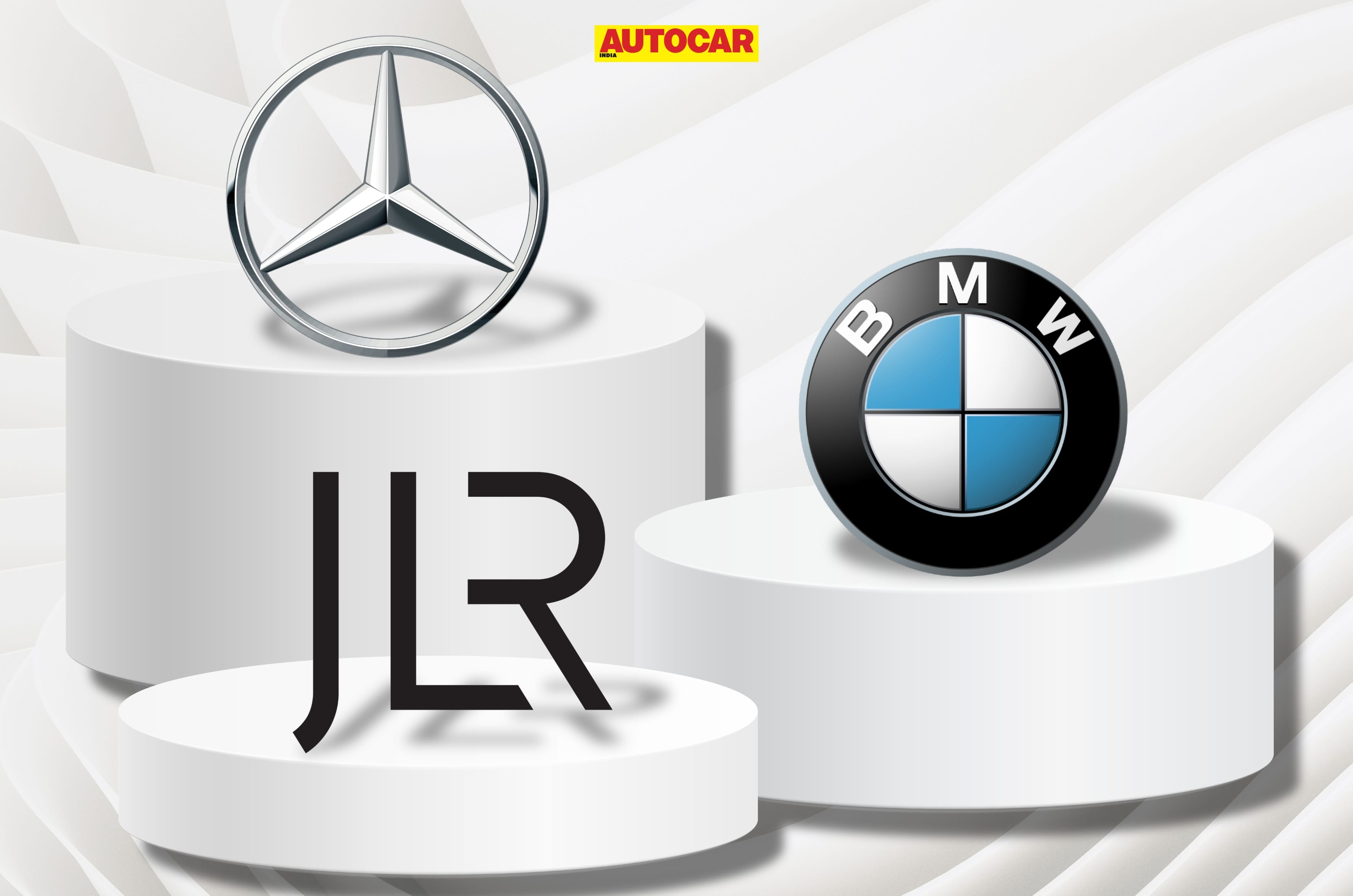
The Indian luxury passenger vehicle market demonstrated steady growth during the first half of 2026, recording a 4 percent increase in sales volume compared to the previous year. Mercedes-Benz India maintained its position at the top of the segment with 9,768 units, achieving a 9 percent year-on-year growth and its best-ever half-year performance. BMW followed closely in second place with 9,075 units, marking an impressive 17 percent year-on-year increase. JLR India occupied the third spot on the podium with 3,039 units, despite a slight decline in year-on-year volume.
Sectoral Dynamics:
Market participants attributed these results to varying levels of product updates and launches. BMW outperformed the segment in growth percentage, driven largely by its EV portfolio, which saw a 78 percent surge, and its strong SUV lineup. Meanwhile, Mercedes-Benz benefited from the popularity of the E-Class LWB and a 20 percent bump in demand for its top-end models, including the Maybach and AMG ranges. Other players like Audi and Volvo registered modest growth of 3 and 4 percent, respectively, while Porsche reported a 22 percent decline, likely due to buyer hesitation ahead of the implementation of the India-EU Free Trade Agreement.
Future Outlook:
The luxury segment remains optimistic, with several new launches expected in the second half of 2026. Audi is preparing to introduce the new-gen Q3 and several electric models, while Volvo plans to debut the ES90 sedan and EX90 SUV. The upcoming India-UK FTA is also expected to significantly influence market pricing for imported models from brands like JLR. As manufacturers adjust their local assembly strategies and pricing to remain competitive, the market is expected to show resilience and further growth through the end of the year, particularly in the premium electric vehicle category.
Pulse Intelligence
AI AnalysisContext & Background
- Luxury car demand in India has been bolstered by a growing segment of high-net-worth individuals and an expanded model portfolio from major brands.
- The India-EU Free Trade Agreement has caused some prospective buyers to delay purchases in anticipation of reduced import duties.
Key Consequences
- Luxury automakers will likely shift focus toward electric vehicle offerings to meet rising demand in the premium segment.
- Automakers may adjust their pricing strategies once the India-UK FTA is fully implemented to increase sales volumes for CBU models.
Market & Economic Impact
Luxury auto segment shows resilience, with growth driven by premium EVs and high-end model demand, though trade agreements are shifting buyer behavior.