
July 9, 2026 at 06:39 PM 2 min readmarketsanalysis
Gujarat HC Limits Judicial Intervention in Trade Disputes as El Nino Risks Mount
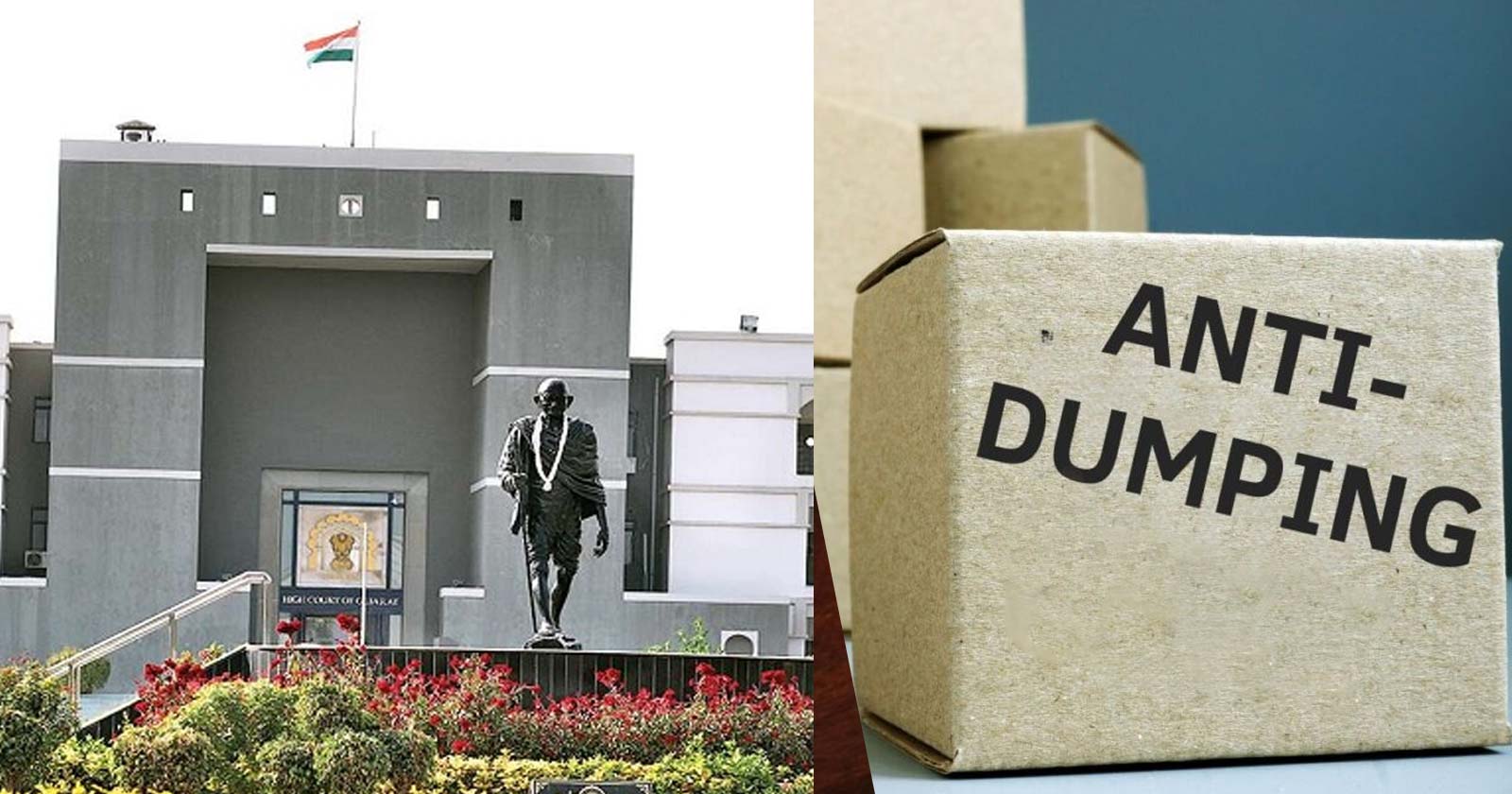
Judicial Limits on Trade Disputes:
The Gujarat High Court recently declined to intervene in anti-dumping duty valuation cases, ruling that such highly technical matters reside outside the typical scope of writ petitions. The court directed an exporter to approach the Customs, Excise and Service Tax Appellate Tribunal (CESTAT) for resolution. This decision emphasizes that technical computations of dumping margins and non-injurious pricing require the specific oversight of administrative tribunals rather than general courts. By labeling these disputes as terra incognita for the judiciary, the ruling aims to streamline trade litigation and provide clearer legal pathways for exporters.
Climate Instability and Economic Outlook:
While the judiciary focuses on legal efficiency, macroeconomic concerns are shifting toward the persistence of climate volatility. Meteorological forecasters have indicated that the ongoing El Nino phenomenon is expected to strengthen significantly through late 2026 and persist into spring 2027. This long-range climate event threatens global weather patterns, potentially leading to catastrophic flooding and intense heatwaves. For India, the primary risk involves the disruption of the monsoon season, which remains vital for agricultural output and national inflation control, as irregular rainfall can lead to supply shocks in essential food crops.
Strategic Challenges and Preparedness:
The intersection of trade regulation and climate risk highlights the multifaceted pressures on the Indian economy. While legal experts welcome the clarity provided by the Gujarat High Court to protect specialized appellate frameworks, broader risks like rising operational costs for Global Capability Centres (GCCs) continue to influence the service sector. As CEA V. Anantha Nageswaran has noted, India must address these cost pressures while preparing for climate-induced volatility. Policymakers are now emphasizing the need for enhanced disaster preparedness and climate adaptation strategies to safeguard the agricultural economy against prolonged climate volatility through 2027.
Pulse Intelligence
AI AnalysisContext & Background
- The Indian judiciary has increasingly moved toward relegating specialized technical valuation disputes to administrative tribunals to ensure expert review.
- CEA V. Anantha Nageswaran warned that India's GCCs face rising costs while other nations compete with similar operating models.
- Meteorologists project the current El Nino cycle to strengthen, causing potential global weather disruptions through 2027.
Key Consequences
- Exporters will face more predictable legal pathways by utilizing CESTAT for technical valuation grievances.
- The persistence of El Nino through 2027 could lead to prolonged volatility in global agricultural markets and commodity prices.
- Indian policymakers may need to accelerate climate adaptation strategies for the agriculture sector to mitigate monsoon-related risks.
Market & Economic Impact
Agricultural commodities may face price volatility due to monsoon risks, while the court ruling provides regulatory certainty for the trade sector.