
June 29, 2026 at 02:35 AM 2 min readindiadevelopingAI Image
Government Plans 90% Carbon Tax Subsidy for MSMEs
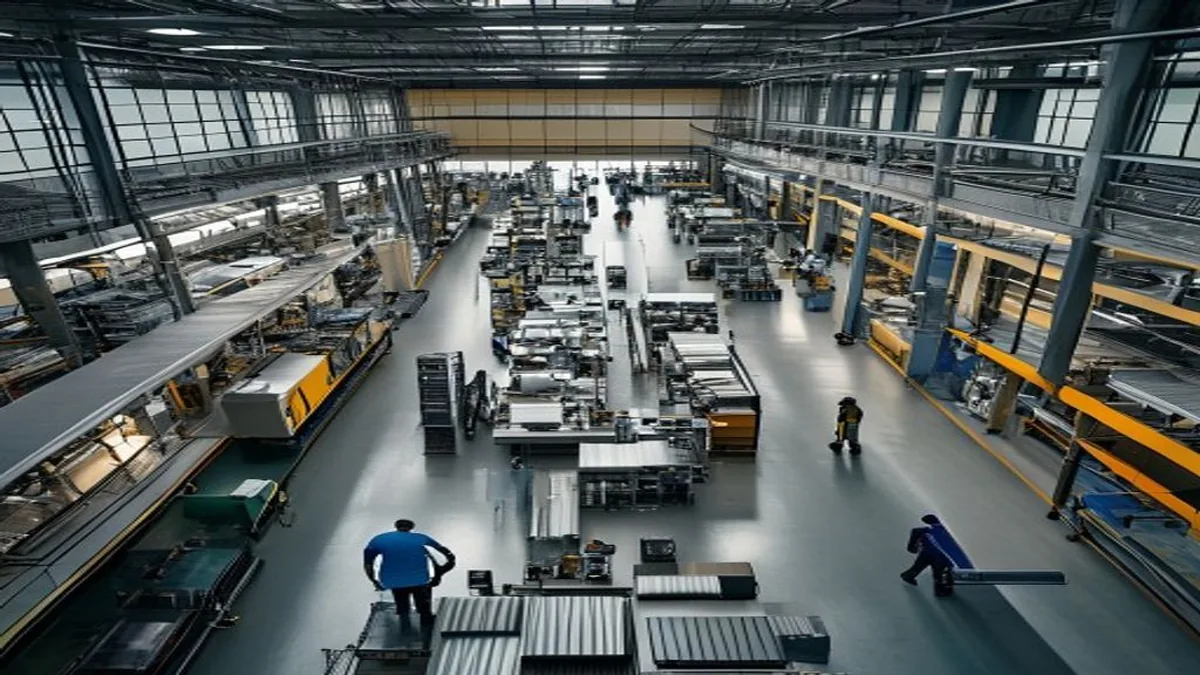
CBAM Compliance Support:
The Indian government is formulating a strategic scheme to cover 90% of the compliance costs incurred by micro, small, and medium enterprises (MSMEs) under the European Union's Carbon Border Adjustment Mechanism (CBAM). This initiative aims to protect smaller domestic exporters who face steep, disproportionate financial burdens while meeting EU reporting standards. Since the carbon tax implementation began on January 1, 2026, MSMEs have struggled to track complex embedded emissions data, often requiring significant expenditure on carbon accounting and third-party verification.
Economic Challenges:
Small businesses lack the technical infrastructure and capital to handle the mandatory emission reporting, which can cost individual units between Rs 15 lakh and Rs 20 lakh annually. Without state assistance, these fixed compliance expenses risk eroding the global price competitiveness of Indian goods. The EU policy includes mandatory default values with progressively increasing mark-ups of 10% in 2026, 20% in 2027, and 30% from 2028, further complicating market entry for Indian exporters lacking actual verified data.
Strategic Significance:
The proposed subsidy marks a critical intervention for the iron, steel, and aluminium sectors, where exports to the EU are projected to face a significant decline. While the scheme provides a financial buffer, experts note that capacity building and digital infrastructure remain essential for long-term viability. India, as a major global producer of carbon-intensive goods, continues to navigate diplomatic challenges regarding these environmental regulations, particularly as other nations like the UK prepare to introduce similar carbon border policies in 2027.
Pulse Intelligence
AI AnalysisContext & Background
- The European Union implemented the Carbon Border Adjustment Mechanism (CBAM) regulation effective January 1, 2026.
- Indian MSMEs face annual compliance costs estimated between Rs 15 lakh and Rs 20 lakh per unit for carbon emission reporting.
Key Consequences
- Targeted financial support may help stabilize the export competitiveness of small steel and aluminium manufacturers.
- Government intervention will likely accelerate the adoption of digital carbon accounting tools among domestic MSMEs.
Market & Economic Impact
This policy support is expected to protect export margins for the Indian metal and manufacturing sectors against potential EU trade declines.