
July 7, 2026 at 03:05 AM 2 min readindiadeveloping
Government Likely To Defer 25% Ethanol Petrol Blending Target
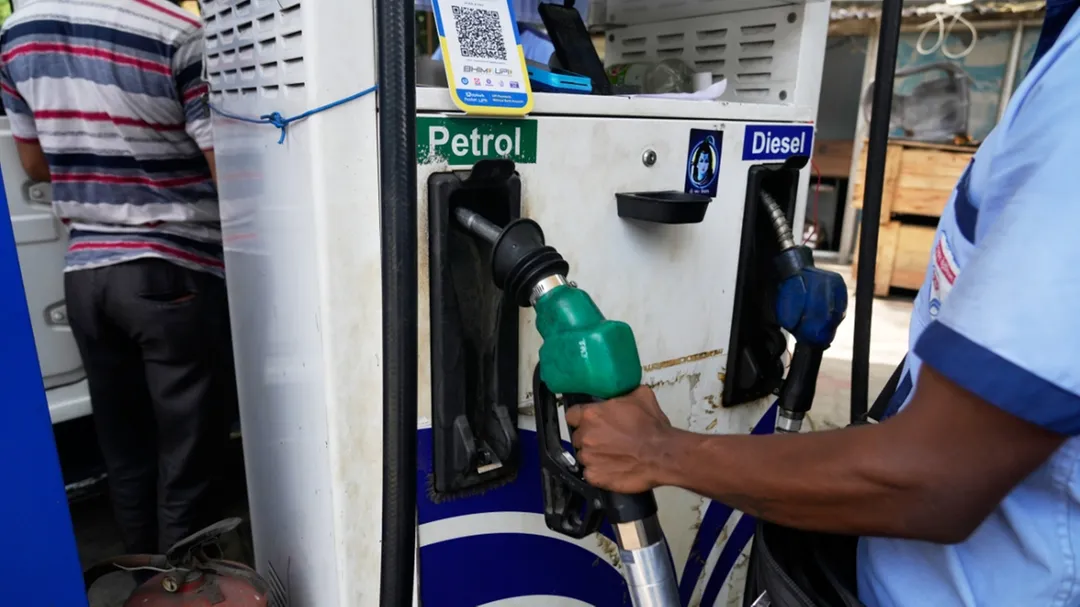
Ethanol Blending Policy Shift:
The central government is reportedly contemplating a delay in the implementation of the 25% ethanol blending mandate for petrol. This move follows mounting feedback from stakeholders and concerns regarding the readiness of the supply chain and infrastructure to handle higher blending levels. The current regulatory environment has been under pressure as the nation balances its ambitious green energy goals with the practical challenges of rapid energy transition and fuel compatibility.
Industry and Supply Challenges:
The shift in stance stems from industry-wide concerns regarding both the availability of sufficient ethanol feedstocks and the technical preparedness of existing automotive engines. Achieving high-level blending targets requires consistent feedstock supply, which remains susceptible to fluctuations in agricultural yields and seasonal production variances. Industry participants have highlighted that mandatory rapid increases in blending percentages risk disrupting fuel supply chains if not supported by adequate refining and storage upgrades across the national distribution network.
Immediate Implications for India:
A potential postponement would offer relief to the automotive sector, which has been vocal about the need for extended timelines to adapt existing hardware for higher ethanol concentrations. For the average Indian, the decision may help stabilize fuel prices by reducing the risk of supply disruptions that could accompany a hurried mandate. Policymakers must now balance the environmental benefits of reduced carbon emissions against the short-term economic realities of energy security and automotive infrastructure readiness as they refine the national ethanol blending roadmap.
Pulse Intelligence
AI AnalysisContext & Background
- India previously set aggressive targets to increase ethanol blending in petrol to lower the nation's reliance on imported crude oil.
- Automotive manufacturers have repeatedly communicated concerns regarding the compatibility of current engine designs with high-ethanol fuel blends.
Key Consequences
- Automotive firms may gain more time to upgrade vehicle components for better compatibility with ethanol-blended fuels.
- The delay could lead to a reassessment of agricultural policies supporting sugar and grain production for ethanol refining.
- Fuel supply chain participants will likely shift their near-term investment focus toward refining infrastructure stability.
Market & Economic Impact
Automotive stocks may react positively to the easing of near-term regulatory pressure regarding engine adaptation mandates.