
July 7, 2026 at 06:03 AM 2 min readindiadeveloping
Government Shifts Strategy on E25 Ethanol Petrol Rollout
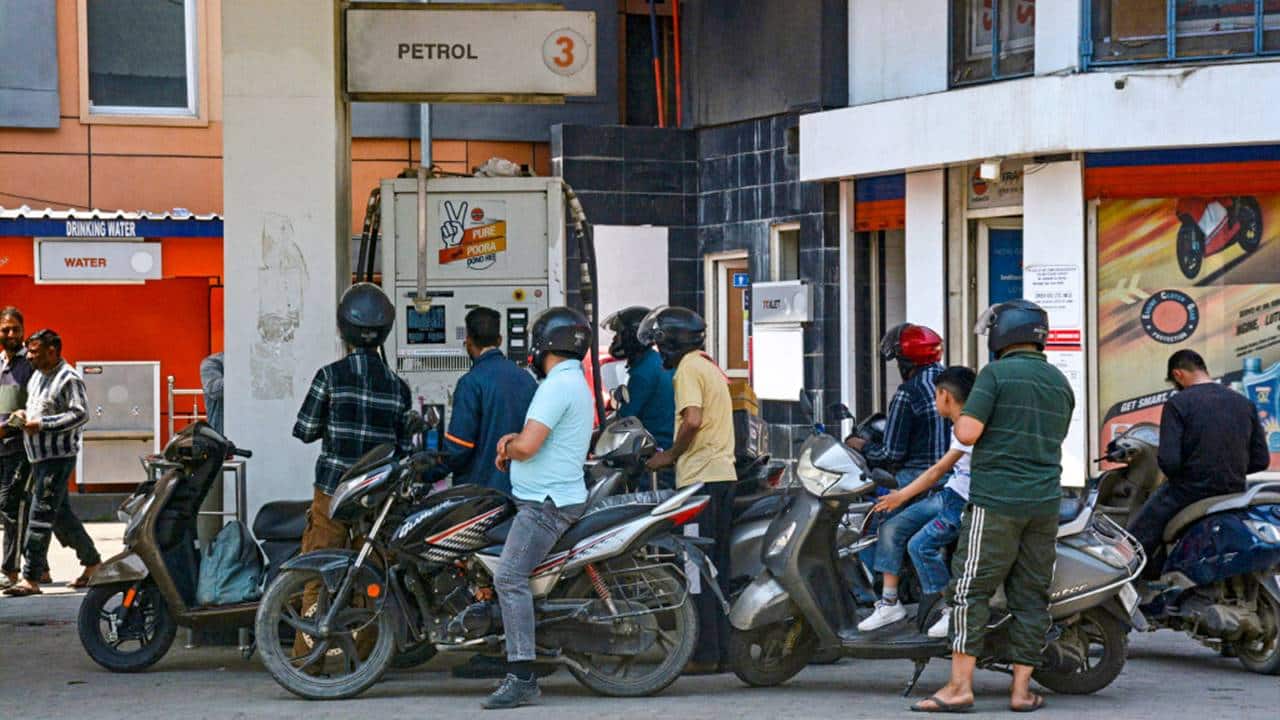
Graded Implementation:
The Indian government is reportedly planning a more cautious, phased approach for the rollout of E25 ethanol-blended petrol. This shift follows significant public and industry backlash regarding the transition to E20, which raised concerns about vehicle compatibility, engine longevity, and fuel efficiency. By adopting a graded strategy, the administration aims to mitigate the technical risks associated with higher ethanol blends and ensure that the automotive infrastructure can adequately handle the fuel transition.
Backlash and Concerns:
The E20 transition, which preceded the current plan, faced resistance from owners of older vehicles and consumer groups who reported negative impacts on mileage and maintenance costs. These concerns have compelled the government to re-evaluate the timelines for E25 implementation. Authorities are now focusing on data-driven assessments to balance the country's clean energy targets with the practical reality of maintaining existing vehicle health across diverse operating conditions in India.
Future Path:
The refined strategy will likely involve extensive pilot testing and collaborative consultations with vehicle manufacturers to ensure safety standards are met before full-scale adoption. For consumers, this means a slower transition period, potentially easing immediate pressure on fuel efficiency and engine maintenance. The government remains committed to its long-term sustainable energy goals, but the new, phased model underscores a commitment to addressing real-world operational challenges reported by citizens during the earlier E20 phase.
Pulse Intelligence
AI AnalysisContext & Background
- The Indian government has been actively pushing for higher ethanol blending in petrol to reduce dependence on imported crude oil.
- Consumers and industry experts raised alarms regarding engine damage and mileage drops following the rollout of E20 fuel.
Key Consequences
- Automakers will likely gain more breathing room to optimize engines for higher ethanol blends.
- Consumers with older vehicle models may experience a delay in the mandatory transition to higher ethanol fuel blends.
Market & Economic Impact
The strategy shift could stabilize short-term demand concerns for the domestic auto industry and impact biofuel stocks.