
July 13, 2026 at 03:02 AM 2 min readmarketsdeveloping
Gold Prices Steady as Geopolitical Risks and US Data Loom
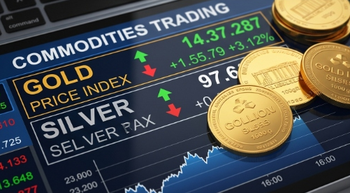
Gold Market Volatility:
Gold (XAU/USD) is currently navigating a period of heightened sensitivity as market participants weigh competing signals from global geopolitical instability and US economic indicators. The precious metal is facing a defining week characterized by the convergence of crucial US Consumer Price Index (CPI) data, testimony from key financial officials, and rising tensions in the Hormuz region. These factors are creating a cautious environment for investors, as the interplay between inflation expectations and geopolitical risk continues to drive safe-haven demand.
Macroeconomic and Geopolitical Drivers:
The Australian Dollar (AUD/USD) has recently shown signs of losing momentum, dropping below the 0.6950 mark following a new round of strikes involving US and Iranian assets. This decline reflects broader risk-off sentiment in global currency markets. The gold price forecast remains intricately linked to the volatility in these key pairings and the upcoming release of critical macroeconomic reports. Analysts observe that while consolidation has provided some room for upward movement, the current price action remains capped by uncertainty surrounding US monetary policy outlook and potential escalation in regional conflicts.
Significance for Global Markets:
The combination of Warsh testimony and Hormuz risk events presents a complex landscape for traders in India and abroad. For domestic investors, these global trends influence gold prices in the Indian market, which are highly sensitive to international spot movements and currency fluctuations. The market is looking for definitive signals from central bank testimonies to gauge the future path of interest rates. Until these data points are processed, gold is likely to remain in a volatile consolidation phase, with its next direction determined by the severity of the geopolitical developments and the strength of the US economic narrative.
Pulse Intelligence
AI AnalysisContext & Background
- Regional volatility in the Hormuz Strait has remained a persistent concern for global oil and precious metal markets.
- Gold has frequently acted as a primary hedge against inflation and geopolitical instability throughout the current fiscal year.
Key Consequences
- Continued instability in the Middle East could drive gold prices to maintain or break through current resistance levels.
- US inflation data will likely serve as the primary catalyst for the next major movement in both currency and precious metal markets.
Market & Economic Impact
Fluctuations in global gold prices directly impact Indian domestic retail demand and the performance of jewellery sector stocks.