
June 16, 2026 at 03:04 AM 2 min readhealthanalysis
GLP-1 Weight Loss Therapies Require Integrated Patient-Centric Planning
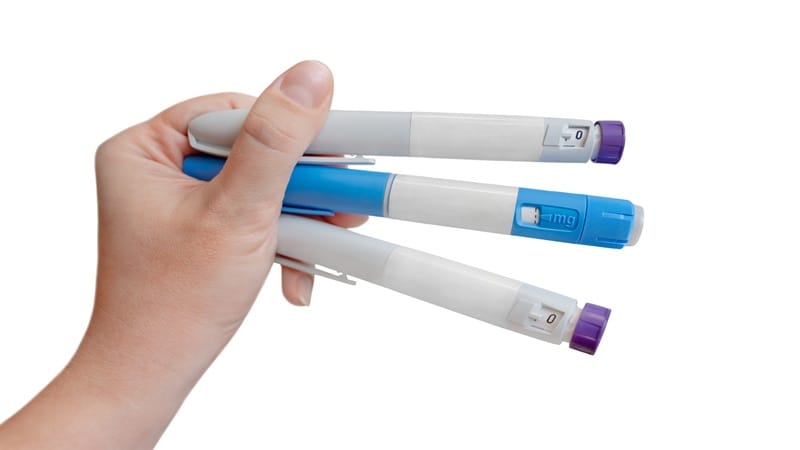
Comprehensive Treatment Frameworks:
Recent clinical guidance emphasizes that GLP-1 weight loss medications are most effective when integrated into a comprehensive care plan rather than utilized as a solitary intervention. Successful outcomes rely on a multi-faceted approach involving structured lifestyle modifications, ongoing pharmacologic therapy, and occasional surgical consultation. Medical experts note that the treatment of obesity must be personalized, accounting for the severity of adiposity, the presence of chronic comorbidities, and the patient's individual functional status.
Risk Stratification and Clinical Decision-Making:
Clinical practice relies on Body Mass Index (BMI) categories to guide treatment intensity, while simultaneously assessing obesity-related complications such as hypertension, type 2 diabetes, and cardiovascular issues. For example, patients with a BMI of 27 or higher who possess specific cardiac risks may benefit from semaglutide to reduce the incidence of heart attacks and strokes. Physicians are encouraged to remain flexible, as individual responses to specific GLP-1 or GLP-1/GIP receptor agonists vary significantly in terms of both efficacy and side effects.
Ongoing Monitoring Protocols:
Long-term management requires persistent monitoring to maintain motivation and prevent weight regain. Standard clinical protocol now suggests initial follow-ups within two months of starting medication, with subsequent visits every three months until a stable dose is achieved. By standardizing these follow-up schedules, providers can ensure patients remain on well-tolerated therapy, adjusting doses or switching medications as necessary to achieve optimal health goals safely and effectively.
Pulse Intelligence
AI AnalysisContext & Background
- GLP-1 medications, such as semaglutide and tirzepatide, have gained widespread clinical usage for the management of obesity and associated comorbidities.
- Current health guidelines have shifted toward viewing obesity as a chronic disease requiring long-term medical management rather than just lifestyle intervention.
Key Consequences
- Healthcare providers will likely adopt more structured follow-up schedules for patients prescribed GLP-1 therapies to improve long-term adherence.
- Clinical decision-making protocols will increasingly prioritize the treatment of specific comorbidities, such as heart disease or fatty liver, alongside weight loss goals.
- Primary care settings will likely expand their focus to include more comprehensive metabolic monitoring as standard practice for obesity patients.
Market & Economic Impact
No direct market impact.