
June 5, 2026 at 04:59 AM 2 min readworldanalysisAI Image
Germany Loses UN Security Council Seat for First Time in Historic Diplomatic Defeat
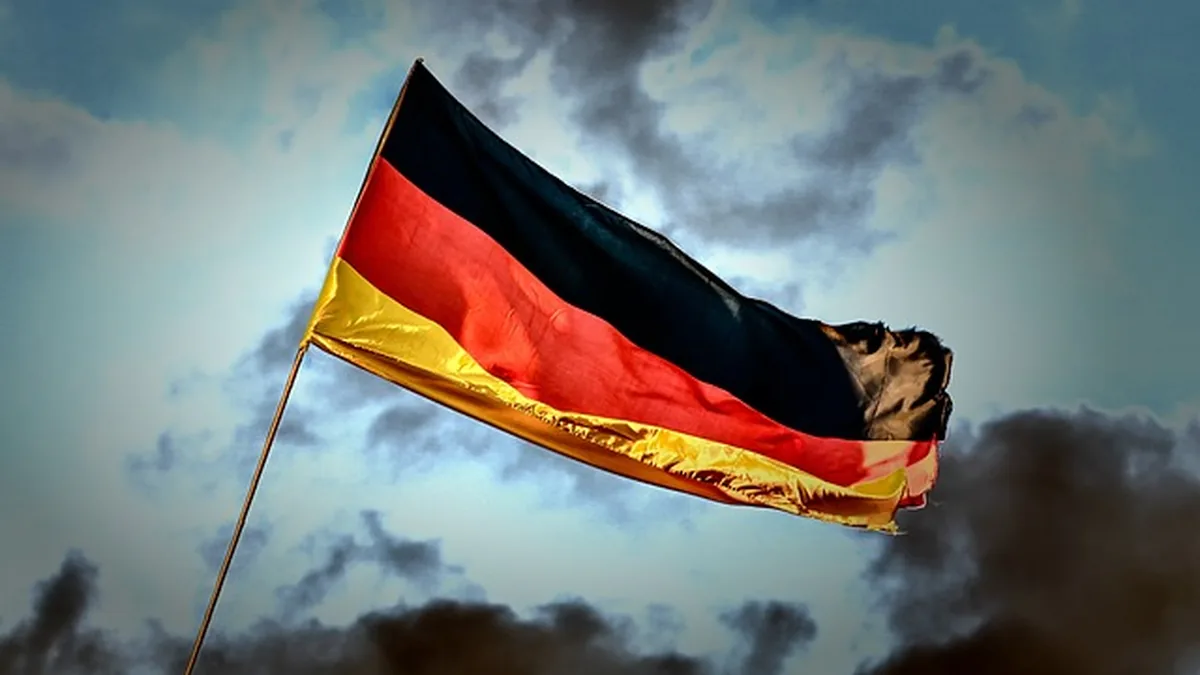
Germany UNSC Election Loss:
Germany has suffered a historic diplomatic setback after failing to secure a non-permanent seat on the United Nations Security Council (UNSC) for the first time in its modern history. In the General Assembly voting, competitor nations Portugal and Austria successfully secured the two allocated seats for the Western European and Others Group. German foreign ministry officials labeled the outcome a "bitter defeat" and publicly attributed the loss to Russian lobbying and geopolitical fragmentation within the assembly.
Geopolitical and Voting Shift:
The loss represents a severe blow to Berlin's international standing and follows intense scrutiny over its foreign policy alignments. Analysts suggest Germany's steadfast pro-Israel posture during ongoing Middle Eastern conflicts alienated a substantial bloc of Global South voting nations, shifting crucial support toward Austria and Portugal. Additionally, Berlin's vocal opposition to Russia's actions in Ukraine made it a primary target for Moscow-led efforts to undermine German influence in multilateral forums.
G4 Coalition Repercussions:
This development directly impacts India, which partners closely with Germany, Japan, and Brazil under the G4 coalition advocating for permanent UNSC expansion. Germany's loss of a non-permanent seat weakens the collective diplomatic leverage of the G4 at a time when reform discussions are gaining traction. New Delhi will now have to recalculate its lobbying strategies within the UN, balancing its partnership with a weakened Berlin against rising diplomatic forces in Europe.
Pulse Intelligence
AI AnalysisContext & Background
- Non-permanent members of the UN Security Council are elected by the General Assembly for two-year terms, requiring a two-thirds majority.
- Germany has traditionally held a non-permanent seat on the UNSC once every decade, serving as a key European voice.
- Berlin has faced increasing friction with many Global South nations over its diplomatic positioning on various ongoing international crises.
Key Consequences
- Germany's absence from the UNSC will reduce its ability to directly influence international security resolutions over the next two years.
- The loss will spark intense domestic political debates in Berlin regarding the effectiveness of its current foreign policy strategies.
- Portugal and Austria will assume a more prominent role in drafting European responses within the Security Council.
Market & Economic Impact
No direct market impact.