
June 23, 2026 at 06:38 PM 2 min readtechanalysis
Samsung Galaxy S27 Series: Innovation, Privacy, and Hardware Evolution
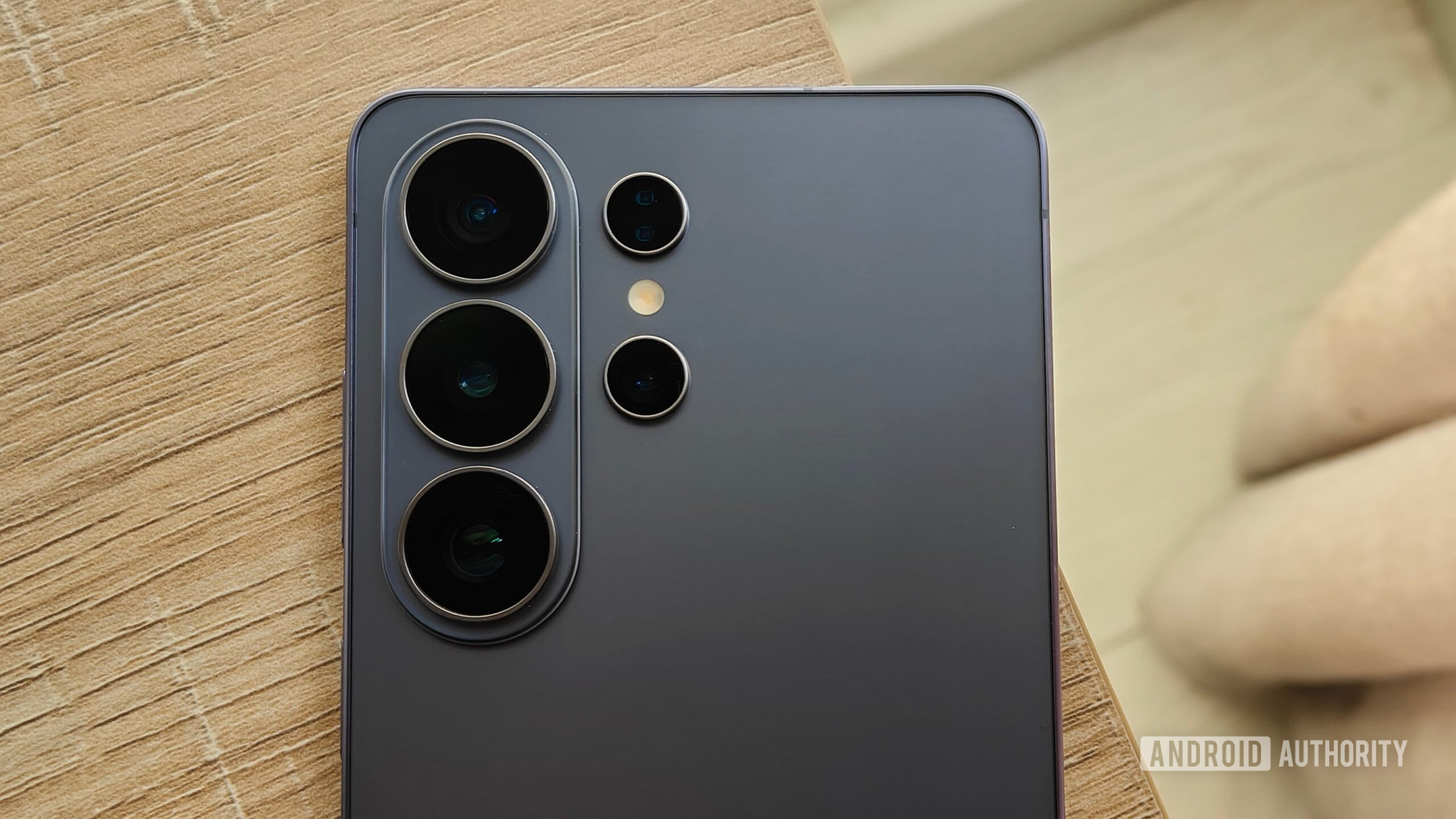
Camera Hardware Trajectory:
Recent reports indicate that Samsung may maintain its current camera sensor configuration for the upcoming Galaxy S27 series, potentially extending a multi-year cycle of hardware consistency. While the Galaxy S26 Ultra’s 5x optical zoom and imaging capabilities remain highly regarded, the lack of a significant physical sensor upgrade has drawn scrutiny from analysts. Samsung continues to rely on iterative refinements and aggressive software-driven computational photography, including advanced image signal processors and AI algorithms, to enhance color accuracy and low-light performance. This approach has ignited a broader industry debate regarding whether software optimization is reaching the point of diminishing returns compared to hardware-led sensor innovation.
New Privacy-Focused Model:
In an effort to differentiate its flagship offerings, Samsung is reportedly developing the Galaxy S27 Pro, a compact flagship designed to bridge the gap between the standard S27 and the S27 Ultra. This model is expected to feature a 6.47-inch form factor and incorporate Samsung’s proprietary hardware-based Privacy Display technology, which was previously exclusive to the S26 Ultra. By physically limiting viewing angles to protect sensitive on-screen content, Samsung aims to capture the premium compact market while offering a security-centric value proposition that distinguishes it from competitors like Apple.
Strategy and Market Positioning:
Samsung’s current strategy balances incremental hardware updates with specialized security and software-led differentiation. The inclusion of high-end components like the Snapdragon 8 Elite Gen 6 Pro highlights a commitment to premium performance, even as hardware sensors remain iterative. The success of the S27 series will ultimately hinge on whether consumers prioritize these security-focused hardware layers and AI integrations over the industry-wide trend of annually escalating physical camera specifications.
Pulse Intelligence
AI AnalysisContext & Background
- Samsung has transitioned from high-power 10x optical zoom to 5x sensors in recent Ultra models to prioritize resolution and lens quality.
- Hardware-based Privacy Display technology was introduced earlier this year exclusively for the S26 Ultra model.
- Samsung has historically utilized iterative hardware updates, supplemented by strong software and AI image processing, to define its flagship line.
Key Consequences
- The introduction of a 'Pro' model could successfully bridge the gap for users who desire compact form factors with flagship-level power.
- Continued hardware stagnation in camera sensors may lead to lower upgrade motivation among enthusiasts who track raw technical specifications.
- Integration of hardware-based privacy features into more flagship tiers could set a new industry standard for screen security.
Market & Economic Impact
No direct market impact.