
June 16, 2026 at 03:06 PM 2 min readhealthevergreen
Frozen and Canned Produce: A Nutrient-Dense Alternative to Fresh Fruits and Vegetables
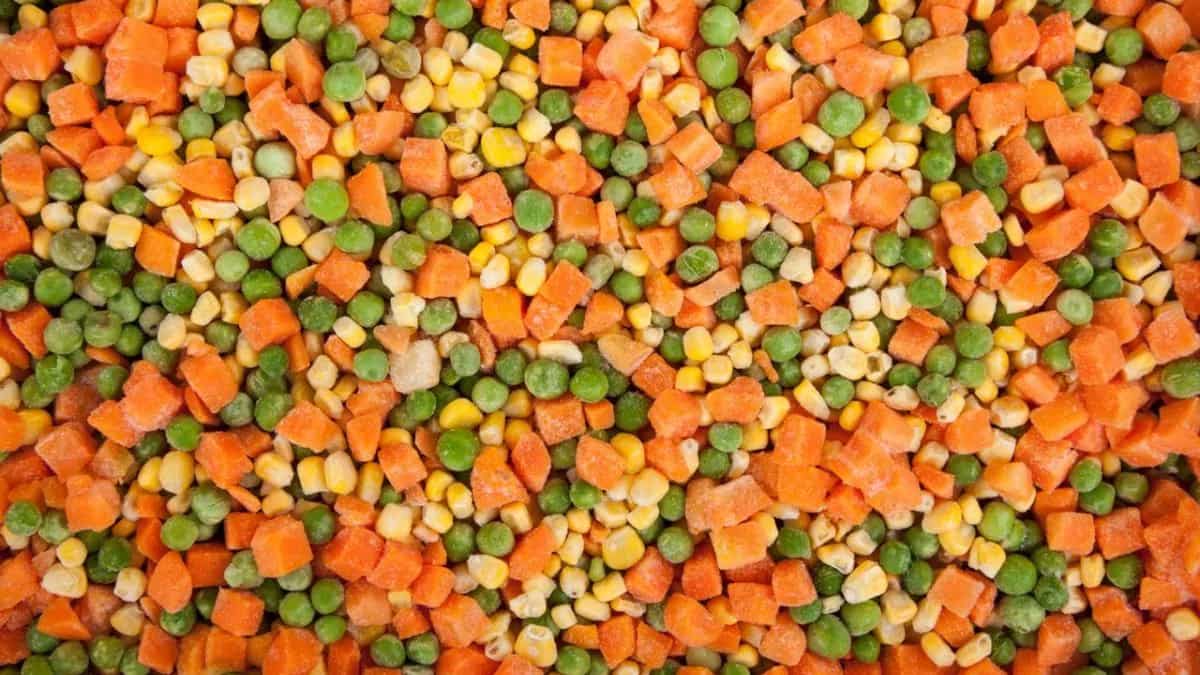
Nutritional Parity:
Emerging evidence supports the use of canned and frozen fruits and vegetables as viable, nutrient-dense alternatives to fresh produce, often rivaling their nutritional content. Contrary to the belief that fresh is always superior, produce processed via freezing or canning is typically harvested at peak maturity and treated immediately, which can better preserve essential vitamins and minerals compared to fresh items that have been refrigerated for extended periods. This makes them highly effective options for meeting daily health recommendations of two servings of fruit and five servings of vegetables.
Economic and Practical Benefits:
Beyond nutritional value, these processed options offer significant advantages in cost-effectiveness, reduced prep time, and lower food waste, particularly pertinent during periods of economic inflation. Industrial techniques, such as flash-freezing, preserve the structural integrity, color, and micronutrients of the produce, though caution is advised regarding improper handling like repeated thawing. Similarly, technological advancements in canning have allowed for lower-temperature processing, minimizing the loss of water-soluble vitamins like vitamin C, provided consumers remain mindful of added sodium and sugars.
Smart Consumer Choices:
To maximize the health benefits of these budget-friendly alternatives, consumers should adopt specific purchasing strategies. Opting for vegetables labeled no added salt or rinsed under water can significantly reduce sodium intake, while choosing fruits canned in natural juice rather than heavy syrup helps manage sugar consumption. By integrating these products, households can easily boost fiber and protein intake, using them as convenient, high-quality components in balanced meals that maintain nutritional density and long-term storage viability.
Pulse Intelligence
AI AnalysisContext & Background
- Health organizations generally recommend daily consumption of diverse fruits and vegetables to reduce the risk of chronic conditions like heart disease.
- The global cost-of-living crisis has intensified the search for affordable, long-lasting dietary alternatives to fresh produce.
Key Consequences
- Consumers may increase their overall intake of essential nutrients by incorporating more frozen and canned options into their daily diets.
- Reduced food waste at the household level could lead to improved kitchen economics and better budgeting during inflationary periods.
Market & Economic Impact
No direct market impact.