
July 1, 2026 at 02:55 AM 2 min readindiaanalysisAI Image
Finance Ministry Calls For Agricultural Pricing Policy Overhaul
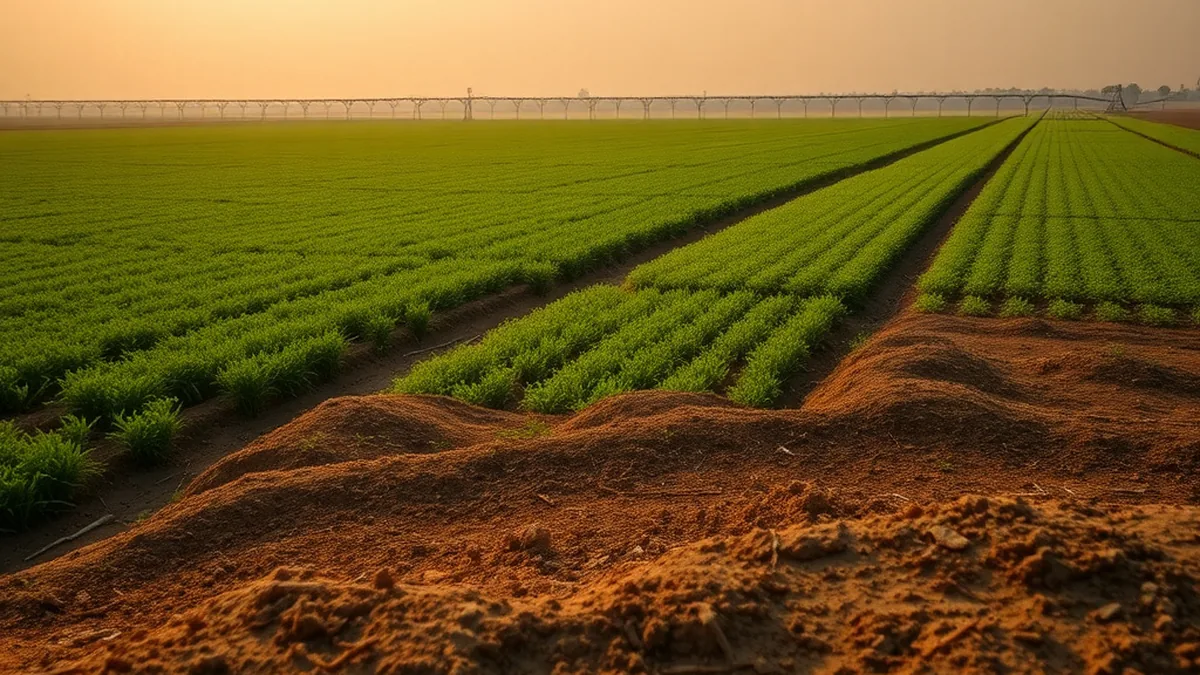
Agricultural Pricing Strategy:
The Union Finance Ministry has issued a directive calling for an immediate reorientation of agricultural pricing policies to address the looming challenges of a climate-impacted season. Current reports indicate a significant 22% decline in the total area sown under kharif crops for June, a development largely driven by concerns over below-normal monsoon predictions. The government is pushing for a shift that incentivizes the cultivation of climate-resilient crop varieties while simultaneously discouraging the planting of water-intensive crops in regions prone to severe shortages.
Water Security and Buffers:
Beyond price restructuring, the ministry has elevated the creation of water buffers to a top national priority. This move follows rising concerns about the potential for systemic supply shocks if the monsoon fails to meet expectations. The ministry argues that current water management practices are insufficient to withstand the volatility of modern climate patterns. By integrating better water harvesting and storage infrastructure into the agricultural framework, the government aims to insulate the rural economy from the worst effects of erratic rainfall and fluctuating groundwater levels.
Economic and Social Implications:
The policy focus highlights the government's growing concern over food security and the economic stability of the farming sector. By aligning market incentives with sustainable environmental practices, the ministry hopes to stabilize long-term production while ensuring that farmers maintain reasonable income levels. The immediate impact will involve closer monitoring of agricultural input costs and the expansion of state-led water conservation initiatives. Observers will be watching how regional agricultural boards implement these shifts in pricing and whether these measures can successfully mitigate the pressure on rural supply chains during the coming months.
Pulse Intelligence
AI AnalysisContext & Background
- The Indian agricultural sector has faced increasing pressure from climate volatility, which directly impacts the national kharif production targets.
- The Finance Ministry regularly reviews agricultural pricing policies to ensure they align with broader economic stability and food security goals.
Key Consequences
- Farmers may be encouraged to transition toward climate-hardy crops, which could alter current seasonal planting patterns.
- Increased government investment in water buffer infrastructure is likely to become a central focus for state budgets.
Market & Economic Impact
Agricultural sector stocks and food commodity prices may react to shifting policy incentives regarding water usage and crop selection.