
June 17, 2026 at 03:06 AM 2 min readhealthanalysis
Fibroblast Pathways Linked to Angiogenesis Differences in NSCLC
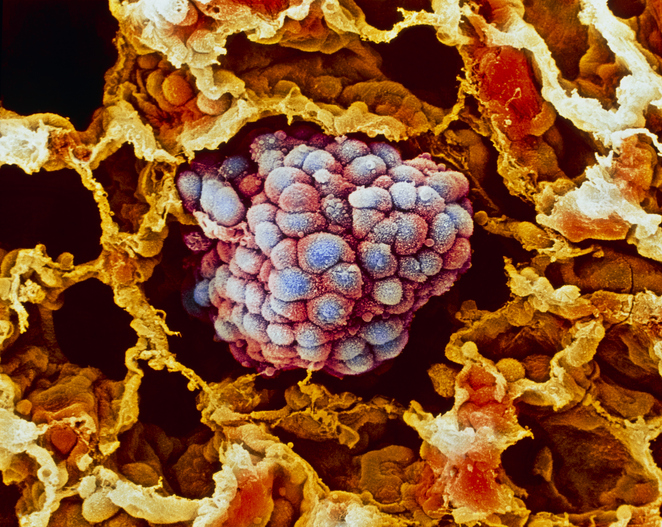
Fibroblast Signaling in Lung Cancer:
Recent research has identified specific fibroblast signaling pathways that directly influence angiogenesis—the process of new blood vessel formation—within Non-Small Cell Lung Cancer (NSCLC) tumors. These pathways are proving to be pivotal in determining how tumors thrive, expand, and develop resistance to conventional therapies, providing a new target for precision medicine strategies.
Drivers of Treatment Resistance:
The study highlights how the tumor microenvironment, specifically the interaction between cancer-associated fibroblasts and vascular structures, contributes to drug resistance. By manipulating these signaling pathways, researchers aim to improve the efficacy of existing antibodies and targeted therapies that seek to starve tumors of their blood supply, effectively reducing tumor size in aggressive lung cancer subtypes.
Implications for Oncology:
These findings are critical for the development of personalized treatment protocols. For patients in India battling NSCLC, understanding these fibroblast mechanisms offers hope for better survival outcomes through combined therapeutic approaches. Pharmaceutical research is now prioritizing these pathways to refine antibody treatments, marking a significant step forward in oncological precision.
Pulse Intelligence
AI AnalysisContext & Background
- Non-Small Cell Lung Cancer represents one of the most common and complex forms of lung malignancy worldwide.
- Traditional chemotherapy often faces challenges due to tumor microenvironment interactions that promote drug resistance.
Key Consequences
- Targeted therapies focusing on fibroblast pathways may become standard in clinical trials for NSCLC.
- Oncologists may gain a more nuanced approach to treating drug-resistant lung cancer patients.
Market & Economic Impact
No direct market impact.