
July 1, 2026 at 11:40 AM 2 min readtechanalysis
Extreme Heat Threatens Critical Data Center Infrastructure
Rising Heat Vulnerability:
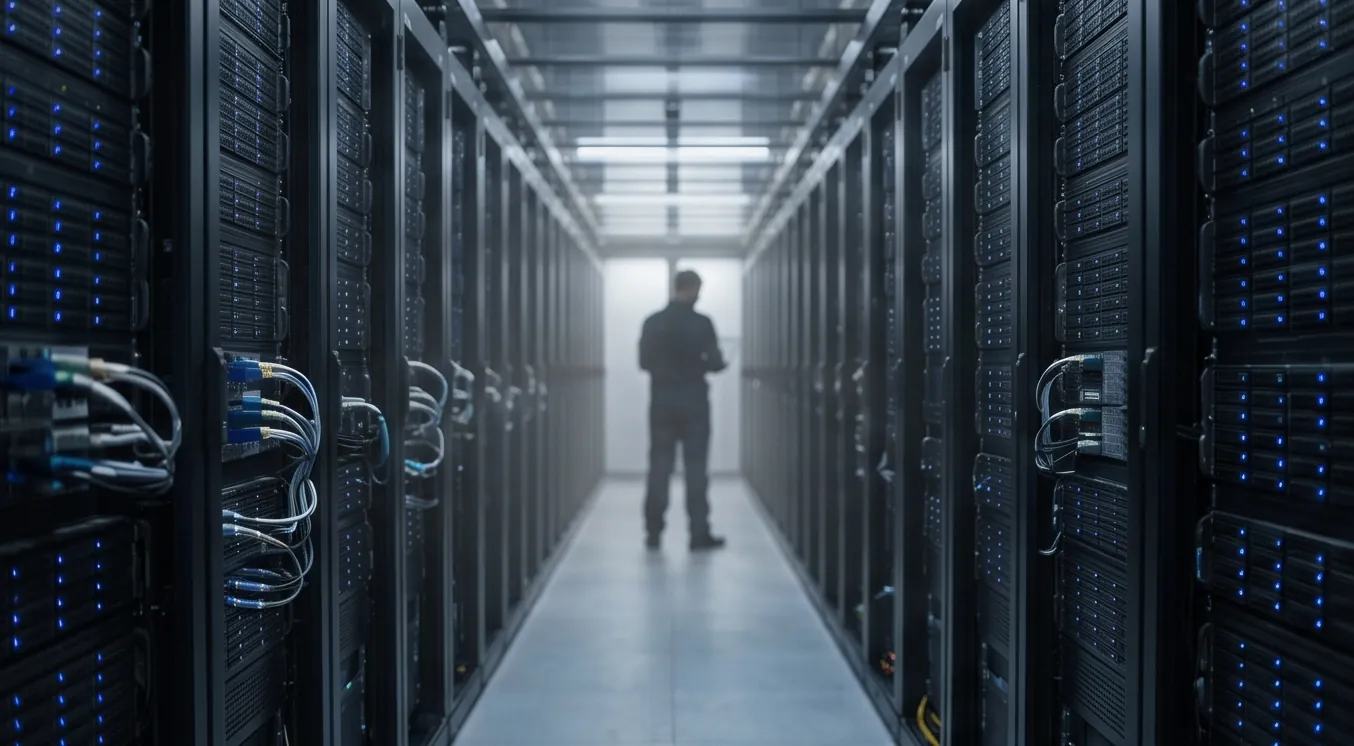
Extreme global temperatures are increasingly threatening the operational stability of essential technology infrastructure, particularly massive data centers. As mercury levels hit record highs, cooling systems designed for moderate climates are struggling to maintain the strict environmental conditions required for server uptime. Recent reports highlight that cooling capacity is failing more frequently, leading to unplanned downtime and hardware damage across the tech sector. The urgency is compounded by the high energy requirements of AI-compute clusters, which generate massive heat density, requiring constant, reliable thermal management.
The Collision of AI and Weather:
The current AI boom is placing unprecedented demand on physical infrastructure that was never built to withstand current climate realities. Data centers are not only dealing with ambient heat but are also facing scrutiny over their environmental footprint, specifically regarding water usage for evaporative cooling. Studies now indicate that the carbon and resource cost of these facilities is significantly higher than previous estimates suggested. This intersection of rising ambient temperatures and the extreme heat generated by high-density AI processors creates a dual-threat environment that could lead to operational failure in aging facilities.
Future Infrastructure Resilience:
Tech operators must rethink design strategies to ensure long-term viability in an warming world. Industry experts are advocating for a transition toward liquid cooling technologies and improved heat-rejection designs that rely less on traditional air-based systems. For India, this has significant implications as the country expands its data center capacity to support a burgeoning digital economy. Ensuring that new infrastructure is climate-resilient is essential to prevent future service outages. Regulators are also expected to increase oversight regarding the resource intensity of these facilities, making sustainability and thermal efficiency core components of future expansion strategies.
Pulse Intelligence
AI AnalysisContext & Background
- Data centers have historically been located in cooler regions, but the demand for lower latency is pushing facilities toward diverse global locations, including tropical zones.
- AI development has accelerated the shift toward high-density server configurations, which significantly increase the thermal output per rack.
Key Consequences
- Data center operators will likely face higher capital expenditure requirements to retrofit facilities with advanced cooling systems.
- Increased regulatory scrutiny regarding the water and energy consumption of data centers is expected in the coming months.
Market & Economic Impact
Energy and HVAC cooling technology companies may see long-term demand growth as data centers prioritize thermal resilience and efficiency upgrades.