
July 6, 2026 at 02:07 PM 2 min readmarketsdeveloping
Energy Market Shifts: Oil Relief and Coal Outlooks
Energy Supply Normalization:
India's energy sector shows signs of stabilization as Middle East LNG supply chains resume, allowing the country to withdraw recent consumption restrictions. This restoration of natural gas inflows provides critical relief for domestic energy infrastructure. Simultaneously, Oil Marketing Companies (OMCs) are nearing a break-even point on petrol and diesel pricing, which may eventually lead to greater stability in retail fuel costs across the country.
Coal Boom Potential:
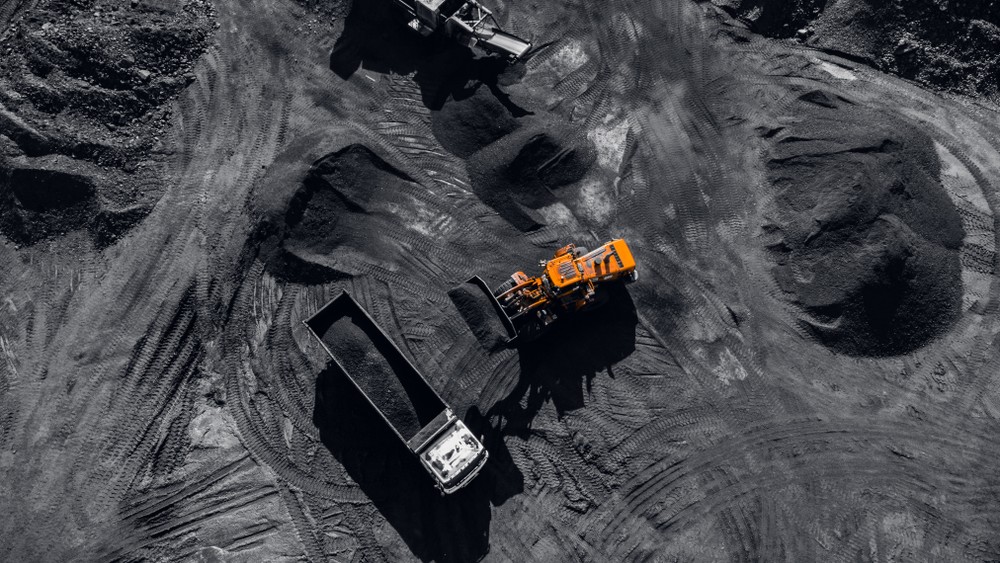
Beyond immediate gas relief, longer-term climatic events are reshaping energy expectations. Meteorological forecasts of a super El Niño are driving projections for a significant coal boom within India. As temperature extremes influence power demand, thermal energy remains a central pillar of India's grid strategy to maintain capacity. This expected surge in coal demand highlights the ongoing tension between short-term stability and long-term energy transition goals.
Economic Significance:
These developments in energy commodities are vital for India's trade balance and inflationary pressures. The reduction of gas curbs and the potential normalization of retail fuel rates represent a welcome development for consumers and industrial users. Observers remain cautious, however, regarding how potential coal-centric policies will interact with existing green energy targets. The alignment of these energy factors suggests a transition phase for the national grid, with immediate relief providing a buffer while structural demands from power consumption patterns evolve.
Pulse Intelligence
AI AnalysisContext & Background
- India recently implemented temporary gas consumption curbs due to supply chain disruptions in the Middle East.
- Global energy markets have been sensitive to shifting geopolitical tensions and climatic forecasts affecting regional demand.
Key Consequences
- Domestic manufacturing and energy-intensive sectors should expect consistent gas availability in the near term.
- Retail fuel prices may see reduced volatility as OMCs stabilize their margins against global crude costs.
Market & Economic Impact
Stabilizing fuel margins and the resumption of LNG supplies act as positive signals for industrial production and consumer price stability.