
July 8, 2026 at 01:44 PM 2 min readautoAI Insights
Electric Vehicle Sales Hit Record High as Government Mandates Cybersecurity Audits
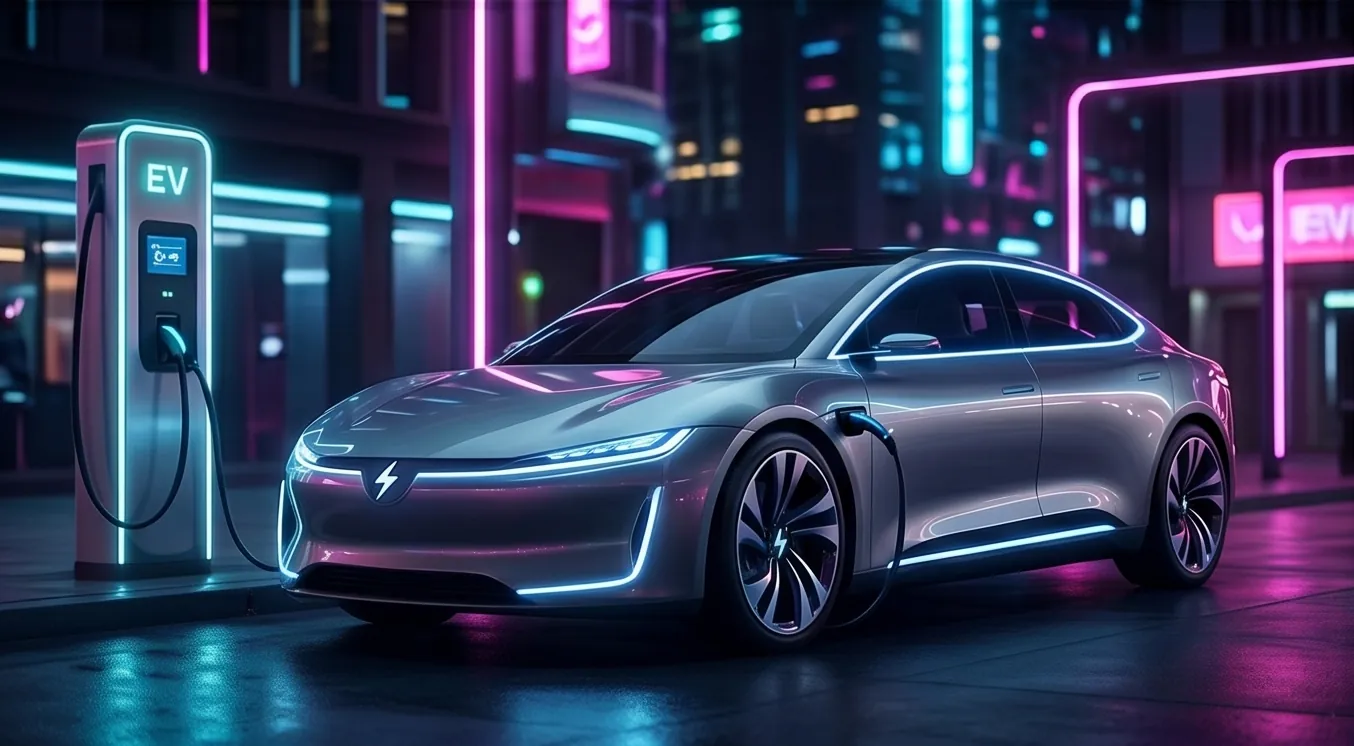
[The EV Surge]:
Electric vehicle retail sales in India reached an unprecedented high in June 2026, with 306,220 units sold. This represents a 63% year-on-year growth, pushing overall EV penetration beyond 12% for the first time. The State Bank of India projects that EVs could capture 20% of the total automotive market by 2030, potentially saving the nation approximately ₹1 lakh crore in crude oil imports.
[Infrastructure Challenges]:
Despite the rapid adoption, the charging network remains a bottleneck. India currently operates 29,151 public charging stations, with only 30% being high-capacity fast chargers. Karnataka and Maharashtra dominate the landscape with a 35% share of the network. To bridge this gap, the Delhi government plans to expand its network from 9,000 to 32,000 stations over the next four years, mandating charging points at all vehicle dealerships.
[Cybersecurity Focus]:
As vehicles become increasingly connected, the Central government has issued a mandatory advisory for manufacturers to conduct comprehensive security audits of software and electronic systems. This move addresses growing concerns over potential hacking risks in EVs and commercial vehicles, following the recent removal of three mobile applications due to security vulnerabilities. Manufacturers are now required to ensure that their digital ecosystems are resilient against emerging cyber threats.
Pulse Intelligence
AI AnalysisContext & Background
- EV penetration in India crossed the 12% threshold for the first time in June 2026.
- The Delhi EV Policy 2026 introduces a single-window clearance system for charge point operators.
- The government recently removed three mobile applications due to specific EV cybersecurity concerns.
Key Consequences
- Automakers will face stricter regulatory oversight regarding the software security of connected and electric vehicles.
- Charging infrastructure expansion will accelerate in urban centers like Delhi to meet the 2030 penetration targets.
- Investment in cybersecurity for automotive components will become a mandatory operational cost for manufacturers.
Market & Economic Impact
Not applicable.