
June 17, 2026 at 10:05 AM 2 min readautoanalysis
Electric Scooters Surge as Preferred Urban Commute in India's Net-Zero Drive
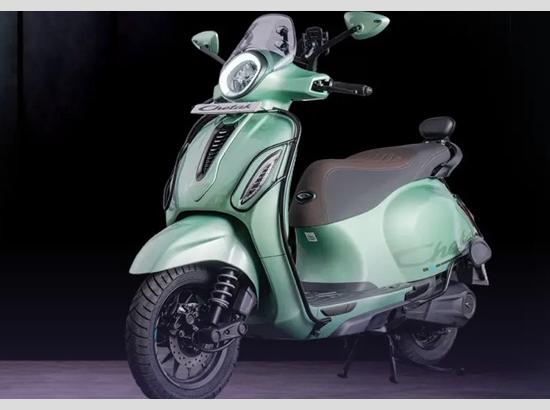
Urban Mobility Transformation:
As Indian cities grapple with rising fuel costs and increasing traffic congestion, electric scooters have emerged as a primary solution for sustainable urban commuting. The adoption of these vehicles has become an integral part of India’s national effort to reach net-zero emission goals. Consumers are increasingly transitioning to electricity-powered transport, recognizing that electric scooters offer significant long-term cost savings, simplified maintenance due to fewer mechanical components, and the convenience of home charging, which eliminates the need for frequent trips to fuel stations.
Model Diversification:
Manufacturers are responding to this trend by diversifying their offerings to cater to a spectrum of user needs, ranging from cost-conscious first-time buyers to those seeking high-end connectivity features. The Bajaj Chetak range, for instance, serves as a practical example, offering models like the C2501 for entry-level usage and the 3501 and 3502 variants for users requiring premium performance and smart technology. Features such as integrated navigation, geofencing, and theft-proofing have shifted the perception of these vehicles from basic transportation to smart, connected tools for daily life.
Strategic Importance for Sustainability:
The integration of electric scooters into daily commuting patterns is not merely a lifestyle choice but a fundamental pillar of India's long-term environmental strategy. By reducing the national reliance on fossil fuels, these vehicles play a direct role in mitigating urban pollution. As battery technology improves and charging infrastructure becomes more standardized, the role of electric scooters is expected to grow, making them an indispensable element of a greener, more efficient transportation network.
Pulse Intelligence
AI AnalysisContext & Background
- India has prioritized the transition to electric mobility as part of its commitments under various global net-zero emission frameworks.
- Major OEMs like Bajaj, TVS, and Ola have recently scaled up their investment in localized manufacturing and software-integrated hardware for EVs.
Key Consequences
- The continued shift toward electric scooters will likely accelerate the development of charging networks across Indian metropolitan areas.
- Increased demand for smart, connected two-wheelers will drive further innovation in software-based vehicle management and security systems.
- Lower operational costs for consumers will continue to support steady growth in electric vehicle penetration rates.
Market & Economic Impact
The widespread adoption of electric scooters is shifting market capital away from traditional ICE two-wheeler manufacturers toward EV-focused innovation and sustainable infrastructure.