
July 3, 2026 at 05:06 AM 2 min readautoanalysis
E20 Fuel Program Sparks Debate Over Engine Longevity and Maintenance Costs
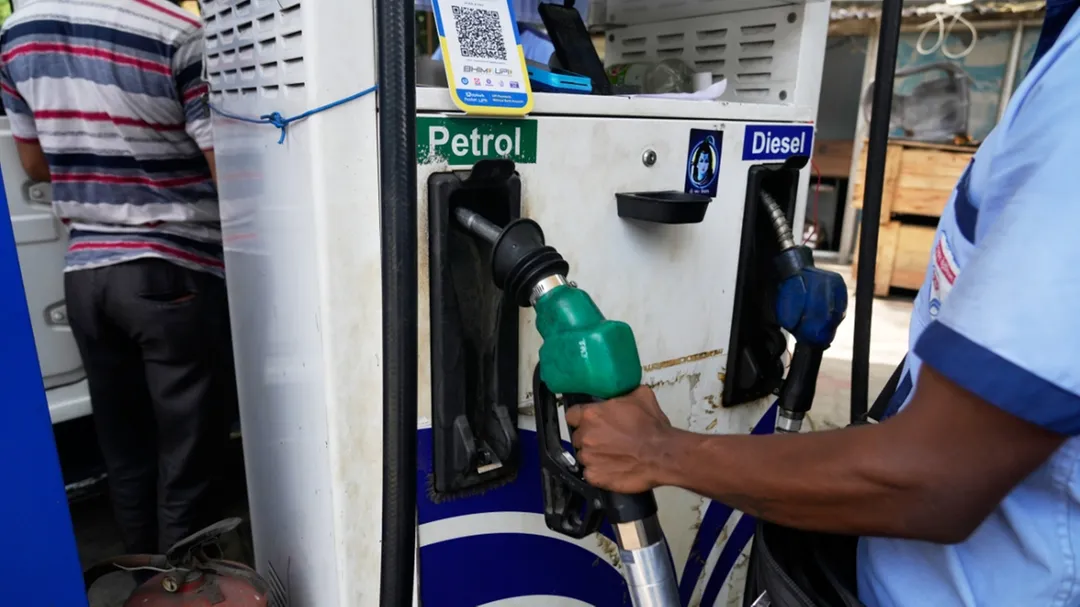
E20 Fuel Performance:
The government's E20 fuel initiative—a blend of 20% ethanol and 80% petrol—has sparked a significant national debate regarding vehicle longevity. While Oil Minister Hardeep Singh Puri recently defended the program by citing ethanol’s high-octane performance in racing, many motorists report increased maintenance issues with older vehicles. The primary concern is that engines not specifically designed for high-ethanol concentrations may face accelerated degradation. Consumers are particularly worried about the premature wear of fuel lines, seals, and rubber gaskets, which ethanol’s chemical properties can compromise.
Legal and Industry Context:
The debate has reached the Supreme Court, where the Attorney General clarified that the E20 rollout is not merely an experiment but a strategic move toward energy security. Authorities have confirmed that testing will continue through 2027 to assess the fuel's long-term viability. Industry surveys indicate that while new cars are built to be E20-compliant, the lack of long-term compatibility data for older vehicles has created a burden on consumers. The government maintains that mileage drops are minimal and that reducing crude oil import bills is a vital national objective.
Future Outlook:
As the government pushes forward, pilot programs for E25 blending are already underway, with results expected by late 2027. The automotive industry is now under increased pressure to provide better guidance regarding vehicle compatibility and specialized maintenance. Moving forward, the government must balance its aggressive ethanol-blending targets with the need for better technical support for the existing vehicle stock. Consumers should monitor official advisories closely, as the transition to higher ethanol content will remain a central theme in Indian automotive policy for the foreseeable future.
Pulse Intelligence
AI AnalysisContext & Background
- The Indian government is implementing the E20 fuel program to significantly increase ethanol usage in petrol to lower oil import costs.
- The Ministry of Petroleum and Natural Gas has set ambitious targets for E20 adoption, affecting millions of vehicle owners.
- Earlier judicial concerns focused on whether the rollout was an experimental phase or a formal, long-term policy.
Key Consequences
- Motorists may face rising vehicle maintenance costs due to accelerated wear on older engines unoptimized for higher ethanol content.
- The automotive industry might see a surge in demand for specialized fuel-system retrofitting parts or performance-enhancing additives.
- The government will likely continue E20 trials through 2027 while refining technical standards and compatibility advisories for the automotive sector.
Market & Economic Impact
Automobile manufacturers may face increased consumer pressure to clarify engine compatibility, potentially impacting sales of certain older models.