
July 10, 2026 at 02:03 PM 2 min readautodeveloping
Centre Rejects Demand for Multi-Grade Petrol Retail at Pumps
Government Policy Clarification:
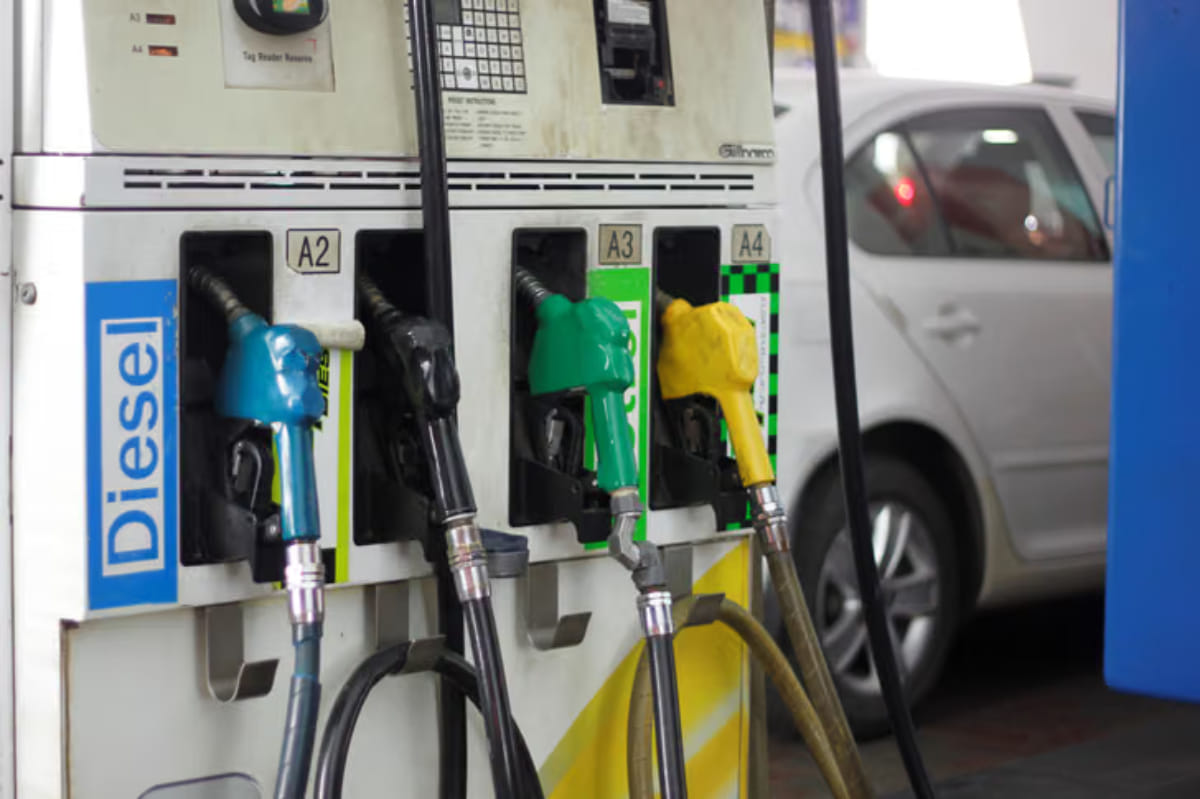
The Ministry of Petroleum and Natural Gas has officially ruled out the option of offering pure petrol and varying ethanol-blended grades like E10 alongside the existing standard E20 across India's retail network. In a detailed FAQ release, the ministry stated that maintaining multiple fuel grades would create an enormous logistical and financial burden on India’s vast distribution network, which comprises over one lakh retail outlets. Officials asserted that the current infrastructure is optimized for E20, and shifting focus would compromise operational efficiency and inventory management.
Strategic Rationale for E20:
The government remains steadfast in its support for the E20 blending program, arguing that the cleaner fuel offers superior performance characteristics, including a higher octane rating, better anti-knock properties, and lower emissions. The ministry acknowledged minor concerns regarding fuel economy, noting a marginal 3-5% drop in some vehicles, but emphasized that this is a trade-off for significant energy security and farmer welfare benefits. Massive public and private investments, exceeding ₹1 lakh crore annually in ethanol production infrastructure, have further cemented E20's position as the nationwide standard.
Future Outlook and Public Reception:
Despite public concern regarding vehicle compatibility and potential component wear, the ministry insists that field data—citing evidence from major manufacturers like Maruti Suzuki and Hero MotoCorp—shows no systemic evidence of corrosion or abnormal engine wear. While recent reports have suggested that higher ethanol blends like E25 may face delays due to this backlash, the government is committed to its current ethanol roadmap. The focus remains on strengthening supply chain efficiency rather than expanding retail choice, as the ministry continues to prioritize national resource utilization over the logistical complexity of maintaining multiple petrol variants.
Pulse Intelligence
AI AnalysisContext & Background
- India reached a national milestone by achieving 20% ethanol blending in petrol, known as the E20 standard, in the previous supply year.
- There has been public and consumer debate regarding the compatibility of high-ethanol fuels with older, legacy internal combustion engines.
Key Consequences
- Automotive manufacturers will continue to calibrate engines specifically for the E20 fuel standard.
- Logistical costs for fuel distribution will remain controlled as retailers focus on a single, standardized fuel grade.
Market & Economic Impact
Automotive sector manufacturers maintain stable production costs; government infrastructure investment remains protected.