
July 8, 2026 at 12:35 PM 2 min readtechanalysis
DIY DeX Box Highlights Google Pixel Desktop Ambitions
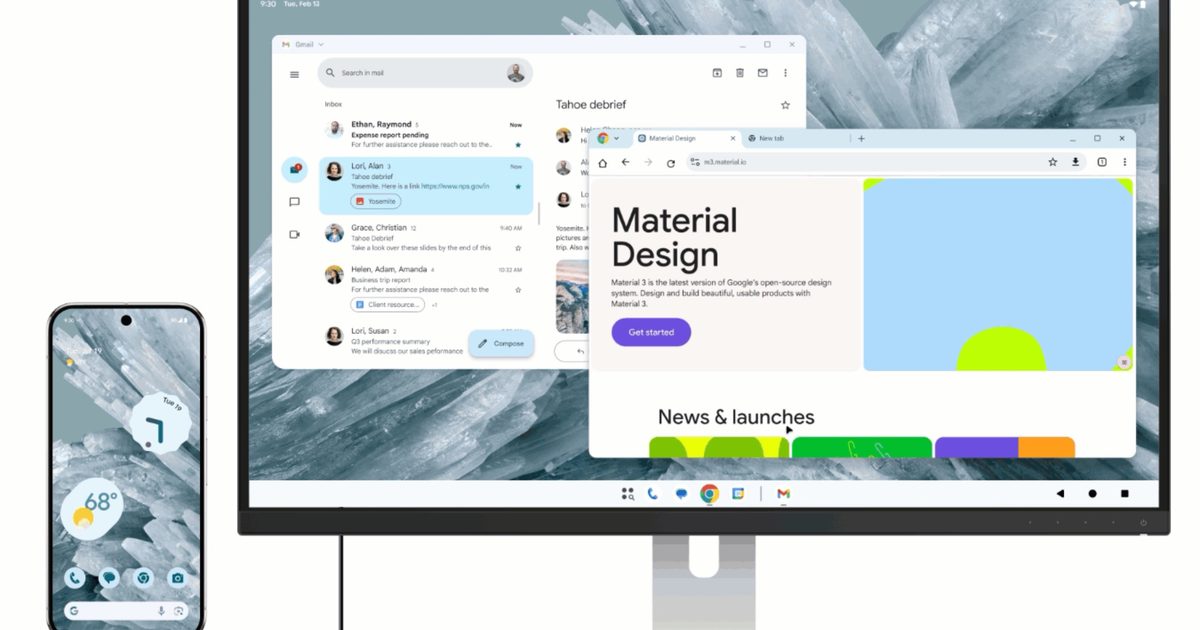
Experimental Desktop Integration:
An innovative project featuring a repurposed Galaxy Fold 5 has demonstrated the potential for mobile-to-desktop computing transitions, drawing stark comparisons to Google’s current Pixel desktop strategy. By creating a custom DeX-style interface from a damaged foldable device, enthusiasts have showcased a functional productivity environment that arguably outperforms current official offerings. This development highlights a growing gap between what power users demand from mobile hardware and the existing, more conservative desktop ambitions pushed by major smartphone manufacturers.
Software Ecosystem Limitations:
Google’s approach to desktop integration for the Pixel series has been widely characterized as timid and unfinished compared to the more robust multi-tasking interfaces seen on platforms like Samsung's DeX. The internal logic behind this current limitation often centers on protecting distinct tablet and PC product lines from cannibalization by high-end smartphones. However, as the performance of mobile chipsets continues to climb, the artificial barriers between handheld devices and desktop-class operating systems are becoming increasingly difficult for manufacturers to justify to their user base.
Future Development Implications:
The success of such DIY hardware hacks often serves as a blueprint for future software feature releases by large tech firms. While Google may be slow to adopt a full-fledged desktop mode for the Pixel series, the clear consumer interest in seamless workstation transformation is pressuring the company to rethink its software roadmap. Moving forward, the industry is likely to witness more aggressive integration of desktop-class features into mobile OS environments to remain competitive against modular computing hardware that bridges the divide between daily phones and full-featured desktop computers.
Pulse Intelligence
AI AnalysisContext & Background
- Google has consistently taken a more cautious approach to desktop-mode functionality compared to competitors like Samsung.
- The rise of high-performance mobile silicon has reignited consumer interest in utilizing smartphones as primary desktop workstations.
Key Consequences
- Increased pressure on Google to introduce more robust desktop-mode features in future Pixel software updates.
- DIY modular hardware projects are likely to grow in popularity as mobile chips become more powerful.
Market & Economic Impact
No direct market impact.