
June 17, 2026 at 10:05 AM 2 min readautoevergreen
Delhi Riders Persist With Petrol Bikes Despite Electric Vehicle Growth
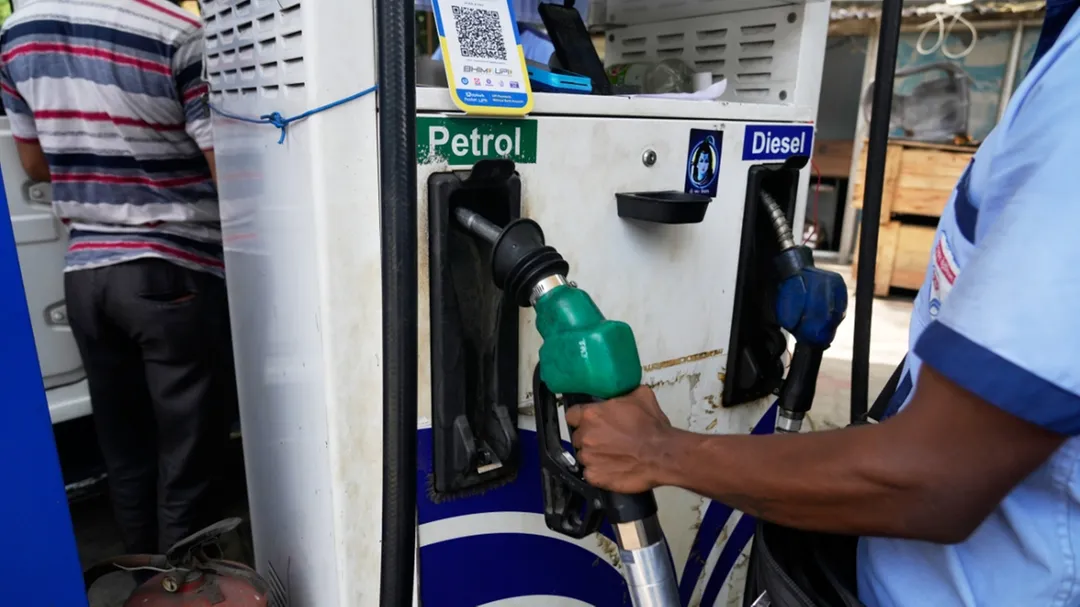
Transition Resistance in Delhi:
Despite the rising availability and government incentives for electric vehicles, many riders in Delhi continue to rely on traditional petrol motorcycles. Market observers note that while the electric transition is accelerating, significant segments of the commuting population remain tethered to internal combustion engines due to concerns regarding range anxiety and the existing refueling ecosystem.
Infrastructure and Behavioral Barriers:
The preference for petrol bikes is rooted in a mix of convenience, established infrastructure, and consumer comfort. For many urban riders, the ubiquity of petrol stations compared to the evolving network of charging points makes liquid-fuel vehicles the more predictable choice for daily navigation. Furthermore, the higher upfront costs associated with many high-performance electric two-wheelers continue to pose a barrier to widespread adoption among price-sensitive consumers.
Future Market Outlook:
The path toward mass electrification will likely depend on significant improvements in charging density and competitive pricing strategies. As the industry matures and more affordable models reach the market, the adoption gap between petrol and electric variants is expected to narrow. Industry stakeholders remain focused on optimizing the balance between infrastructure scaling and consumer education to facilitate a smoother transition.
Pulse Intelligence
AI AnalysisContext & Background
- The Indian government has launched various FAME schemes over recent years to subsidize electric two-wheelers and promote cleaner transport.
- Delhi has previously implemented specific air quality policies, including odd-even restrictions, to curb vehicular pollution in the national capital.
Key Consequences
- Sales of petrol-powered two-wheelers are expected to remain resilient in the short term until charging infrastructure becomes ubiquitous.
- Automakers are likely to ramp up investment in battery swap technology to address user concerns about waiting times at charging stations.
- Government bodies may consider further tax incentives to lower the total cost of ownership for prospective electric vehicle buyers.
Market & Economic Impact
No direct market impact.