
July 12, 2026 at 03:05 AM 2 min readautoAI Insights
Delhi Ratifies EV Policy 2.0 To Expand Charging Network To 32,000 Points
[Policy Overview]:
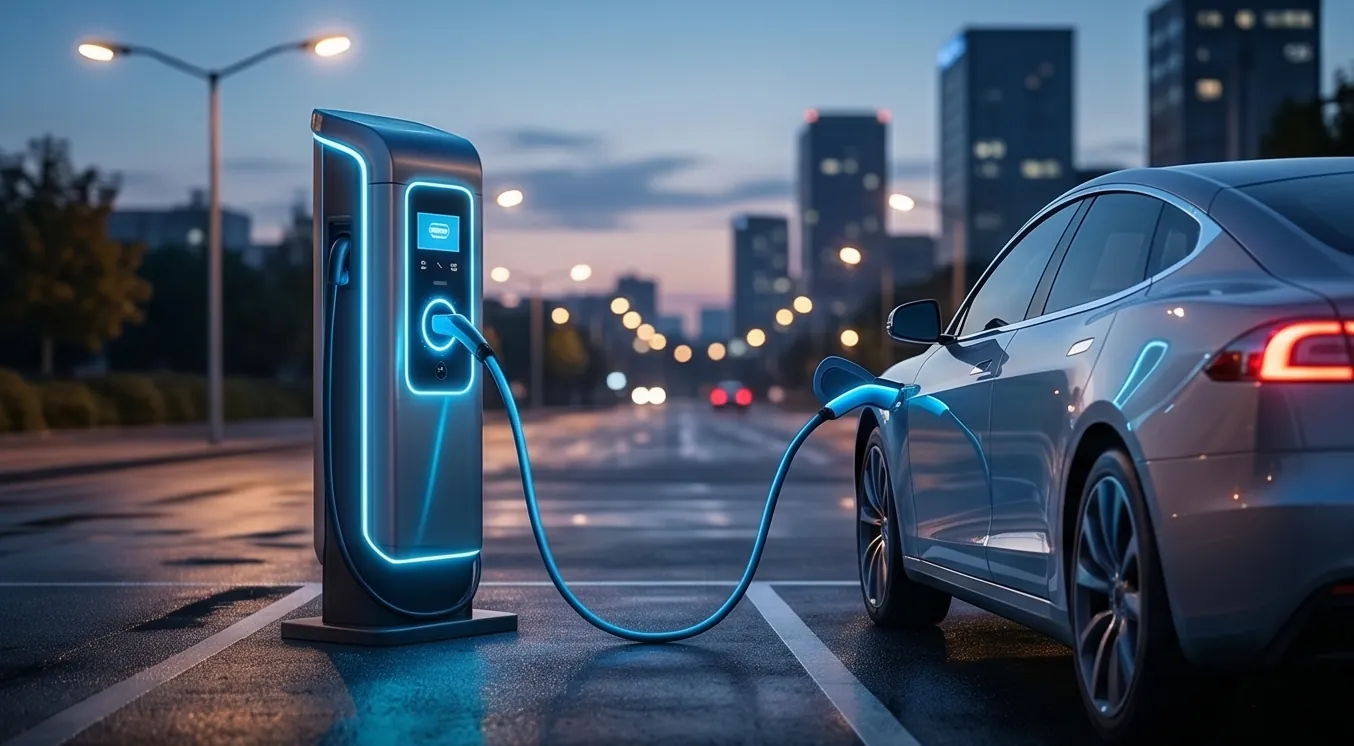
The Delhi government has officially ratified its Electric Vehicle (EV) Policy 2.0, a comprehensive framework designed to accelerate the adoption of electric mobility. The policy sets an ambitious target to increase the city's charging infrastructure from the current 9,000 points to 32,000 over the next four years. This expansion is critical to supporting the growing number of electric vehicles on Delhi's roads.
[Strategic Investment]:
To achieve these goals, the government plans to invest approximately ₹150 billion over the four-year period. Chief Minister Rekha Gupta has directed officials to prioritize the deployment of fast-charging technology and to phase out older, slower charging stations. Priority locations for new infrastructure include metro parking areas, DDA markets, government premises, and railway stations.
[Incentive Structure]:
Beyond infrastructure, the policy includes direct purchase subsidies for electric two-wheelers, three-wheelers, and commercial vehicles. It also introduces scrappage incentives for older Internal Combustion Engine (ICE) vehicles to encourage a faster transition to cleaner transport. With EV registrations in Delhi growing by nearly 70% between January and May 2026, the policy aims to sustain this momentum, particularly as two-wheelers continue to dominate the segment with a 51.9% share of new registrations.
Pulse Intelligence
AI AnalysisContext & Background
- Delhi has been a leader in India's EV adoption, supported by previous policy incentives.
- EV registrations in the capital saw a 70% growth rate in the first five months of 2026.
- Charging infrastructure has been identified as the primary bottleneck for mass EV adoption.
Key Consequences
- The expansion of charging points will likely reduce range anxiety for EV owners in Delhi.
- Increased subsidies are expected to further boost two-wheeler and commercial EV sales.
- The policy will likely serve as a model for other Indian states looking to scale EV infrastructure.
Market & Economic Impact
Not applicable.