
July 14, 2026 at 03:02 AM 2 min readindiabreaking
Delhi-NCR Receives Relief As Rainfall Lowers Summer Temperatures
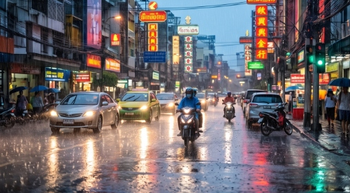
Monsoon Rainfall Impact:
Residents across Delhi and the National Capital Region (NCR) experienced significant relief from persistent heat today, July 14, as widespread rainfall swept through the region. The showers, accompanied by strong winds, led to a noticeable drop in temperatures, offering a welcome respite from the oppressive heat that has impacted the area for weeks. Intermittent drizzle continued throughout the day, significantly cooling the atmosphere.
Weather System Dynamics:
The India Meteorological Department (IMD) has forecasted further showers, indicating that these conditions are part of an active weather system currently influencing Northern India. The recent heatwaves prompted heavy reliance on cooling systems and municipal resources, making today's change in weather a relief for local residents and city infrastructure. Authorities have closely monitored the progression of these rain clouds as they moved across the plains.
Urban Infrastructure Challenges:
Despite the pleasant weather, the sudden influx of rain caused logistical challenges in various parts of the city. Significant waterlogging was reported in several low-lying areas, resulting in traffic congestion and slow vehicular movement during peak hours. Municipal teams were alerted to address drainage issues, while commuters were advised to plan their travel carefully as the intermittent drizzle continues to impact road conditions across the metropolitan area.
Pulse Intelligence
AI AnalysisContext & Background
- The Delhi-NCR region has experienced extended periods of intense heat over the past month, putting significant strain on urban power grids.
- The India Meteorological Department had previously signaled the arrival of active monsoon currents to replace the prevailing high-pressure heat systems.
Key Consequences
- Continued rainfall will likely ease the pressure on municipal water supplies and reduce electricity demand for air conditioning.
- Persistent waterlogging may cause ongoing traffic disruptions, forcing local authorities to accelerate drainage clearing efforts.
Market & Economic Impact
No direct market impact.