
July 2, 2026 at 03:17 AM 2 min readautoAI Insights
Delhi Launches EV Policy 2026 to Add 30,000 Charging Points
[Policy Launch and Objectives]:
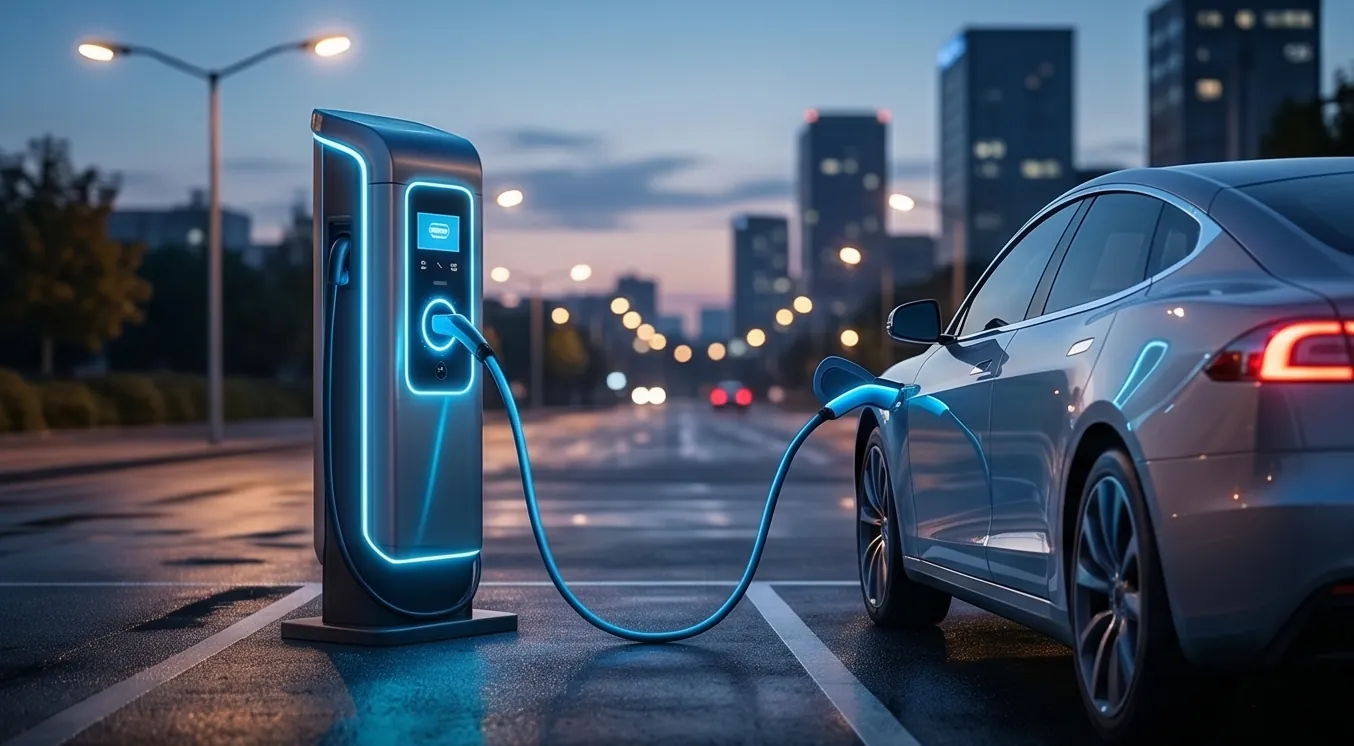
The Delhi Government officially implemented its new Electric Vehicle Policy 2026 on July 1, marking a significant push toward sustainable urban mobility. The policy aims to catalyze the installation of over 30,000 EV charging points across the capital by March 31, 2030, addressing one of the primary barriers to widespread electric vehicle adoption in the region.
[Investment and Infrastructure]:
The initiative is projected to attract nearly Rs 15,000 crore in investment over the next four years. To facilitate this, the government has introduced a single-window approval system to expedite permissions for charging station operators. Furthermore, all Original Equipment Manufacturers (OEMs) operating in Delhi are now mandated to deploy at least one public charging station at each of their dealerships.
[Implementation Framework]:
Delhi Transco Limited (DTL) has been designated as the nodal agency responsible for the planning and execution of the charging infrastructure network. By streamlining the regulatory environment and mandating private sector participation, the government intends to create a robust ecosystem that supports the growing number of electric vehicles on Delhi's roads, ensuring that charging accessibility keeps pace with consumer demand.
Pulse Intelligence
AI AnalysisContext & Background
- The Delhi EV Policy 2026 became effective on July 1, 2026.
- Charging infrastructure remains a critical bottleneck for EV adoption in major Indian cities.
- Delhi Transco Limited is the designated nodal agency for this infrastructure rollout.
Key Consequences
- Charging station operators will benefit from a simplified, single-window approval process.
- OEMs will face increased operational requirements to install charging points at dealerships.
- The policy is expected to significantly boost the local EV ecosystem and attract private capital.
Market & Economic Impact
The policy is expected to drive significant investment into the EV charging infrastructure sector in the National Capital Region.