
July 3, 2026 at 03:17 AM 2 min readautoAI Insights
Delhi Implements EV Policy 2.0 With Mandatory Charging Infrastructure Rules
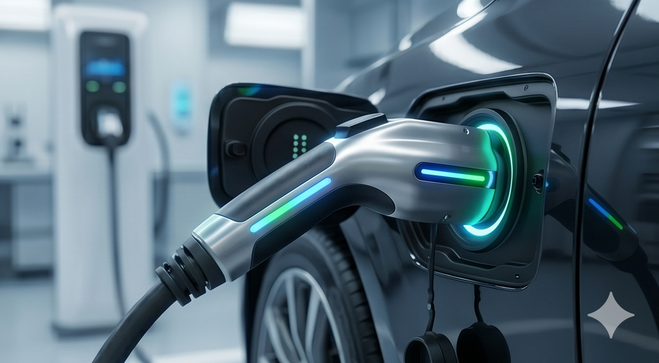
[Policy Implementation]:
The Delhi government has officially rolled out the Delhi Electric Vehicle Policy 2026 (EV Policy 2.0), effective July 1, 2026. This comprehensive policy introduces stringent mandates for Original Equipment Manufacturers (OEMs) operating within the capital. Every dealership is now required to install at least one public charging station, featuring a minimum of three charging points for two- and three-wheelers and two for four-wheelers, ensuring widespread accessibility for EV owners.
[Incentives and Support]:
To drive adoption, the government has allocated approximately ₹15,000 crore over the next four years. This funding supports a robust purchase incentive program, offering subsidies of up to ₹30,000 for electric two-wheelers and ₹50,000 for electric three-wheelers. Furthermore, electric cars priced up to ₹30 lakh will benefit from a 100% exemption on road tax and registration fees, significantly lowering the entry barrier for prospective buyers.
[Infrastructure Acceleration]:
The policy also streamlines the deployment of charging infrastructure through a new single-window clearance system for charge point operators and battery-swapping providers. By removing bureaucratic hurdles, the government aims to rapidly expand the network of charging stations across the city. This proactive approach is designed to alleviate range anxiety and create a seamless ecosystem for electric mobility, positioning Delhi as a leader in India's transition to sustainable urban transportation.
Pulse Intelligence
AI AnalysisContext & Background
- The original Delhi EV policy laid the groundwork for initial adoption and infrastructure growth.
- The government has been under pressure to address rising air pollution levels through transport electrification.
- Charging infrastructure has been identified as the primary bottleneck for mass EV adoption in Delhi.
Key Consequences
- Rapid expansion of public charging networks across all major automotive dealerships in Delhi.
- Increased sales of electric two- and three-wheelers due to substantial government subsidies.
- Lowered total cost of ownership for electric car buyers through tax and registration exemptions.
Market & Economic Impact
The policy is expected to significantly boost EV sales in the Delhi-NCR region and attract investment in charging infrastructure.