
July 14, 2026 at 10:17 AM 2 min readautoAI Insights
Delhi Government Launches EV Policy 2026 With New Scrapping Incentives
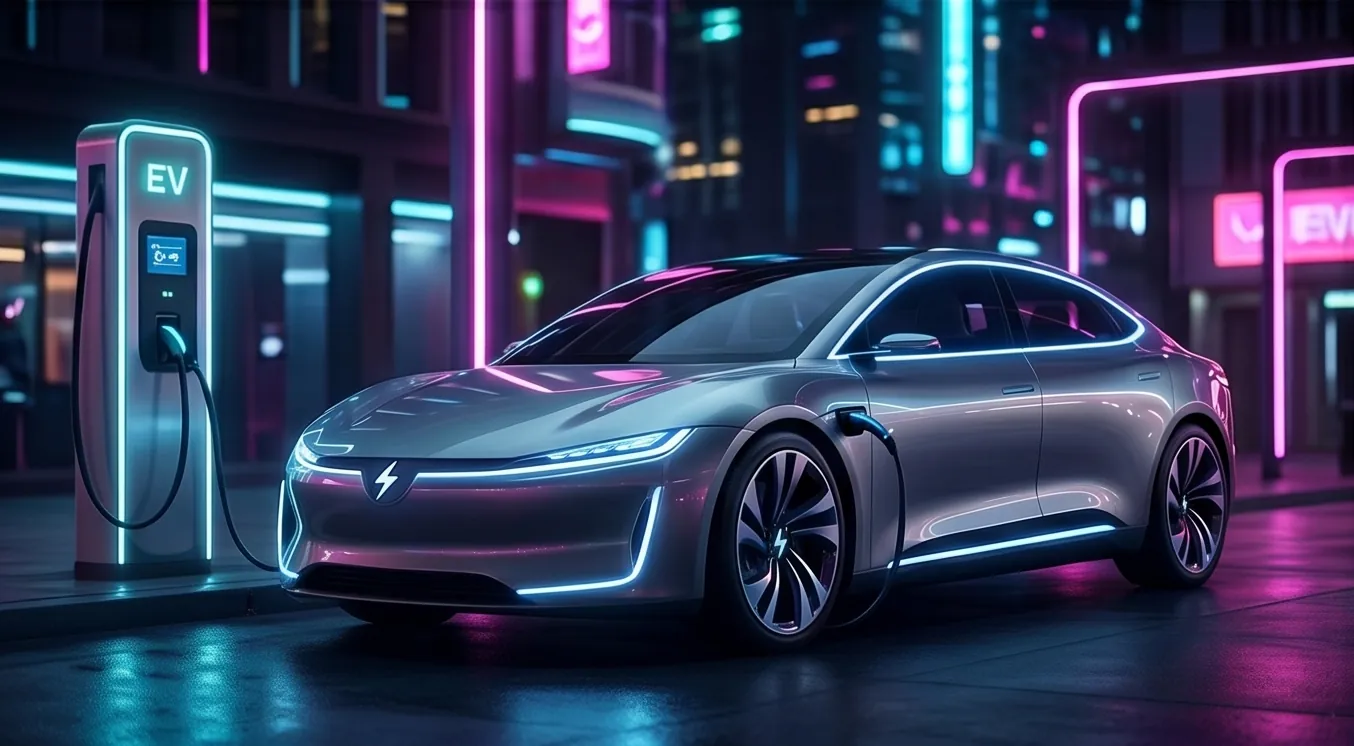
[The Policy Framework]:
The Delhi Government has officially implemented its EV Policy 2026, effective from July 1, 2026, through March 31, 2030. With a massive investment of approximately ₹15,000 crore, the policy aims to transform the capital's mobility landscape by incentivizing the adoption of electric vehicles and phasing out older, polluting internal combustion engine vehicles.
[Incentive Structure]:
A central pillar of this policy is the introduction of cash incentives for vehicle scrapping. Owners who scrap their old vehicles can receive ₹10,000 for two-wheelers, ₹25,000 for three-wheelers, and ₹50,000 for N1 trucks. Additionally, electric car buyers continue to benefit from road tax and registration fee exemptions, which can save them roughly ₹1.5-2 lakh on a vehicle priced at ₹20 lakh.
[Infrastructure Goals]:
Beyond financial incentives, the policy sets an ambitious target to establish over 30,000 charging points across Delhi. This focus on infrastructure is designed to alleviate range anxiety and encourage widespread EV adoption. By creating a comprehensive ecosystem, the government hopes to significantly reduce vehicular emissions and improve air quality in the national capital region over the next four years.
Pulse Intelligence
AI AnalysisContext & Background
- Delhi has historically struggled with high levels of air pollution, often linked to vehicular emissions.
- Previous EV policies in Delhi focused primarily on subsidies for two-wheelers and three-wheelers.
- The central government has been pushing for faster EV adoption through the FAME scheme and other national initiatives.
Key Consequences
- The scrapping incentives are expected to accelerate the retirement of older, high-emission vehicles in Delhi.
- The expansion of charging infrastructure will likely increase the viability of electric cars for daily commuters.
- Delhi's EV market is expected to see a surge in sales as the financial benefits become more accessible to consumers.
Market & Economic Impact
Not applicable.