
July 3, 2026 at 02:02 PM 2 min readmarketsanalysis
Crude Oil Prices Stabilize as H2CY26 Macro Triggers Emerge
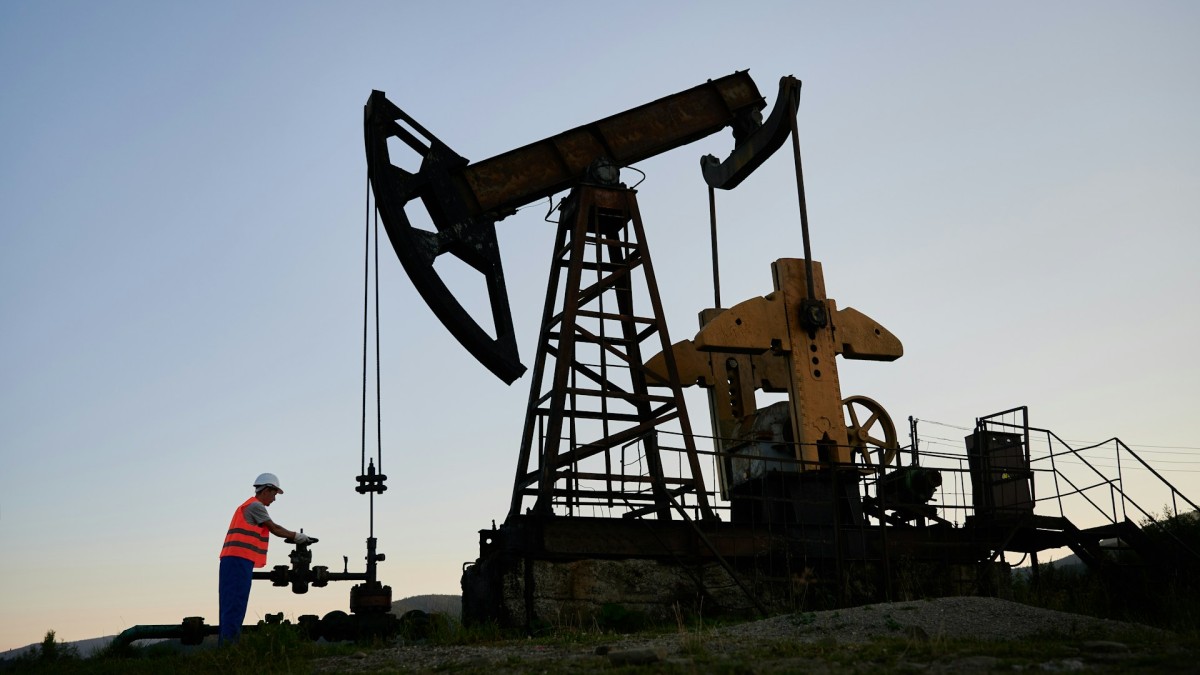
Oil Price Stability:
Crude oil prices have shown signs of stabilizing as fears surrounding supply disruptions in the Strait of Hormuz begin to recede. Market sentiment has improved, with analysts noting that the normalization of shipping traffic is helping to calm global energy markets. Experts from firms like Citi have indicated that if these supply corridors remain open and operational, oil prices could face downward pressure, potentially sinking toward the $60 per barrel level. This stabilization is being monitored closely by global commodity traders who remain wary of geopolitical tensions in the Middle East.
Indian Market Context:
For Dalal Street, the shift in crude pricing represents a critical macro trigger for the second half of the calendar year 2026. Falling oil prices are generally viewed as a positive development for India, a major net importer of energy, as they alleviate concerns regarding import bills and inflation. Market outlooks for H2CY26 remain cautiously optimistic, with experts suggesting that lower energy costs could support better profit margins for several sectors, although expensive equity valuations and uncertainties surrounding the monsoon season persist as moderating factors for market performance.
Future Outlook:
As the US and international markets brace for shifts in energy demand, the convergence of stabilizing oil flows and India's evolving macro environment remains the primary focus for institutional investors. While the prospect of lower crude prices provides a buffer against external inflationary shocks, analysts emphasize that domestic growth will depend heavily on corporate earnings and local weather patterns. Investors are advised to watch for signs of sustained stability in energy flows as a key signal for potential market buoyancy in the coming months.
Pulse Intelligence
AI AnalysisContext & Background
- India imports a large majority of its crude oil, making its economy sensitive to global price fluctuations.
- Supply chain disruptions in the Strait of Hormuz have historically driven spikes in global oil prices.
Key Consequences
- Lower crude oil prices may assist in easing domestic retail inflation if savings are passed on to consumers.
- Increased focus on Indian corporate earnings in H2CY26 as investors look for resilience against valuation concerns.
- Potential improvement in India's current account deficit if oil price stability continues through the fiscal year.
Market & Economic Impact
Oil price stabilization is a net positive for Indian markets, particularly for energy-intensive manufacturing and logistics sectors.