
June 26, 2026 at 05:08 PM 2 min readindiadeveloping
Government Removes Commercial LPG Supply Restrictions Following Stabilization Of West Asia Energy Routes
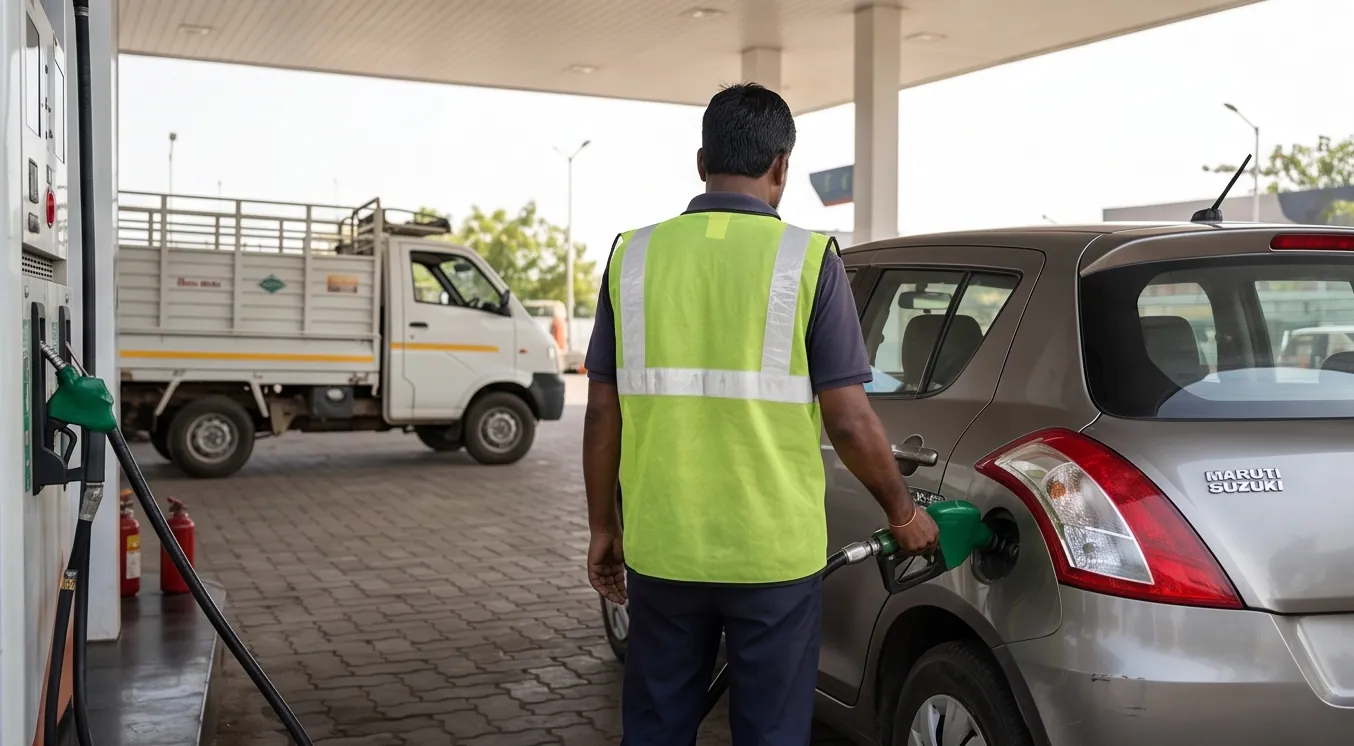
End of Emergency LPG Curbs:
The Indian government has officially revoked all sectoral restrictions on the supply of Non-Domestic Packed Liquefied Petroleum Gas (LPG), with the policy taking effect immediately. These measures were initially imposed under the Essential Commodities Act to manage fuel allocations following the mid-February 2026 regional conflict in West Asia, which temporarily forced the closure of the Strait of Hormuz. The Ministry of Petroleum and Natural Gas confirmed that commercial LPG availability has returned to pre-crisis levels for small businesses, hotels, and the restaurant industry.
Rationale Behind The Crisis Measures:
The restrictions were deemed necessary during the period of heightened volatility when coordinated military strikes in West Asia disrupted approximately 20% of global fuel transit. By capping non-domestic consumption, the administration sought to protect domestic gas availability and buffer the impact of acute transit bottlenecks. As shipping conditions through the critical maritime corridor have significantly improved, the need for these protective measures has dissipated, allowing the government to restore full commercial and industrial allocations.
Operational Outlook and Energy Transition:
While normalizing supplies, the government remains committed to its long-term strategy of accelerating the transition of industrial and bulk consumers to the Piped Natural Gas (PNG) network. Oil Marketing Companies (OMCs) have been directed to maintain a unified sectoral database to enhance future supply chain coordination and planning. The government aims to maintain an indigenous LPG production threshold of at least 40 TMT per day to ensure that future international market volatility does not compromise the nation's energy security.
Pulse Intelligence
AI AnalysisContext & Background
- In February 2026, coordinated military strikes in West Asia led to the closure of the Strait of Hormuz, threatening 20% of global fuel transit.
- The Indian government responded by enforcing emergency regulations under the Essential Commodities Act to prioritize domestic fuel security.
- The Ministry of Petroleum and Natural Gas has a standing mandate to transition bulk commercial consumers to Piped Natural Gas (PNG) to reduce LPG dependency.
Key Consequences
- Commercial entities, including restaurants and hotels, will experience immediate relief as normal operations resume without gas supply caps.
- Oil marketing companies are tasked with maintaining a unified database of industrial consumers to streamline future supply chain logistics.
- The government will continue to focus on maintaining a 40 TMT per day indigenous LPG production floor to safeguard against future global market shocks.
Market & Economic Impact
The lifting of LPG curbs provides a positive outlook for India's service sector and small businesses, reducing input cost volatility associated with supply shortages.