
June 26, 2026 at 07:38 AM 2 min readmarketsdeveloping
India Restores Commercial LPG Supplies As Global Crude Prices Cool
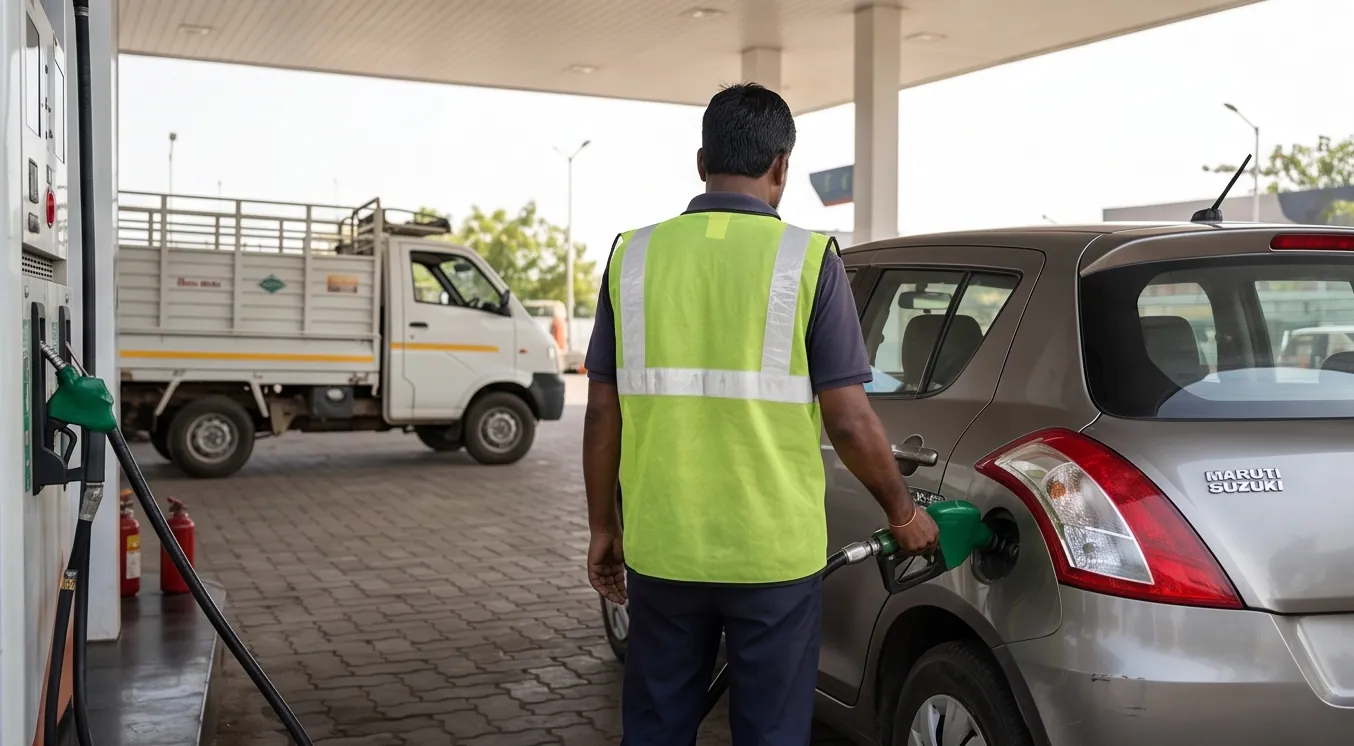
Normalization of LPG Supplies:
The Indian Ministry of Petroleum and Natural Gas has officially lifted sectoral restrictions on commercial Liquefied Petroleum Gas (LPG) supplies, which were previously mandated under the Essential Commodities Act. This policy reversal comes as the geopolitical situation in West Asia stabilizes and domestic LPG production remains steady at over 40 TMT per day. Restrictions for hotels, restaurants, and small businesses have returned to pre-crisis levels, while bulk LPG supply—previously subject to total suspension—has been eased by 50 percent.
Market Stabilization Drivers:
The easing of these energy restrictions coincides with a retreat in global crude oil prices, which have reached four-month lows. Brent crude futures have fallen to $75.07 per barrel, while US West Texas Intermediate has declined to $71.79 per barrel. This downturn is directly tied to the normalization of tanker traffic through the Strait of Hormuz, the vital corridor responsible for one-fifth of global fuel transit. Although minor maritime incidents occurred near the Omani coast, the overall resumption of regular shipping flows has successfully mitigated fears of acute supply-side disruptions.
Future Energy Policy:
Despite the restoration of LPG, the government remains committed to its long-term energy resilience goal of transitioning commercial entities toward Piped Natural Gas (PNG). State governments have been instructed to facilitate this infrastructure shift, which aims to modernize energy distribution and insulate the economy from future price shocks. For India, a net energy importer, these developments provide a vital buffer for the national trade deficit, helping to alleviate inflationary pressure on the domestic hospitality and manufacturing sectors by stabilizing essential fuel input costs.
Pulse Intelligence
AI AnalysisContext & Background
- The West Asia crisis and subsequent conflict between Iran, the US, and Israel in February 2026 led to the shutdown of the Strait of Hormuz and critical fuel supply shortages.
- The government had invoked the Essential Commodities Act to prioritize domestic LPG availability by restricting industrial petrochemical and commercial usage.
- India's long-term infrastructure strategy involves actively moving commercial and bulk users away from cylinder-based LPG to a Piped Natural Gas network.
Key Consequences
- The hospitality and small business sectors will see immediate relief in operational costs as fuel availability returns to normal levels.
- The Indian government will accelerate the transition to Piped Natural Gas, further reducing the reliance on traditional LPG cylinders for commercial entities.
- Lower energy import costs will provide a positive tailwind for national oil marketing companies and help the government manage the fiscal deficit.
Market & Economic Impact
Restored fuel supplies and lower global crude prices provide a significant positive outlook for Indian hospitality and industrial sector margins.