
July 14, 2026 at 01:06 AM 2 min readhealthanalysis
Clopidogrel-Induced Hypersensitivity Linked to Progressive Skin Rash
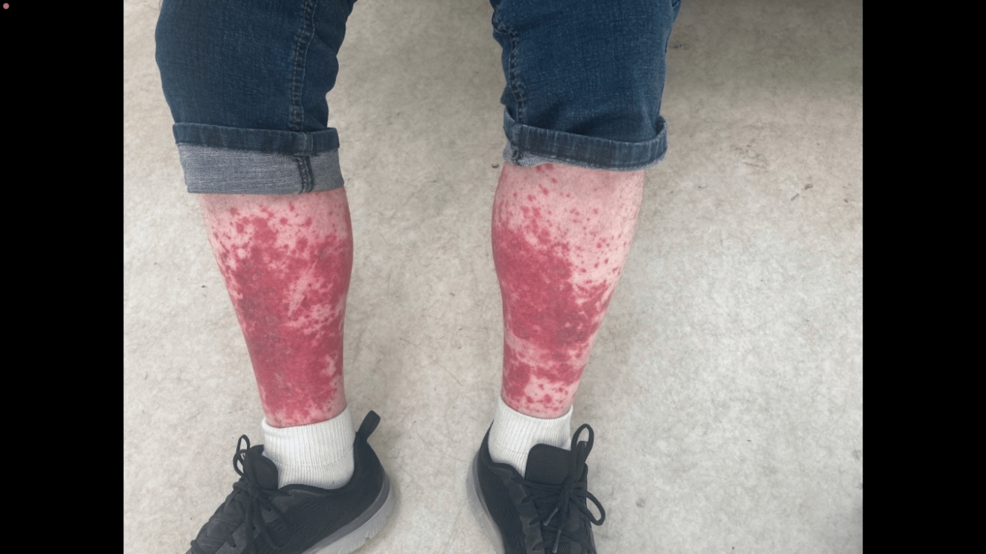
Clinical Case Report:
A recent medical case report details a patient developing Clopidogrel-induced hypersensitivity syndrome, which manifests primarily as a progressive skin rash. Clopidogrel, a widely prescribed antiplatelet medication used to prevent blood clots in cardiovascular patients, is generally well-tolerated. However, this finding underscores the potential for rare but significant adverse dermatological reactions that clinicians must monitor, particularly when symptoms escalate during therapy.
Pathophysiology and Symptoms:
The syndrome is an immune-mediated response where the body reacts adversely to the medication's chemical composition. Patients typically present with a persistent or worsening rash, necessitating immediate evaluation to differentiate drug-induced hypersensitivity from other dermatological conditions. The identification of this syndrome is critical because it forces a reassessment of long-term antiplatelet regimens for patients who exhibit such skin manifestations.
Medical Guidance:
Dermatologists and cardiologists are advised to maintain vigilance regarding cutaneous drug reactions during extended drug administration. When a patient exhibits a progressive rash, clinicians may consider discontinuing the medication under medical supervision to confirm the trigger and explore safe therapeutic alternatives. This case study contributes to the growing body of literature aimed at improving medication safety and patient outcomes in cardiovascular care across India's clinical settings.
Pulse Intelligence
AI AnalysisContext & Background
- Clopidogrel is standard medication for patients managing heart disease and post-stroke recovery.
- Adverse drug reactions are documented as a frequent cause for sudden hospital readmission.
Key Consequences
- Increased clinical scrutiny of dermatological symptoms in patients on antiplatelet therapy.
- Development of clearer medical protocols for identifying and managing drug-induced hypersensitivity.
Market & Economic Impact
No direct market impact.